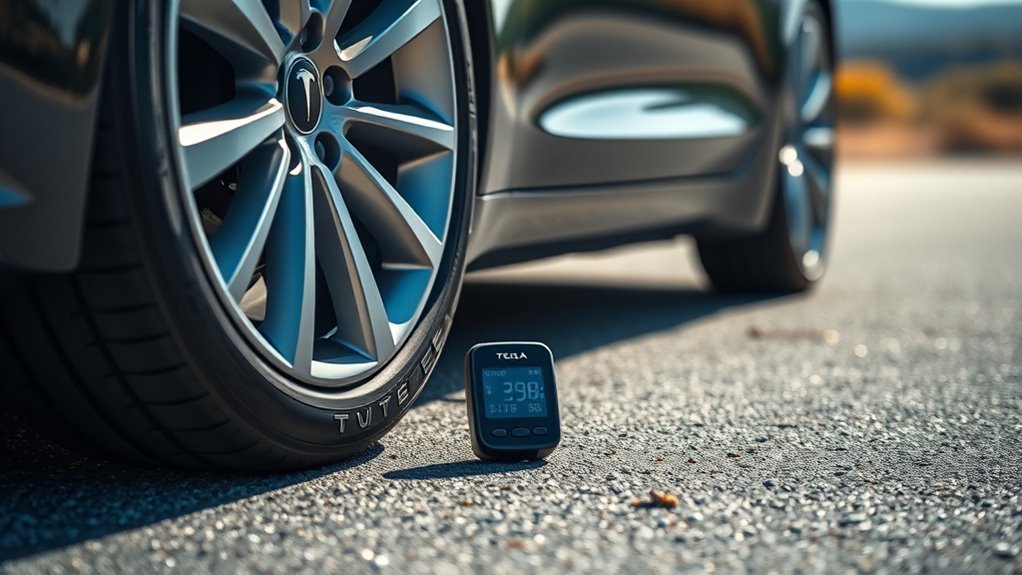
Your Tesla Model 3 needs the correct tire pressure for safe handling, efficient driving, and even tire wear. The right pressure depends on your vehicle’s configuration and fitted tires, so a general PSI recommendation is not reliable. This guide explains where to find the correct pressure, how to check and adjust it, and how to choose compatible tire pressure monitoring system (TPMS) replacement sensors.
Quick Answer
The correct Tesla Model 3 tire pressure is the cold inflation pressure printed on your vehicle’s Tire and Loading Information label, located on the driver’s door pillar. Some Model 3 configurations specify 42 PSI, but requirements vary by tire and vehicle configuration. Check the label and measure pressure when the tires are cold.
Key Takeaways
- Use the recommended cold tire pressure on your Model 3’s door-pillar label, not a universal PSI range.
- Check all four tires at least once a month and before long trips.
- Cold temperatures can reduce tire pressure by approximately 1 PSI for every 10°F drop.
- Direct and indirect TPMS configurations work differently. Identify your vehicle’s system before purchasing replacement sensors.
- Match replacement sensors to your vehicle’s original equipment, communication technology, and wheel specifications.
- TPMS helps identify pressure problems, but it does not replace regular manual pressure checks or tire inspections.
What Is the Correct Tesla Model 3 Tire Pressure?
The correct tire pressure is the value Tesla specifies for your particular vehicle and tire configuration.
According to the Tesla Model 3 Owner’s Manual, you should maintain the pressures printed on the Tire and Loading Information label, even when those values differ from the pressure printed on the tire sidewall.
The label is located on the driver’s center door pillar and is visible when you open the driver’s door.
Tesla Model 3 Tire Pressure Examples
Some Tesla Model 3 configurations specify approximately 42 PSI (290 kPa) when cold. However, that number should not replace the information on your own vehicle.
Tesla’s documentation for different model generations and wheel configurations directs owners to the vehicle’s individual label. The latest specifications also show differences in available factory tire sizes and configurations.
Consult the current Tesla Model 3 wheel and tire specifications or the 2017–2023 Model 3 specifications for the appropriate generation.
Warning: Do not inflate your tires to the maximum pressure printed on their sidewalls unless that is also the appropriate vehicle-specified pressure. The sidewall maximum is not the normal operating-pressure recommendation.
How to Check and Adjust Tesla Model 3 Tire Pressure
You can check tire pressure at home using an accurate tire pressure gauge and an appropriate air compressor.
At a Glance
| Time Required | Approximately 10–15 minutes, excluding the time needed for the tires to cool. |
| Difficulty | Beginner |
| Tools Needed | Accurate tire pressure gauge and an air compressor if inflation is needed. |
| Cost | Free with existing tools; otherwise, the cost of a gauge or access to an air compressor. |
Step-by-Step Pressure Check
- Park and allow the tires to cool. Tesla recommends checking pressure after the vehicle has been stationary for more than three hours.
- Read the door-pillar label. Identify the recommended cold inflation pressure for your vehicle’s tires.
- Remove the valve cap. Keep it somewhere clean while checking the tire.
- Measure the pressure. Firmly press an accurate tire pressure gauge onto the valve stem.
- Add or release air. Inflate the tire if the measured pressure is too low. If necessary, release a small amount of air by pressing the valve’s center pin.
- Measure again. Repeat until the cold pressure matches the vehicle’s recommendation.
- Reinstall the valve cap. Check the valve for visible damage or signs of leakage.
- Repeat for the remaining tires. Check all four rather than assuming their pressures are identical.
- Check the TPMS display. Direct TPMS readings may update after a short drive. Follow the calibration procedure if your vehicle uses indirect TPMS.
These steps follow Tesla’s official checking and adjusting tire pressures procedure.
Pro Tip: Check tire pressure before your first drive of the day. This makes it easier to obtain a cold reading and compare it with the vehicle’s specified pressure.
Cold Tire Pressure vs. Warm Tire Pressure
Tire pressure normally increases as the tires warm during driving or while parked in direct sunlight.
Do not release air from warm tires simply to match the recommended cold pressure. Doing so can leave them underinflated once they cool.
If you must make an adjustment while the tires are warm, follow Tesla’s instructions and check the pressure again when the tires are cold.
Our Top Tire Pressure Sensor Picks for Tesla Model 3
If your Tesla Model 3 has a faulty direct TPMS sensor, the following replacement options are worth comparing. They include radio-frequency sensors, Bluetooth sensors, individual replacements, and multi-sensor packages.
These are product-listing comparisons, not independently tested performance rankings. Seller specifications, supported model years, package quantities, prices, and warranties should be checked against your vehicle’s original equipment before purchasing.
Affiliate disclosure: This article contains Amazon affiliate links. We may earn a commission from qualifying purchases at no additional cost to you.
Compatibility warning: A sensor advertised for Tesla vehicles is not automatically compatible with every Model 3. Check whether your vehicle uses direct or indirect TPMS. If it uses direct TPMS, confirm the required communication technology, OE part number, and wheel fitment before ordering.
| Tesla Model 3 TPMS Tire Pressure Sensor | 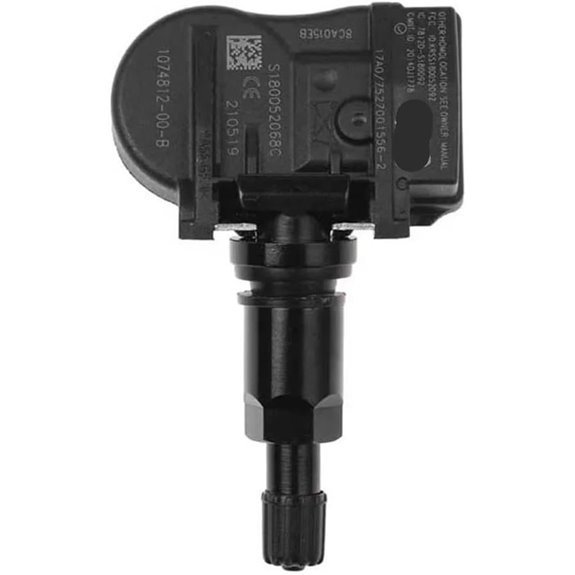 |
Replacement Option | Compatibility: Advertised for Model 3 (2018–2024); verify configuration | Material: Metal and ABS plastic, seller-described | Installation: Professional tire-mounted installation recommended | VIEW LATEST PRICE | Read Our Analysis |
| Tesla TPMS Sensor for Model 3 S X (433MHz) | 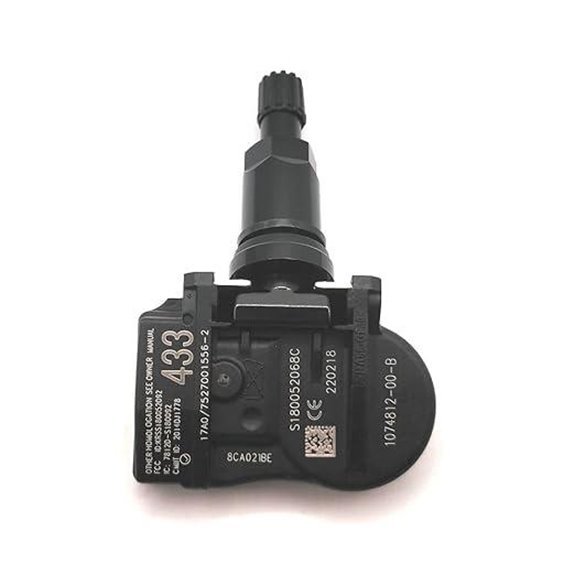 |
433 MHz Systems | Compatibility: Requires matching 433 MHz equipment and OE reference | Material: Verify seller specification | Installation: Tire service required | VIEW LATEST PRICE | Read Our Analysis |
| Bluetooth TPMS Sensor for Tesla Models 3 Y S X | 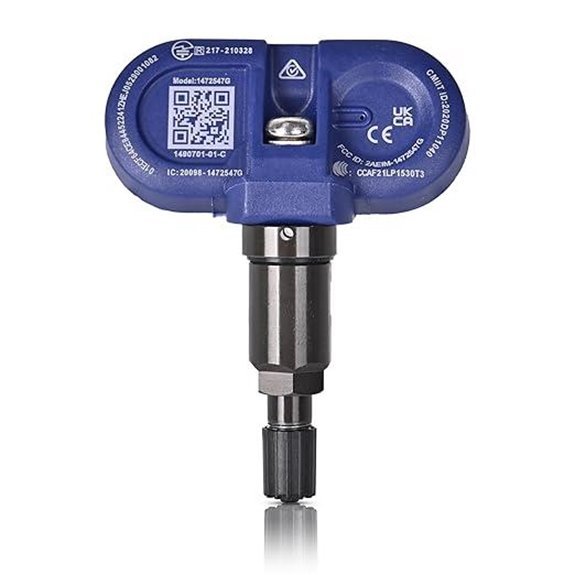 |
Bluetooth Enabled | Compatibility: Advertised for selected 2021–2023 Tesla configurations | Material: Alloy steel and stainless steel, seller-described | Installation: Professional installation recommended | VIEW LATEST PRICE | Read Our Analysis |
| Tesla Tire Pressure Sensor for Model 3 S X | 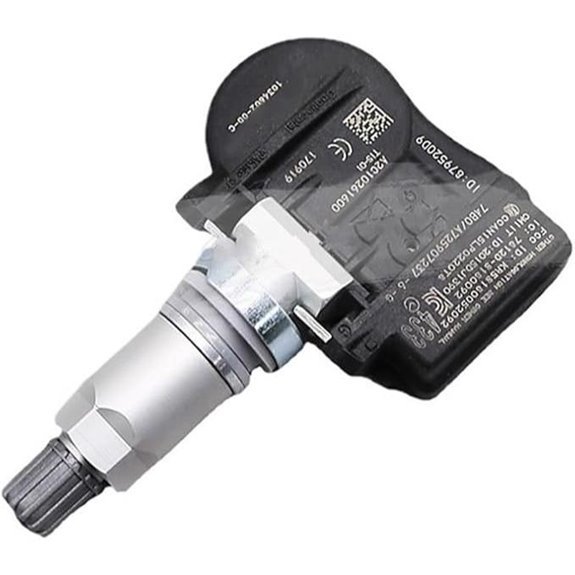 |
Pressure Monitoring | Compatibility: Verify OE reference and radio protocol | Material: ABS and metal, seller-described | Installation: Tire service required | VIEW LATEST PRICE | Read Our Analysis |
| Tesla Tire Pressure Sensor for Model 3 S X — 4-Piece Listing | |
Complete Set | Compatibility: Verify all four sensors against original equipment | Material: Plastic and metal, seller-described | Installation: Professional installation recommended | VIEW LATEST PRICE | Read Our Analysis |
| Car Tire Pressure Sensor for Tesla (4PCS) | 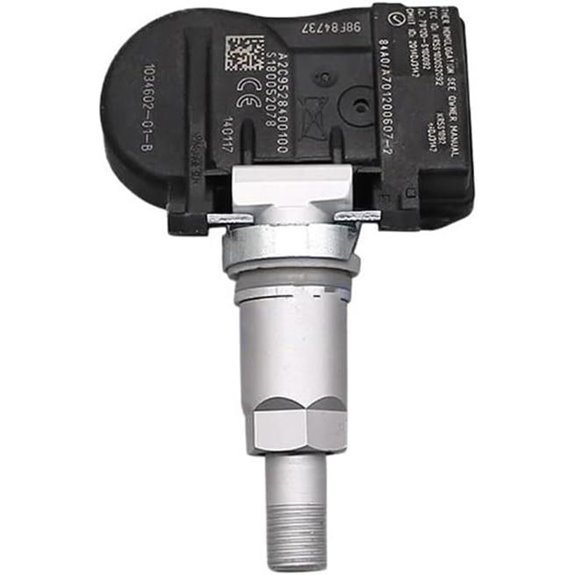 |
Four-Sensor Package | Compatibility: Advertised for selected 2017–2020 Tesla configurations | Material: Plastic and metal, seller-described | Installation: Tire service required | VIEW LATEST PRICE | Read Our Analysis |
| Car TPMS Tire Pressure Sensors for Tesla Model 3 | 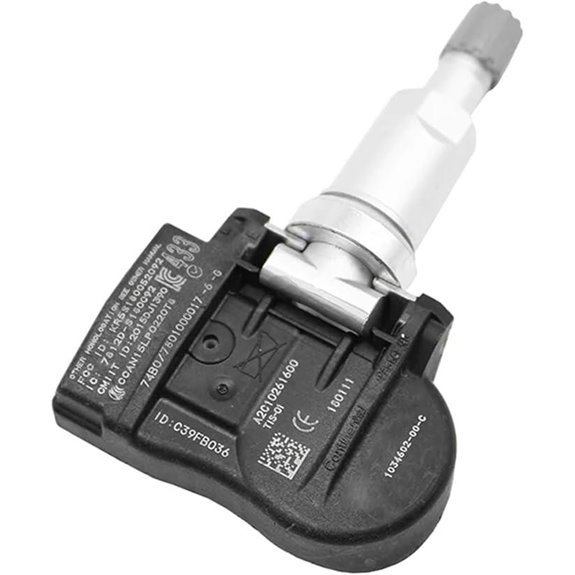 |
Single Replacement | Compatibility: Advertised for selected 2018–2020 Model 3 vehicles | Material: Plastic, seller-described | Installation: Tire-mounted installation | VIEW LATEST PRICE | Read Our Analysis |
| Car Tire Pressure Sensor for Tesla Models | 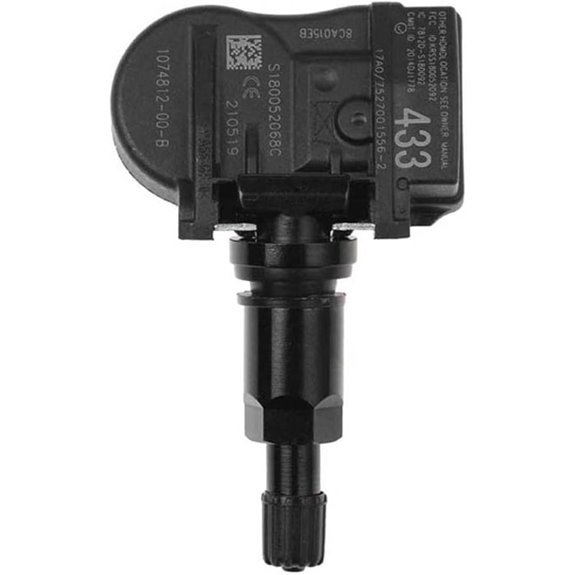 |
Replacement Sensor | Compatibility: Verify Model 3 configuration and OE reference | Material: ABS and metal, seller-described | Installation: Professional installation recommended | VIEW LATEST PRICE | Read Our Analysis |
| Tesla BLE Bluetooth TPMS Tire Pressure Sensor System | 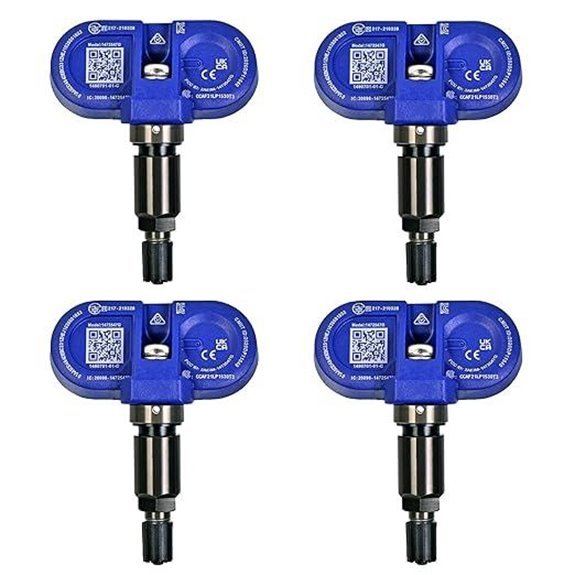 |
Bluetooth Technology | Compatibility: Advertised for selected 2021–2023 vehicles | Material: Plastic, seller-described | Installation: Professional installation recommended | VIEW LATEST PRICE | Read Our Analysis |
| MORESENSOR Bluetooth Tire Pressure Monitoring Sensor for Tesla | 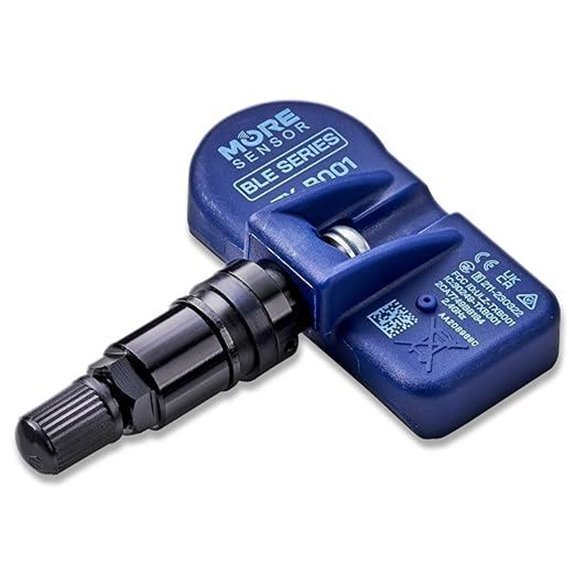 |
Warranty-Advertised Option | Compatibility: Advertised for selected 2020–2024 Tesla configurations | Material: Plastic and metal, seller-described | Installation: Professional installation recommended | VIEW LATEST PRICE | Read Our Analysis |
More Details on Our Top Picks
-
Tesla Model 3 TPMS Tire Pressure Sensor
This Tesla Model 3 TPMS tire pressure sensor is advertised as a replacement for selected vehicles from 2018 through 2024. Its seller-described metal and ABS construction is intended to resist corrosion and support regular use.
The sensor is designed to supply pressure information to a compatible direct TPMS system. However, the stated model-year range crosses different vehicle configurations. Confirm your original sensor’s part number and communication technology before ordering.
Physical installation requires access to the inside of the wheel. A tire technician should install the sensor, inspect the valve seal, and rebalance the assembly.
- Compatibility: Advertised for Model 3 (2018–2024); confirm exact fitment
- Material: Metal and ABS plastic, seller-described
- Installation: Professional tire-mounted installation recommended
- Real-Time Monitoring: Available when compatible with the vehicle’s direct TPMS
- Battery Requirement: Confirm internal battery specification
- Warranty: Check current listing terms
- Additional Feature: Seller-described durable construction
- Additional Feature: Corrosion-resistant materials advertised
- Additional Feature: OE number compatibility must be confirmed
-
Tesla TPMS Sensor for Model 3 S X (433MHz)
This 433 MHz TPMS sensor is associated with the replacement reference 1074812-00-B. The listing describes a compact unit weighing approximately 50 grams and measuring 5.08 × 1.78 × 5.08 cm.
Its original compatibility description includes Tesla Model S and Model X vehicles from 2012–2016. That year range cannot describe Model 3 compatibility. Model 3 fitment must be confirmed separately against the vehicle’s original sensor and equipment.
The 433 MHz operating frequency is especially important. A radio-frequency sensor cannot be assumed to work in a vehicle configured for Bluetooth TPMS.
Although the listing describes the product as requiring no separate batteries, powered direct TPMS sensors use internal batteries. The electronic unit and tire-mounted valve assembly should be inspected during professional installation.
- Compatibility: Confirm the vehicle’s original 433 MHz sensor and OE number
- Material: Check manufacturer specification
- Installation: Professional tire service recommended
- Real-Time Monitoring: Supported by compatible direct TPMS equipment
- Battery Requirement: Internal battery; no separate consumer-installed battery advertised
- Warranty: Not independently confirmed
- Additional Feature: Advertised weight of 50 g
- Additional Feature: OE reference 1074812-00-B
- Additional Feature: 433 MHz frequency operation
-
Bluetooth TPMS Sensor for Tesla Models 3 Y S X
This Bluetooth TPMS sensor is advertised for selected Tesla Model 3, Y, S, and X vehicles from 2021 through 2023. The listing describes corrosion-resistant materials and a smart chip for tire-pressure monitoring.
For compatible vehicles, Bluetooth sensors communicate pressure information to the car’s monitoring system. Electronic recognition may occur automatically, but that does not eliminate the need for proper physical installation.
The listing advertises a lifespan of approximately three to four years under normal use, a one-year warranty, and customer support. Treat these as seller claims and check the current terms before purchasing.
Confirm the vehicle’s existing Bluetooth configuration and matching replacement reference before selecting this sensor.
- Compatibility: Advertised for selected 2021–2023 Model 3, Y, S, and X vehicles
- Material: Alloy steel and stainless steel, seller-described
- Installation: Professional tire-mounted installation recommended
- Real-Time Monitoring: Supported on compatible direct TPMS systems
- Battery Requirement: Internal sensor battery; confirm specification
- Warranty: One year advertised by seller
- Additional Feature: Smart chip technology advertised
- Additional Feature: Seller-described temperature resistance
- Additional Feature: Advertised three-to-four-year lifespan
-
Tesla Tire Pressure Sensor for Model 3 S X
This replacement tire pressure sensor is marketed for Tesla Model 3, S, and X vehicles. The listing references part numbers 1034602-00-C and 1074812-00-B and describes ABS and metal construction.
The advertised monitoring functions include tire pressure and temperature data. Whether those functions appear on your vehicle depends on the sensor and vehicle configuration.
The listed part numbers must not be treated as proof that the product fits every Tesla model or production year. Confirm the original OE reference and communication method before ordering.
The listing also describes customer support and a 30-day return arrangement. Return eligibility is different from a manufacturer warranty, and current conditions should be checked on the product page.
- Compatibility: Model 3, S, and X as advertised; exact fitment unconfirmed
- Material: ABS and metal, seller-described
- Installation: Professional installation recommended
- Real-Time Monitoring: Advertised pressure and temperature reporting
- Battery Requirement: Confirm internal battery specification
- Warranty: Check seller terms; return policy is not a warranty
- Additional Feature: Pressure-data transmission
- Additional Feature: Temperature monitoring advertised
- Additional Feature: References 1034602-00-C and 1074812-00-B
-
Tesla Tire Pressure Sensor for Model 3 S X — 4-Piece Set
This listing advertises a set of four TPMS sensors for selected Tesla Model 3, S, and X vehicles. Its description references replacement numbers 1034602-00-C and 1074812-00-B.
A complete set can be useful when replacing sensors in all four wheels, particularly if several existing sensors are approaching the end of their service life.
The sensors are intended to report pressure information to a compatible direct TPMS system. They do not prevent tire punctures, stop air leaks, or independently improve suspension performance.
The listing describes durable construction and several years of internal battery life. Confirm the package quantity, battery specification, vehicle compatibility, and return conditions before purchase.
- Compatibility: Verify Model 3, S, or X configuration and OE reference
- Material: Plastic and metal, seller-described
- Installation: Professional tire installation and balancing recommended
- Real-Time Monitoring: Available with compatible direct TPMS
- Battery Requirement: Internal battery; advertised multi-year service life
- Warranty: Check current manufacturer warranty and retailer returns separately
- Additional Feature: Four sensors advertised
- Additional Feature: Pressure monitoring can help identify air loss
- Additional Feature: Direct replacement requires verified fitment
-
Car Tire Pressure Sensor for Tesla (4PCS)
This four-piece TPMS package is advertised for selected Tesla vehicles from 2017 through 2020, including Model 3 applications.
The seller describes corrosion-resistant plastic and metal construction and a direct replacement design that does not require cutting or drilling the vehicle.
That does not mean installation can be completed without tire-service equipment. The tire must be serviced to install an internal sensor, and the wheel should be checked and balanced afterward.
When compatible with the vehicle, the sensors can provide pressure information that may help identify underinflation and uneven tire wear. Proper inflation—not the presence of the sensor alone—supports efficient driving and appropriate tire performance.
- Compatibility: Advertised for selected 2017–2020 Tesla configurations
- Material: Plastic and metal, seller-described
- Installation: Tire service required
- Real-Time Monitoring: Available with compatible direct TPMS
- Battery Requirement: Confirm internal battery details
- Warranty: Not independently confirmed
- Additional Feature: Direct replacement design advertised
- Additional Feature: Pressure alerts depend on vehicle compatibility
- Additional Feature: Four-piece package advertised
-
Car TPMS Tire Pressure Sensors for Tesla Model 3
This replacement TPMS sensor is advertised for selected Tesla Model 3 vehicles from 2018 through 2020. The original listing identifies Niromtoe and references the replacement number 1034602-00-A.
Its single-piece format may suit an owner replacing one faulty sensor rather than purchasing an entire set.
Check the original sensor reference before ordering. The replacement must match the vehicle’s installed TPMS equipment, and professional mounting is recommended.
The listing originally identified a June 11, 2025 availability date and a 30-day return arrangement. These details do not establish present availability or manufacturer warranty coverage.
- Compatibility: Advertised for selected Model 3 vehicles (2018–2020)
- Material: Plastic, seller-described
- Installation: Tire-mounted replacement; electronic setup depends on configuration
- Real-Time Monitoring: Supported when the sensor is compatible
- Battery Requirement: Confirm internal battery specification
- Warranty: Check current seller and manufacturer terms
- Additional Feature: Generic replacement listing
- Additional Feature: Single-piece design advertised
- Additional Feature: OE reference 1034602-00-A
-
Car Tire Pressure Sensor for Tesla Models
This tire pressure sensor is advertised for selected Tesla Model 3, S, and X vehicles. The seller describes ABS and metal construction, pressure monitoring, temperature reporting, and pre-programmed operation.
Pre-programming may simplify electronic recognition on a compatible vehicle, but it does not establish universal compatibility or eliminate the need for physical installation.
Before purchasing, verify the OE number, communication technology, sensor frequency where applicable, valve fitment, and package quantity.
Customer support and return arrangements may be available through the listing. Check the current terms rather than assuming they provide a long-term product warranty.
- Compatibility: Verify exact Tesla Model 3, S, or X application
- Material: ABS and metal, seller-described
- Installation: Professional tire installation recommended
- Real-Time Monitoring: Pressure and temperature reporting advertised
- Battery Requirement: Confirm internal battery specification
- Warranty: Check current manufacturer terms
- Additional Feature: Temperature tracking advertised
- Additional Feature: Pre-programmed operation advertised
- Additional Feature: Multi-model compatibility requires verification
-
Tesla BLE Bluetooth TPMS Tire Pressure Sensor System
This BLE Bluetooth TPMS listing is advertised for selected 2021–2023 Tesla Model 3, Y, S, and X vehicles. The product description references Bluetooth Low Energy communication and replacement numbers in the 1490701 series.
Depending on the listing variation, the product may be offered as an individual sensor or a multi-sensor package. Confirm the selected quantity before ordering.
The seller advertises automatic electronic connection, pressure measurement accuracy within approximately ±1.5 PSI, and battery life of up to five years. These are advertised specifications rather than independent test results.
For compatible vehicles, electronic recognition may occur after installation and driving. However, Tesla’s BLE retrofit documentation confirms that changing a vehicle from another TPMS configuration can require additional vehicle-configuration work.
Keep removed sensors away from the vehicle during the recognition process if instructed by the product manufacturer, and confirm that all installed sensors report correctly.
- Compatibility: Advertised for selected 2021–2023 Tesla vehicles
- Material: Plastic, seller-described
- Installation: Professional tire installation recommended
- Real-Time Monitoring: Bluetooth direct TPMS
- Battery Requirement: Internal battery; up to five years advertised
- Warranty: Check current seller terms
- Additional Feature: Bluetooth Low Energy technology
- Additional Feature: Advertised accuracy of ±1.5 PSI
- Additional Feature: Automatic recognition advertised for compatible vehicles
-
MORESENSOR Bluetooth Tire Pressure Monitoring Sensor for Tesla
The MORESENSOR Bluetooth tire pressure monitoring sensor is advertised for selected Tesla Model 3, Y, S, and X configurations from 2020 through 2024.
Its listing describes an adjustable mounting angle, an internal lithium battery, and automatic recognition by compatible vehicles.
The advertised measurement range extends to 130 PSI, with an operating temperature range of -40°C to +105°C. These are sensor specifications, not recommended tire inflation pressures.
The seller also advertises a three-year limited warranty. Confirm its current coverage, exclusions, and eligibility before purchase.
Because the advertised model-year range covers multiple vehicle configurations, check your existing TPMS system and original replacement reference before ordering.
- Compatibility: Advertised for selected 2020–2024 Tesla configurations
- Material: Plastic and metal, seller-described
- Installation: Professional installation recommended
- Real-Time Monitoring: Bluetooth direct TPMS
- Battery Requirement: Internal lithium battery advertised
- Warranty: Three-year limited warranty advertised; verify terms
- Additional Feature: Adjustable mounting angle
- Additional Feature: Advertised pressure measurement range up to 130 PSI
- Additional Feature: Direct replacement compatibility requires OE verification
Factors to Consider When Choosing Tire Pressure for Tesla Model 3
Your Tesla Model 3’s specified cold tire pressure is the starting point. Tire type, vehicle load, temperature, and monitoring technology affect how you maintain that pressure and identify potential problems.
Recommended Tire Pressure
The most reliable tire-pressure reference is the vehicle’s Tire and Loading Information label.
On vehicles with direct TPMS, the touchscreen can also display the recommended cold pressure alongside the current readings.
Overinflated and underinflated tires can affect handling, braking, ride comfort, and tire wear. Underinflation also increases rolling resistance, which can reduce your Tesla’s driving range.
Do not substitute a generic internet recommendation for Tesla’s vehicle-specific specification.
Tire Type Considerations
Your Model 3’s tire type and size matter, particularly if you have changed the original wheels or installed aftermarket tires.
Performance, all-season, and winter tires may have different construction characteristics, but you should not automatically increase pressure simply because a tire is labeled as a performance tire.
Use Tesla’s specification for the approved tire configuration. If you install a different tire size or specification, obtain the correct inflation recommendation for that setup.
Replacement tires should also meet the appropriate load and speed ratings.
Load Capacity Impact
Passengers and cargo add weight to your Model 3. Proper tire pressure helps the tires support the vehicle’s load and maintain predictable handling.
Check the vehicle’s load limits and recommended pressure before a heavily loaded trip.
Do not independently raise the pressure beyond the vehicle manufacturer’s instructions simply because you are carrying extra cargo.
Overloading the vehicle can affect braking and handling even when tire pressure is correct.
Temperature Effects
Temperature changes can significantly affect tire pressure.
Tesla states that tire pressure may fall approximately 1 PSI for every 10°F (6°C) drop in outside temperature.
A 30°F temperature drop can reduce cold tire pressure by approximately 3 PSI.
This is an approximation rather than a substitute for an actual pressure measurement.
During colder months, check the tires regularly and add air when needed to restore the recommended cold pressure.
In warmer weather, remember that driving and sunlight increase tire temperature. Do not release air from warm tires merely because the displayed pressure exceeds the cold specification.
Monitoring Technology Options
Modern Tesla Model 3 configurations can use direct or indirect tire pressure monitoring.
Direct TPMS uses sensors installed in the wheels to measure tire pressure. Compatible systems can display individual tire readings.
Indirect TPMS estimates pressure loss using vehicle data rather than individual wheel-pressure sensors. It warns about detected underinflation but does not provide the same direct measurement information.
To identify your system, open Controls > Service. If the vehicle visualization shows individual numerical tire pressure readings, your Model 3 uses direct TPMS.
On supported direct systems, pressure information may also be available through the Tesla mobile app.
Sensor accuracy, temperature tolerance, communication type, battery life, and wheel compatibility matter when selecting a direct TPMS replacement.
Direct vs. Indirect TPMS: What Model 3 Owners Need to Know
This distinction is essential before buying any replacement sensor.
Vehicles With Direct TPMS
Direct TPMS uses individual wheel-mounted sensors. Depending on the vehicle configuration, these communicate through a compatible radio-frequency or Bluetooth system.
If a sensor fails, replacing it with a matching unit may restore the missing pressure reading.
After wheel replacement, compatible sensors can relearn automatically during driving. Tesla documents automatic relearning on applicable vehicles when driven above approximately 15 mph (25 km/h).
A replacement sensor may also require Tesla service setup if it does not operate correctly.
Vehicles With Indirect TPMS
Indirect TPMS does not rely on individual wheel-mounted pressure sensors.
After adjusting pressure or changing, repairing, or rotating the tires, manual calibration is required on applicable configurations.
First, ensure all four tires are inflated to the recommended cold pressure.
Then navigate to Controls > Service > Tire Pressure > Calibrate Tire Pressure, where supported by your vehicle’s software.
Follow the on-screen instructions and drive as directed to establish the new baseline.
Note: Do not purchase replacement wheel-pressure sensors for an indirect TPMS problem unless a qualified technician has confirmed that your particular vehicle requires them.
How to Choose Compatible Tesla Model 3 TPMS Sensors
A successful replacement depends on more than the model name printed on a product listing.
Check the Original Sensor Part Number
Ask Tesla Service or a qualified tire technician to identify the original sensor and its replacement reference.
Compare this with the product listing. Similar-looking sensors may use different communication systems or electronic configurations.
Confirm Radio Frequency or Bluetooth Compatibility
A sensor designed for a 433 MHz radio-based system should not be assumed to work with a vehicle configured for Bluetooth TPMS.
Similarly, purchasing a Bluetooth sensor does not automatically convert an older radio-based vehicle to Bluetooth operation.
Tesla’s BLE TPMS retrofit instructions include sensor installation, vehicle-configuration work, and a verification drive.
Check Package Quantity and Installation Requirements
Some listings describe one sensor, while others advertise sets of four.
Confirm the selected product variation before checkout.
Also check whether suitable valve components and seals are included or must be supplied separately.
A qualified tire technician should install internal TPMS sensors, verify the valve seal, and rebalance the wheel.
Check Battery Life and Warranty
Direct TPMS sensors contain internal batteries. Their service life varies by product and operating conditions.
Some sellers advertise several years of battery life, but that is not a guaranteed replacement interval.
Review the warranty separately from the retailer’s return policy. A short return window does not establish long-term manufacturer coverage.
Troubleshooting Tesla Model 3 Tire Pressure Warnings
If your Model 3 reports a tire-pressure problem, start with the actual tire condition rather than assuming the electronic sensor is defective.
Low Tire Pressure Warning
Safely stop and check the affected tire with an accurate gauge.
Inspect for visible damage, punctures, or an obvious air leak. Inflate the tire to the vehicle’s recommended cold pressure when it is safe to do so.
If the pressure drops again, have the tire and valve inspected for leakage.
Warning Remains After Inflation
Some direct TPMS systems need a short drive before the updated pressure appears and the warning clears.
Check all four tire pressures, not only the tire originally identified by the warning.
If your vehicle uses indirect TPMS, follow the correct calibration procedure after setting the cold pressures.
TPMS Malfunction Warning
Tesla explains that a TPMS fault can cause the warning indicator to flash for approximately one minute and then remain illuminated.
Possible causes include sensor failure, incompatible replacement equipment, or a system setup problem.
If the warning persists, arrange a service inspection rather than repeatedly resetting the system without identifying the fault.
A Tire Repeatedly Loses Pressure
Repeated pressure loss may indicate a puncture, damaged valve, leaking bead seal, or another tire or wheel problem.
A sensor does not repair these problems.
If the tire is visibly damaged, rapidly deflating, or unable to maintain safe pressure, stop driving and arrange appropriate tire service.
Warning: Do not continue driving on a visibly flat, damaged, or rapidly deflating tire. Underinflation can cause overheating and tire failure. TPMS warnings are a safety aid, not a guarantee against punctures or blowouts.
Frequently Asked Questions
What Is the Ideal Tire Pressure for the Tesla Model 3?
Use the recommended cold pressure printed on your vehicle’s Tire and Loading Information label. Some Model 3 configurations specify 42 PSI, but the correct value depends on the vehicle and fitted tires. Do not rely on a universal PSI range.
How Often Should I Check My Tesla Model 3 Tire Pressure?
Check all four tires at least once a month when cold. Also check before long trips, after major temperature changes, and whenever a pressure warning appears.
Can Tire Pressure Affect My Tesla’s Range?
Yes. Underinflated tires increase rolling resistance, which can increase energy consumption and reduce driving range. Maintaining the specified pressure also supports proper handling and tire wear.
What Happens if I Overinflate My Tesla Model 3 Tires?
Overinflation can affect ride comfort, traction, and tire wear. Use the vehicle’s recommended cold pressure and avoid inflating to the sidewall maximum as a general practice.
Are There Seasonal Adjustments for Tesla Model 3 Tire Pressure?
Temperature changes affect tire pressure. Cold weather can lower it by approximately 1 PSI for every 10°F drop. Check the pressure when the tires are cold and restore the recommended value as needed.
Can I Use a 433 MHz Sensor in a Bluetooth Model 3?
Do not assume the two sensor types are interchangeable. Match the replacement sensor to your vehicle’s original communication system and OE reference. Changing systems may require additional vehicle-configuration work.
Do Tesla TPMS Sensors Need Batteries?
Powered direct TPMS sensors use internal batteries. A product description stating that no separate battery is required usually does not mean the sensor operates without an internal power source.
Can I Install a Tesla Model 3 TPMS Sensor Myself?
Internal wheel-mounted sensors require tire-service equipment and correct sealing and balancing procedures. Professional installation is recommended. Automatic electronic recognition, where supported, does not eliminate physical installation requirements.
Conclusion
Maintaining the correct Tesla Model 3 tire pressure supports safe handling, tire longevity, and efficient driving. Your vehicle’s door-pillar label provides the correct cold inflation pressure, so use that specification rather than a generic recommendation.
Check your tires monthly, account for seasonal temperature changes, and investigate recurring pressure warnings promptly. If you need a replacement TPMS sensor, identify your vehicle’s monitoring system and confirm the original equipment reference before ordering.
With the correct pressure, compatible sensors, and regular tire inspections, you can keep your Model 3’s tire monitoring system working as intended.
Sources
- Tesla Model 3 Owner’s Manual — Tire Care and Maintenance — recommended pressure, direct and indirect TPMS, calibration, and tire safety.
- Tesla Model 3 Owner’s Manual — Wheels and Tires — factory tire specifications and pressure-label guidance.
- Tesla 2017–2023 Model 3 — Wheels and Tires — earlier-generation tire specifications.
- Tesla Service Manual — BLE TPMS Retrofit — sensor installation, vehicle configuration, and verification.
- National Highway Traffic Safety Administration — Tire Safety — cold-pressure checks, monthly inspections, and tire maintenance.





Leave a Reply