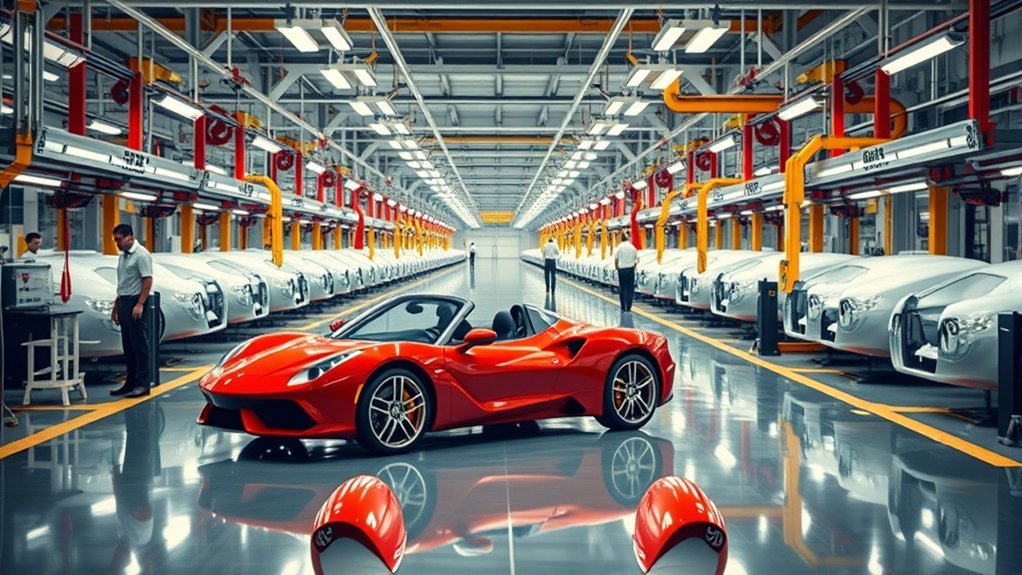
British car manufacturing builds some of the most desired vehicles on the planet. From hand-crafted luxury sedans to lightning-fast track cars, the United Kingdom produces vehicles that turn heads everywhere. Read on to discover the major brands, iconic models, and future trends shaping this vital industry.
Quick Answer
The UK automotive industry is a global leader in luxury, performance, and electric vehicle manufacturing. Major brands like Aston Martin, Bentley, and Jaguar Land Rover drive the market, while a growing shift toward electric vehicles is reshaping the future of British auto plants.
Key Takeaways
- Major UK car manufacturers include Aston Martin, Bentley, Jaguar Land Rover, McLaren, and Mini.
- Factories produce globally recognized models like the Aston Martin DBX, Bentley Continental GT, and Jaguar F-Pace.
- Recent data shows UK plants build over 900,000 passenger vehicles a year, generating more than £90 billion for the economy.
- New automakers like Riversimple and Arrival lead the charge in hydrogen fuel cell and electric vehicle development.
- The industry is rapidly shifting to electric vehicle production to meet government zero-emission goals by 2035.
How Large is the UK Automotive Industry?
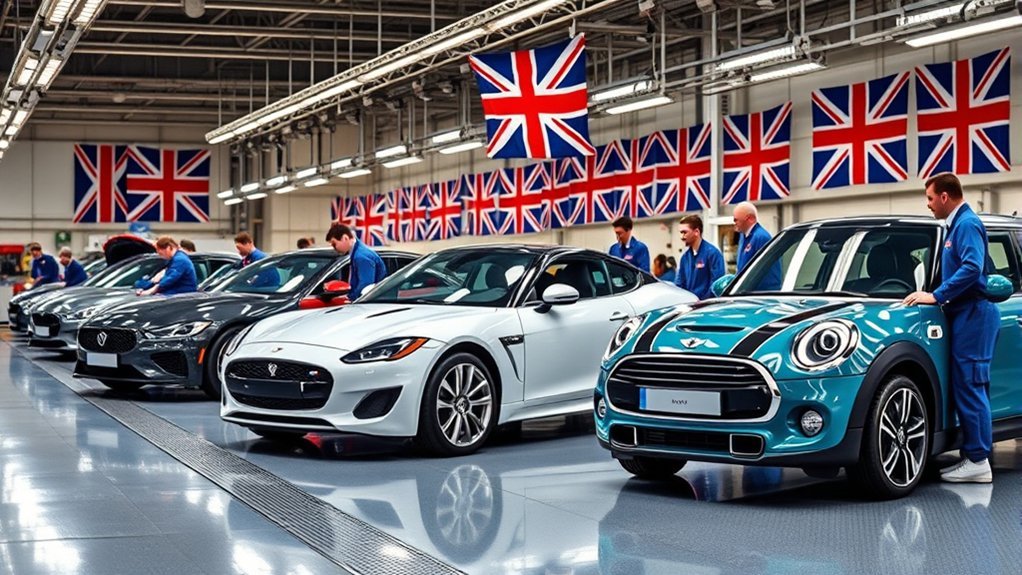
The UK automotive industry acts as a major pillar of the national economy. It highlights incredible innovation and deep manufacturing skill. According to the Society of Motor Manufacturers and Traders (SMMT), the sector produced over 900,000 passenger cars in 2023. Factories also built more than 120,000 commercial vehicles during the same year.
Brands like Jaguar Land Rover, Aston Martin, Bentley, and Rolls-Royce represent the top tier of British automaking. These companies focus heavily on high-end luxury and raw track performance. The entire sector generates over £90 billion in annual turnover. This massive financial footprint proves how much the UK relies on its car plants.
About 198,000 people work directly in vehicle and parts production across the country. Hundreds of thousands more work in supply chain logistics, retail showrooms, and local repair shops. Cars like the Mini Cooper and Jaguar F-Pace show the sheer variety and high quality of British-made vehicles today.
Leading UK Car Manufacturers to Know
People worldwide immediately picture iconic brands like Aston Martin and Bentley when they think of British cars. These companies built the country’s famous reputation for style, speed, and comfort. Today, the market features a healthy mix of old legends and bold new startups.
Every company brings something unique to the global market. Let us look at the top British car brands and the standout vehicles they build right now.
Major British Auto Brands
You will discover several iconic brands that perfectly capture the spirit of innovation when you explore British automaking. Here is a quick look at the top UK car manufacturers and their most famous current models:
| Brand | Notable Models |
|---|---|
| Aston Martin | DBX, DB12 |
| Bentley | Bentayga, Continental GT |
| Jaguar Land Rover | Range Rover, Discovery |
| McLaren | 750S, Artura |
| Mini | Mini Cooper Convertible |
These brands define the absolute peak of British mechanical engineering. They also maintain a rich heritage that thrills car fans all over the world. From Aston Martin’s sleek lines to McLaren’s track-ready speeds, each brand shapes the modern UK automotive identity.
High-Performance and Luxury Cars
The best UK car brands combine advanced engineering with beautiful aesthetic appeal. Aston Martin builds the DBX SUV and the stunning DB12 at its factory in Gaydon. These cars provide massive power alongside quiet, comfortable rides.
Bentley builds the Bentayga and Continental GT at its headquarters in Crewe. These models offer extreme luxury, using hand-stitched leather and premium wood trims. McLaren focuses on cutting-edge technology at its Woking facility. Models like the 750S and the Artura plug-in hybrid feature lightweight carbon fiber and blistering track speeds.
Rolls-Royce creates the Cullinan SUV using a massive 6.75-liter V12 engine to ensure a perfectly smooth ride. Jaguar keeps the British sports car spirit alive with the F-Pace and F-Type. Both cars deliver sharp handling and elegant road presence.
New and Emerging British Automakers
Established luxury brands do not control the entire UK automotive landscape. A vibrant group of newer manufacturers now pushes the limits of clean energy and custom design. These young companies want to make driving fun while protecting the environment.
Here are four notable emerging manufacturers changing the British car industry:
- Riversimple builds hydrogen fuel cell vehicles to promote zero-emission driving.
- Caterham designs lightweight sports cars that deliver pure driving excitement.
- Morgan pairs vintage styling with modern engines to create unique, hand-built vehicles.
- Arrival develops electric vans and buses to clean up heavy city traffic.
Why Are British Cars So Famous?
Car lovers respect British vehicles for their timeless design and exceptional engineering. Brands like Aston Martin and Jaguar push performance limits while holding onto their rich cultural roots. This unique blend of visual beauty, raw power, and historical legacy turns British cars into global icons.
Classic Design and Styling
Timeless design helps British cars stand out in a crowded market. Engineers balance classic elegance with modern functionality. Consider these key design elements:
- Classic Styling Cues: Cars like the Aston Martin DB5 use smooth, flowing body lines that shout luxury.
- Handcrafted Detail: Rolls-Royce workers spend hundreds of hours hand-stitching seats and polishing wood trims.
- Cultural Impact: The original Mini changed how companies design small city cars across the globe.
- Agile Shapes: British sports cars from Lotus use compact, aerodynamic designs to slice through the air.
Advanced Engineering and Performance
British factories consistently deliver forward-thinking automotive technology. Brands like Aston Martin and Bentley hire top engineers to build massive, reliable engines. Recent SMMT data shows British plants built over 900,000 vehicles in a single year. This proves the country remains a heavy hitter in global manufacturing.
Many British manufacturers now lead the charge in electric vehicle technology. Traditional companies and new startups both race to meet modern environmental rules. Lightweight designs from Lotus and Caterham prioritize agility over heavy luxury.
A Rich Automotive Legacy
People celebrate British cars for their cultural impact just as much as their speed. This deep history lives inside the metal of every iconic car built in the UK. Here are a few reasons why this legacy matters:
- Distinctive Looks: The Jaguar E-Type set design standards that still influence modern sports cars today.
- Premium Craftsmanship: Aston Martin and Rolls-Royce use the highest quality materials available on earth.
- Long History: The UK started building motorized vehicles in the late 19th century.
- Track Dominance: British teams and manufacturers hold countless records in global motorsport racing.
Top Luxury Cars Built in Britain
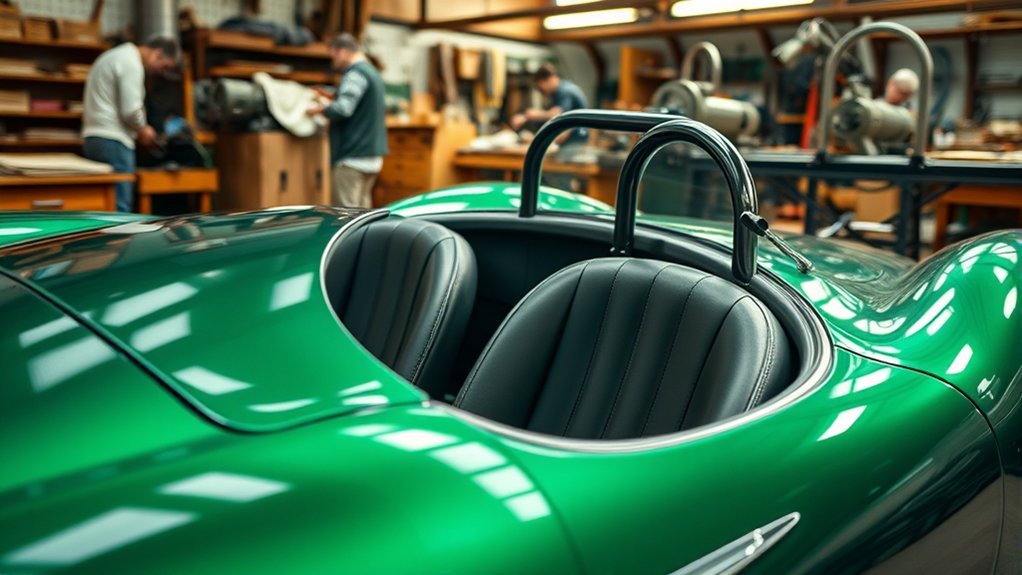
Luxury vehicles built in Britain mix old-world tradition with the newest computer technology. Famous companies like Bentley, Rolls-Royce, and Aston Martin produce some of the most expensive and comfortable vehicles on the market. These brands refuse to cut corners on quality.
Luxury vehicles from Britain blend deep tradition with modern innovation. Brands like Bentley, Rolls-Royce, and Aston Martin define this rich automotive heritage.
Bentley handcrafts the Continental GT and Bentayga in Crewe. Workers spend hours inspecting every stitch and paint layer. Rolls-Royce builds the massive Cullinan SUV to provide a silent, floating ride over any road surface. The company tests every V12 engine rigorously before installation.
Aston Martin blends aggressive sportiness with refined sophistication at its Gaydon plant. Models like the DBX and Vantage offer thrilling speed without sacrificing interior comfort. Buying one of these luxury cars supports thousands of skilled British jobs.
British Sports Cars Made for the Track
Few countries rival the UK when it comes to track-ready sports cars. Famous brands like Aston Martin and McLaren build cars that excite professional drivers and daily enthusiasts alike. These vehicles deliver raw power and precise handling.
Here are some of the best UK sports cars on the market:
- Aston Martin: The Vantage features a twin-turbocharged V8 engine that produces incredible horsepower and a famous exhaust growl.
- McLaren: The Artura plug-in hybrid pairs a powerful V6 engine with an electric motor for instant acceleration.
- Lotus: The Emira focuses on lightweight agility, giving drivers incredible feedback through the steering wheel.
- Morgan: The company builds custom sports cars using classic ash wood frames and modern BMW engines.
Unique British Niche Cars You Should Know
The UK builds plenty of famous supercars, but a hidden world of niche vehicles exists just out of the spotlight. Take the BAC Mono, for example. This single-seater supercar dominates track days and hits 60 mph in under three seconds.
The Morgan Plus Four offers a completely hand-built experience. It mixes 1930s styling with a modern turbocharged engine for reliable thrills. Caterham lets buyers order the Seven as a box of parts to build themselves in their own garage.
You should also look at the TVR Griffith. This bold sports car uses a massive V8 engine and skips heavy computer aids to provide a pure, analog driving experience. These unique cars prove British automotive creativity remains alive and well.
The Role of British Engine and Battery Plants
Car factories only tell half the story of British auto manufacturing. The UK also houses massive facilities dedicated to building the engines and batteries that power these vehicles. Ford operates a major engine plant in Dagenham that supplies diesel engines globally. Toyota builds hybrid engines in Deeside, North Wales.
As the industry shifts toward green energy, battery production has become critical. Nissan and its partners expanded their battery manufacturing hub in Sunderland to support new electric models. These supply chain facilities ensure UK automakers have the parts they need without relying on overseas shipping.
How Fast is the UK Adopting Electric Cars?
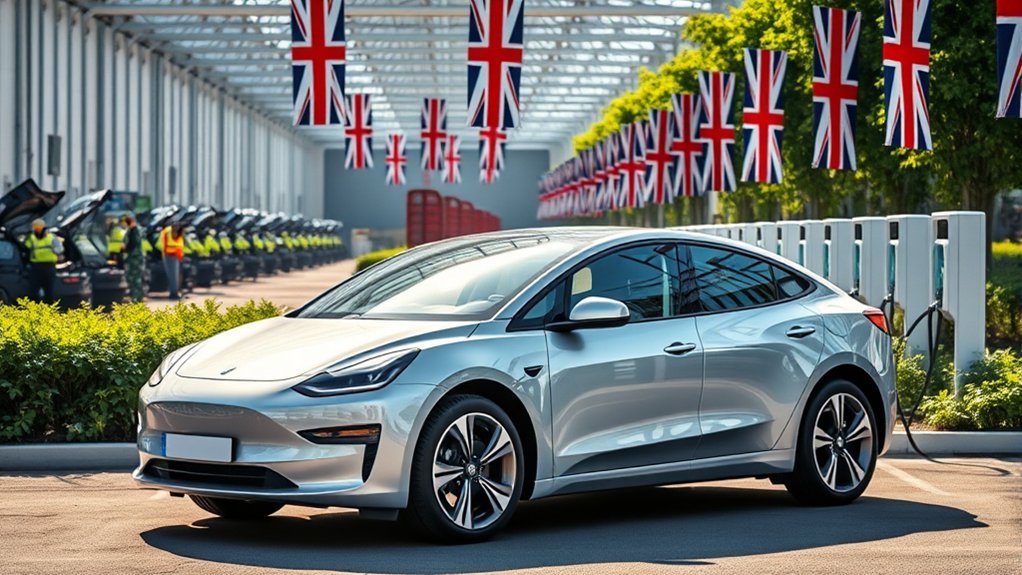
Electric cars continue to gain rapid traction across the UK. According to SMMT data, battery electric vehicles accounted for over 16% of all new car registrations in 2023. Drivers want cleaner air and lower running costs.
Consider these key factors driving the electric vehicle shift:
- The UK government plans to phase out the sale of new petrol and diesel cars by 2035.
- Major brands like Nissan, BMW, and Jaguar Land Rover are spending billions to upgrade their UK EV factories.
- UK plants manufactured over 118,000 fully electric and hybrid vehicles in 2023.
- Government grants for home chargers and expanding public charging networks make owning an EV much easier.
What is the Future of UK Car Manufacturing?
The UK car manufacturing landscape changes daily as new technology arrives. The biggest trend remains the rapid push toward complete sustainability. Automakers must meet strict government mandates for zero-emission vehicles over the next decade. Companies like Vauxhall recently transformed plants like Ellesmere Port into electric-only facilities.
Building local gigafactories for battery production will decide the future success of the British auto industry. Automakers also partner heavily with software companies right now. Modern cars require advanced computers for navigation, safety, and battery management.
Collaboration between auto makers and tech companies creates the innovation needed for a sustainable vehicle landscape.
Embracing electric motors and smart software will keep the UK at the top of the global automotive food chain.
How You Can Support the British Auto Industry
Supporting local car manufacturers protects thousands of jobs and strengthens the national economy. You can easily play a part in keeping this historic industry alive.
Here are a few ways you can support British automakers:
- Buy UK-built vehicles: Choose cars from brands like Nissan, Jaguar, Land Rover, or Mini that build models locally.
- Use local dealerships: Buy your vehicles and schedule your maintenance at locally owned franchise dealers.
- Follow industry news: Stay informed about new UK car launches and share the news with friends.
- Support local car shows: Attend regional auto shows and classic car meetups to keep car culture thriving.
Frequently Asked Questions
What Cars Are Actually Made in the UK?
Factory locations depend on the brand. Nissan operates a massive plant in Sunderland. Aston Martin builds cars in Gaydon, while Jaguar Land Rover operates facilities in Solihull and Halewood. Recent industry data shows the UK produces over 900,000 vehicles annually.
Which Cars Sold in the UK Are Made in the USA?
Several American brands sell vehicles in the UK, including Ford and Jeep. Some specific models, like the Ford Mustang and Jeep Wrangler, ship directly from US assembly lines. These imported cars must meet strict UK safety and emission regulations before dealers can sell them.
What Cars Does Britain Export to the USA?
Britain exports thousands of luxury vehicles to the United States every year. Popular exports include the Range Rover, Land Rover Defender, and various Mini Cooper models. American buyers respect these brands for their high manufacturing standards and premium materials.
What Toyota Cars Are Made in the UK?
Toyota manufactures the Corolla at its Burnaston plant in Derbyshire. This production facility supports thousands of British jobs. It also drives local economic growth and helps Toyota develop new hybrid technologies for the European market.
Conclusion
Every car built in the UK tells a story of brilliant design, rich history, and world-class engineering skill. Buying from local manufacturers protects regional jobs and keeps British automotive innovation moving forward. Visit a local dealership or research British brands online to find your next great vehicle. You will drive away with a piece of motoring history that helps shape a greener future.







Leave a Reply