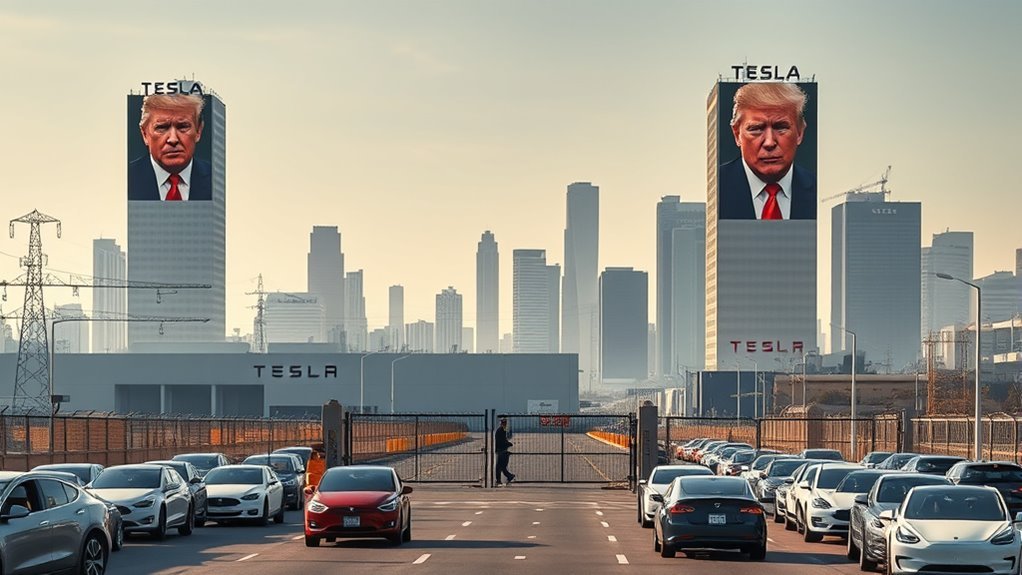
Did Donald Trump ban Tesla production? A viral video claiming to show this announcement sparked concern across social media, but the video is a fake.
Quick Answer
No, Donald Trump has not banned Tesla production. The video circulating online is a manipulated deepfake created from an older, unrelated press conference. Experts and AI detection tools have confirmed the clip is altered and factually incorrect.
You likely encountered this clip on social media platforms. It relies on distorted audio and synthetic visuals to trick viewers. Understanding how to spot this manipulation protects you from falling for future digital traps.
Key Takeaways
- No credible evidence supports claims that Donald Trump banned Tesla production.
- The viral video features a manipulated clip of a legitimate press conference where Trump spoke positively about Elon Musk.
- AI detection experts identified unnatural audio patterns and visual discrepancies in the footage.
- Misleading content like this can harm investor confidence and skew public perception.
- Developing strong digital literacy skills remains the best defense against synthetic media.
Understanding Deepfake Technology and Its Impact on Misinformation
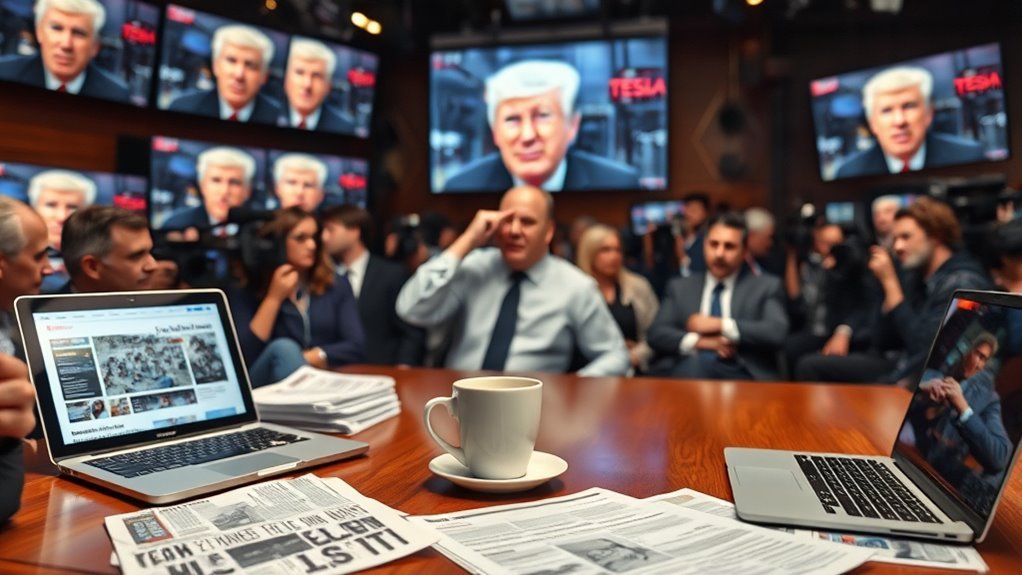
Deepfake technology uses artificial intelligence to create realistic but fake videos. These tools blur the line between actual footage and digital fabrications.
Low-quality deepfakes often show blurriness or strange facial movements. Sophisticated versions can mimic human speech patterns, but AI detection tools frequently identify them by analyzing audio nuances that sound unnatural to software.
Social media allows these videos to spread before people can verify them. This rapid sharing influences public opinion on important political and economic topics.
The Origins of the False Claims About the Tesla Ban
The false claims regarding a Tesla production ban stem from a deliberately manipulated video. The Instagram account @dangerousaireturns first circulated the clip, which they label as parody content.
The video uses footage from a June 7, 2025, press conference. In the original event, Trump praised Elon Musk. The creators removed the positive context and layered fabricated audio over the clip.
This deception attempts to exploit a public feud between Trump and Musk. Even though the video gained traction, no official policy or statement suggests such a ban exists.
How Experts Verified the Viral Deepfake Video
Experts mobilized quickly to analyze the viral video using advanced detection software. They found a 62% probability of audio manipulation within the clip.
Tools such as Hiya and Hive AI confirmed the likelihood of AI-generated alterations. Furthermore, the Deepfake-O-Meter classified the audio as synthetic.
Visual analysis showed that the creators horizontally flipped and cropped the original video. This technique obscures the source material and makes detection more difficult for the casual viewer.
What Misinformation Means for Tesla and Trump
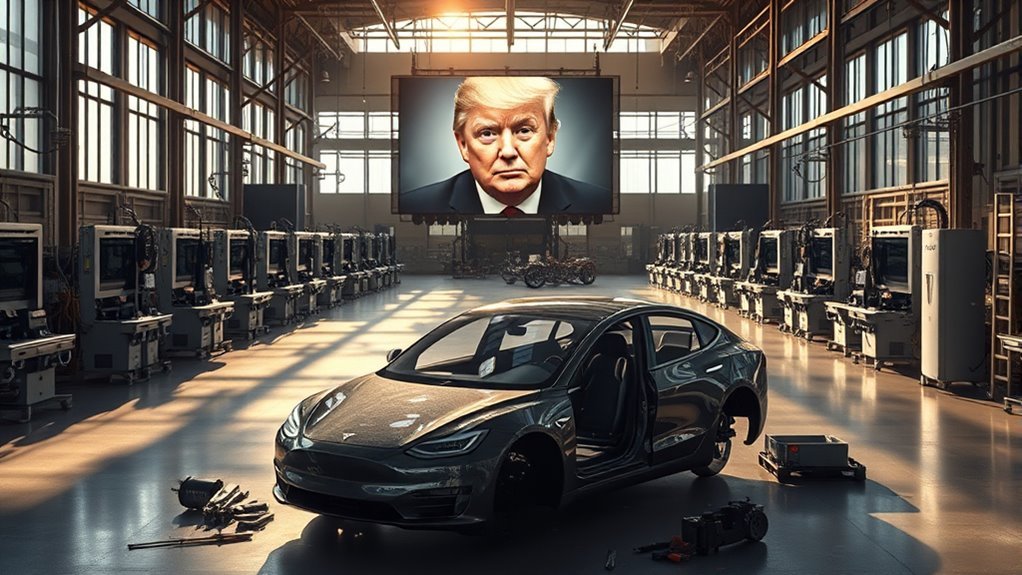
False narratives disrupt public trust and impact financial markets. When investors see sensational headlines, they may react emotionally, which can lead to unnecessary stock price fluctuations.
Maintaining clear communication is vital for both political leaders and corporations. If the public loses the ability to distinguish truth from fabrication, they may struggle to make informed decisions about companies and policies.
Recommended Practices for Fact-Checking
Always verify sensational claims before you share them on social media. Check if major, reputable news outlets have reported on the alleged news. If no established source covers the story, treat the content with extreme skepticism.
Why Fact-Checking Matters
Fact-checking protects you from being manipulated by digital content. As these technologies improve, you must act as your own filter.
Always evaluate the source of the video. If a video appears on a known parody account or lacks attribution to a reliable organization, verify the claims through secondary sources. Developing these habits keeps you informed and protects the integrity of public discourse.
Frequently Asked Questions
What is Tesla’s current production status in the U.S.?
Tesla continues to operate its U.S. manufacturing facilities at standard capacity. The company frequently releases production updates through its official investor relations portal.
How has Tesla responded to the misinformation?
Tesla typically addresses misinformation by maintaining transparent communication through official channels. The company focuses on direct updates to keep shareholders and customers informed.
What are deepfakes and how do they work?
Deepfakes are synthetic media created by AI that swap faces or clone voices. They synthesize existing media to make a person appear to say or do things they never did.
What steps can I take to verify news credibility?
Look for primary sources, check the date of the content, and use reverse image or video search tools. If a story sounds extreme, cross-reference it with established, non-partisan news organizations.
How can I report misinformation on social media?
Use the “Report” feature found on most social media platforms. Select categories related to misinformation or fake news to help platform administrators remove harmful content.
Conclusion
Misinformation thrives when viewers accept content without verifying the source. The false Tesla ban video demonstrates how easily synthetic media can distort your perception of reality.
Verify every viral claim before you share it. This small step protects you and your community from falling for future digital deceptions.






Leave a Reply