Quick Answer
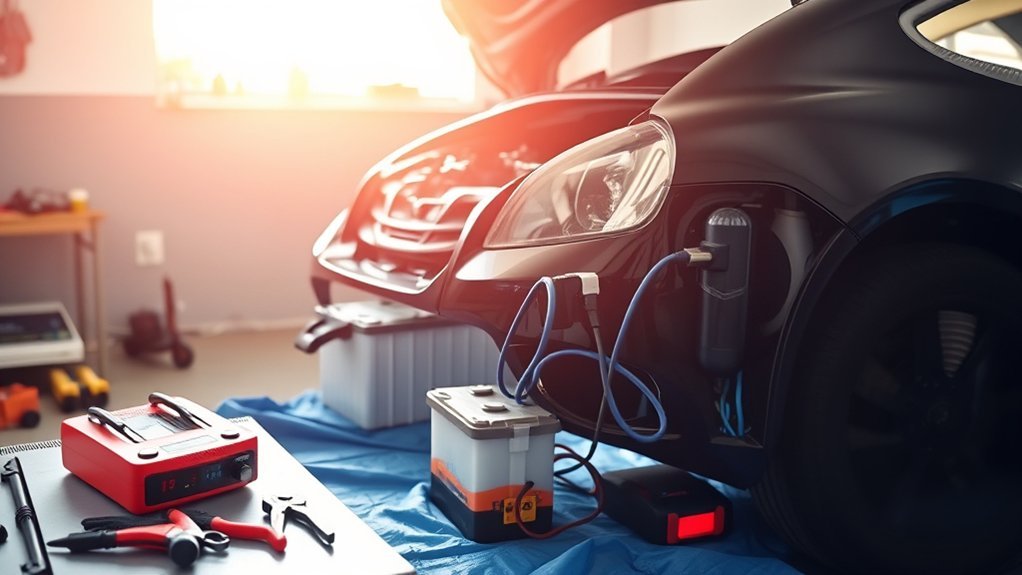
To charge your battery, connect the red clamp to the positive terminal and the black clamp to the negative terminal before plugging in your charger. Always turn off the ignition and accessories first to prevent electrical damage. Monitor the device periodically, as charging typically takes several hours depending on the battery state.
A dead car battery often happens at the worst possible moment. You can avoid a costly tow by charging the battery yourself using basic tools and proper safety measures. This guide walks you through the steps to safely revive your car battery at home.
Essential Charging Steps
- Gather a quality battery charger, protective gloves, safety goggles, and a clean rag.
- Turn off the vehicle, engage the parking brake, and switch off all interior lights or accessories.
- Attach the red charger clamp to the positive battery terminal.
- Attach the black charger clamp to the negative battery terminal.
- Monitor the charger settings and progress to ensure a successful charge.
What Tools Do You Need to Charge Your Car Battery?

You need a few specific items to charge your battery at home. First, purchase a quality battery charger. Smart chargers that offer adjustable amperage settings work best for most modern vehicles.
Wear protective gloves and safety goggles during the process to prevent skin contact with battery acid. Use a clean rag to wipe dirt or debris from the terminals to ensure a strong electrical connection.
Work in a dry, well-ventilated area to prevent the buildup of flammable hydrogen gas. Keep a small screwdriver nearby to remove any plastic covers that might block your access to the battery terminals.
How to Safely Prepare for Charging Your Car Battery?
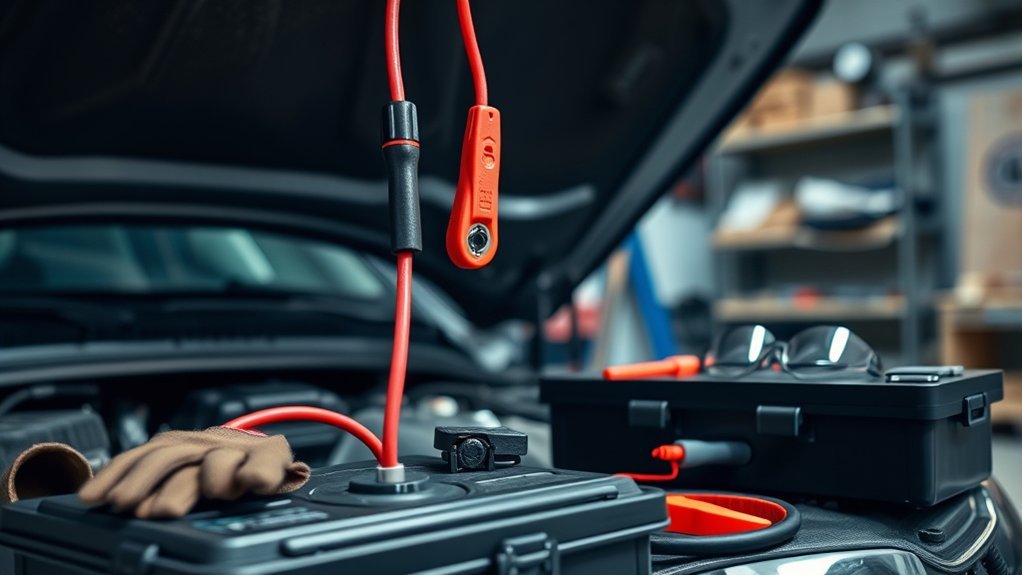
Proper preparation prevents accidents and protects your vehicle’s sensitive electrical systems. Follow these safety steps before you start.
| Step | Action | Purpose |
|---|---|---|
| 1 | Turn off ignition | Prevent electrical shorts |
| 2 | Engage parking brake | Keep the vehicle stable |
| 3 | Disable accessories | Stop unnecessary power drain |
| 4 | Wear safety gear | Protect skin and eyes |
| 5 | Ensure ventilation | Disperse flammable gases |
Step-by-Step Guide to Charging Your Car Battery
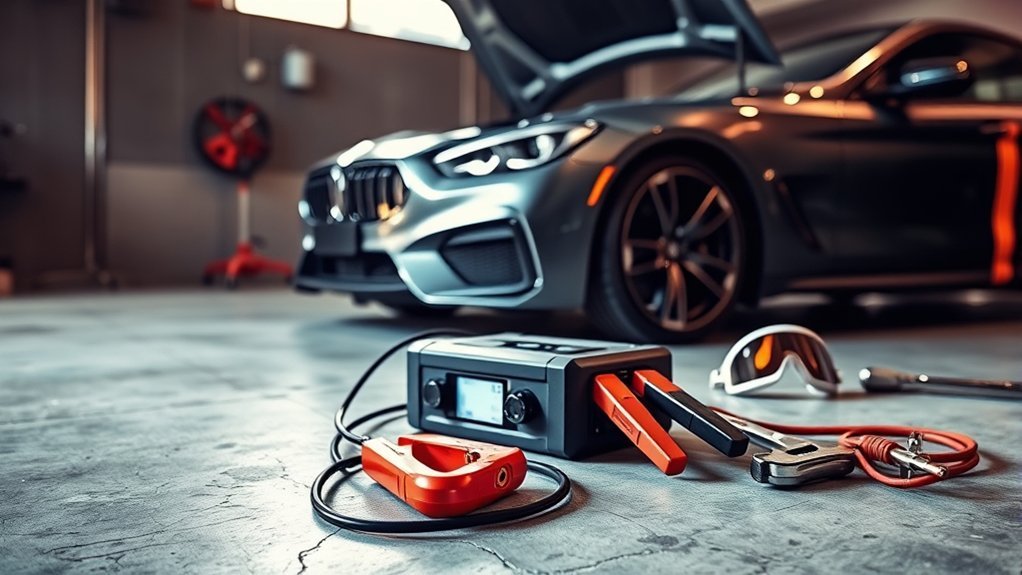
Charging your battery is a routine task, but it requires caution. Locate your battery and identify the positive (+) and negative (-) posts.
Keep the charger unplugged while you attach the clamps. Connect the red clamp to the positive terminal first, then connect the black clamp to the negative terminal.
Plug in the charger and select the correct amperage setting for your battery type. Monitor the progress periodically. Charging usually takes between four and twelve hours depending on the battery size.
Once the battery reaches a full charge, turn off the charger before you remove the clamps. Disconnect the black negative clamp first, followed by the red positive clamp.
Verifying Proper Battery Connections
A loose connection causes the charging process to fail or creates dangerous sparks. Inspect the terminals for white or blue corrosion before you attach the clamps.
Clean any buildup with a wire brush or a baking soda and water mixture. Ensure the clamps bite firmly onto the lead posts. If you cannot reach the negative terminal directly, attach the black clamp to a clean, unpainted metal part of the engine chassis.
Never allow the two clamps to touch while the charger is plugged in. This creates a short circuit that can damage the charger or the battery. Always consult your vehicle manual if you have concerns about your specific battery type.
Essential Maintenance Tips to Extend Your Car Battery Life
Regular care prevents premature failure. Keep the top of the battery case clean to prevent minor electrical leaks across the plastic casing.
If your battery is a non-sealed type, check the fluid levels every few months and add distilled water if the levels drop. Avoid frequent short trips, as they prevent the alternator from fully recharging the battery.
Check the battery age using the sticker on the side of the unit. Most car batteries last three to five years. If yours is older, test it at a local auto parts store to see if it needs a replacement.
How to Diagnose a Failing Battery
Sometimes a battery will not hold a charge despite your best efforts. Look for signs like slow engine cranking, dim headlights, or a clicking sound when you turn the key.
If you charge the battery fully but the car fails to start the next day, the battery likely suffers from an internal short. In this case, you should have the battery professionally tested or replaced.
Frequently Asked Questions
Can I Charge a Frozen Car Battery?
Never charge a frozen battery. The electrolyte can expand and crack the battery case, which causes a dangerous leak. Move the vehicle to a warm garage and allow the battery to thaw naturally before attempting to charge it.
How Long Does It Take to Charge a Car Battery?
Charging time varies based on the battery capacity and the charger output. A standard charger might take four to twelve hours to restore a dead battery. Check your charger display for a full charge indicator.
Is It Safe to Charge a Battery Indoors?
Charging a battery indoors presents risks due to hydrogen gas production. Only charge your battery in a garage with the door open or in an area with active airflow. Avoid charging near open flames, heaters, or sparks.
What Should I Do if the Charger Sparks?
Sparks indicate a poor connection or an active circuit. Unplug the charger from the wall immediately to stop the flow of electricity. Clean the terminals, ensure a solid connection, and try again carefully.
Can I Use a Solar Charger for My Car Battery?
Yes, solar trickle chargers work well to maintain a battery that sits for long periods. They do not charge a dead battery quickly, but they prevent the battery from losing its charge while the vehicle sits idle.
Final Thoughts on Battery Care
Maintaining your car battery ensures your vehicle starts reliably every time you turn the key. Use the right tools, follow proper safety sequences, and keep your terminals clean to extend the life of your battery. Start your next charging session by verifying your connections to keep everything running safely.







Leave a Reply