Quick Answer
Never throw car batteries in household trash because they contain lead and sulfuric acid. Instead, drop them off at local auto parts stores, scrap metal yards, or municipal hazardous waste collection sites. These facilities safely process the battery materials for reuse in new products.
Old car batteries contain toxic materials that pose significant risks to your health and the local environment. Proper disposal ensures these hazardous components stay out of landfills and enter a safe recycling stream. This guide explains exactly how to recycle your battery and transport it without any risk.
Key Takeaways
- Find certified recycling centers using tools like Earth911 or Call2Recycle to ensure proper disposal.
- Most auto parts retailers, such as AutoZone or O’Reilly Auto Parts, accept old batteries for recycling at no cost.
- Check local municipal programs for hazardous material collection days to discard your battery safely.
- Transport batteries upright in a non-conductive container, wearing protective gear to prevent leaks or shorts.
- Explore repurposing programs that use older battery capacity for backup power systems.
Why Recycling Car Batteries Is Essential
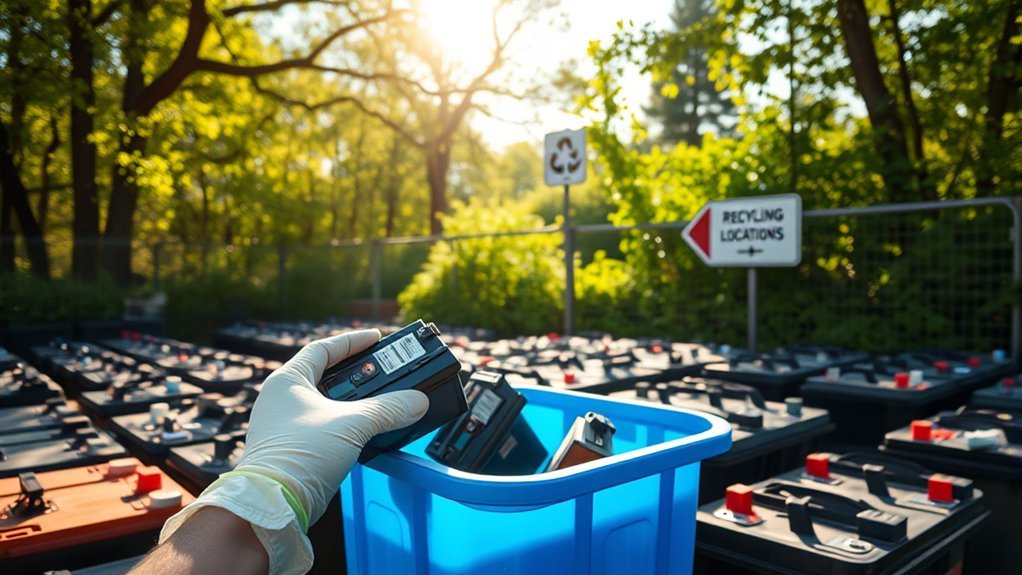
Car batteries hold hazardous materials like lead and sulfuric acid. These substances leach into soil and water if you dispose of them improperly, causing severe contamination. Recycling prevents these toxins from polluting ecosystems and harming wildlife.
The process recovers valuable metals such as lead, lithium, cobalt, and nickel. Recovering these materials reduces the demand for virgin resource extraction and supports a circular economy. Data from the Battery Council International indicates that up to 99 percent of lead-acid battery components undergo successful recycling.
How to Find Local Battery Recycling Locations
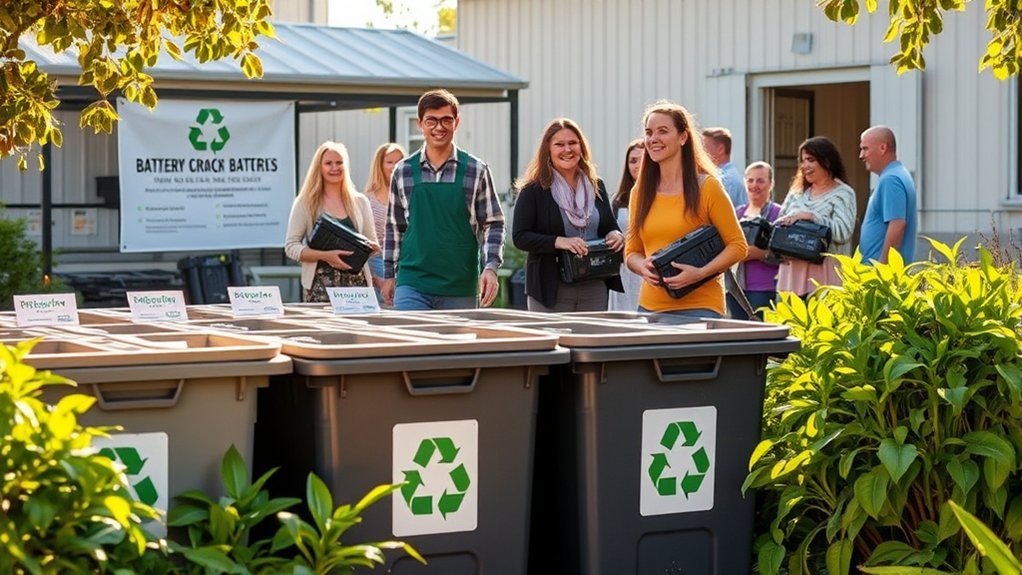
You have several reliable options to recycle your old car battery. Start by checking these resources:
- Use online search tools like Earth911 or Call2Recycle to find certified centers near your home.
- Visit auto parts retailers like AutoZone or O’Reilly Auto Parts, which often accept batteries and may offer store credit.
- Consult your city or county municipal recycling website to find hazardous waste collection schedules.
Always call the location before you drive there. Confirm their current acceptance policies and ask if they require proof of residency.
How to Transport Old Car Batteries Safely
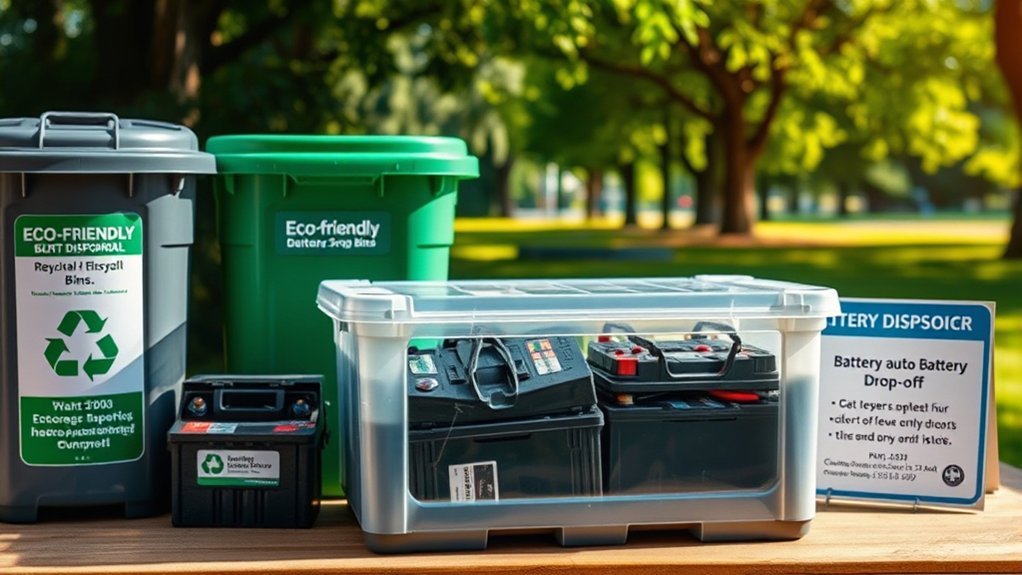
Transporting a used battery requires care to prevent spills or electrical accidents. Secure the battery upright inside a plastic, non-conductive bin to contain potential leaks.
Always wear thick rubber gloves and safety goggles when you move the battery. Cover the metal terminals with electrical tape or thick plastic caps to prevent accidental short-circuits. Keep the battery out of direct sunlight and extreme heat while it sits in your vehicle. Always consult a professional before performing any repairs or handling severely damaged, leaking batteries.
What Happens to Your Recycled Battery
Responsible recycling ensures that specialized facilities process toxic substances safely. The typical process involves three primary stages:
- Sorting and shredding: Workers break the battery down into its basic components.
- Metal recovery: Facilities use heat or chemical processes to extract lead, plastic, and acid.
- Resource reuse: Manufacturers use the recovered lead and plastic to build new batteries, reducing the need for new mining.
Repurposing Old Batteries
Once a car battery fails to start an engine, it may still hold some capacity. Some companies harvest these units for stationary energy storage systems.
Electric vehicle batteries often power backup systems for homes or grid stabilization projects. This second life extends the total usage of the battery materials. Researchers continue to find new ways to integrate these batteries into energy grids to lower waste.
Frequently Asked Questions
Can I throw away car batteries in regular trash?
No, you cannot put car batteries in regular trash. Improper disposal causes soil and water contamination. You must drop them off at a designated recycling center or retail collection site.
What should I do if my battery leaks?
If you see a leak, wear protective gloves and safety glasses immediately. Place the battery in a sealable, non-conductive plastic container to contain the acid. Contact your local hazardous waste management office for specific cleanup and disposal instructions.
Are there fees for recycling car batteries?
Most retailers offer free battery recycling, especially if you buy a new battery from them. Some municipal centers may charge a small fee for special hazardous waste drop-offs. Always call ahead to confirm pricing.
How often should I recycle my car battery?
You should recycle your battery as soon as it stops holding a charge, which usually happens every three to five years. Do not store dead batteries in your garage long term, as they can leak over time.
Can I recycle batteries from other vehicles?
Yes, you can recycle batteries from motorcycles, boats, and lawn mowers. These batteries often contain similar lead-acid chemistries and require the same disposal methods as car batteries.
Conclusion
Disposing of car batteries responsibly protects your community and the environment. You avoid legal issues and prevent hazardous chemical leaks by choosing a proper recycling facility. Check with local retailers or municipal programs today to find your nearest collection point. Your decision to recycle keeps toxic materials out of the ground and supports sustainable manufacturing.







Leave a Reply