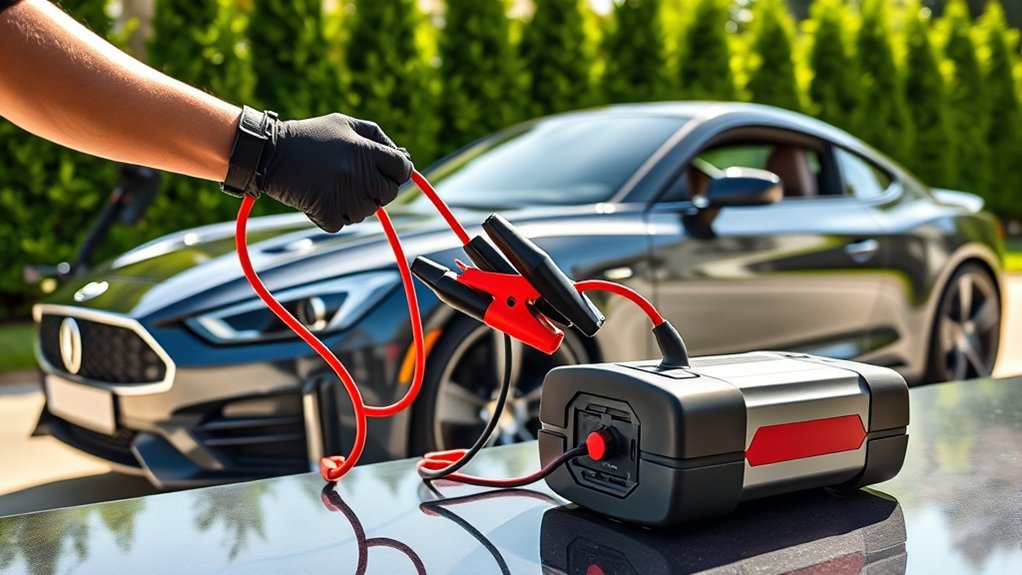
A dead car battery often results from loose connections or terminal corrosion rather than a failed unit. You can typically restore power by cleaning and tightening your battery terminals or using a jump-starter to revive the charge. If these steps fail, your battery may require a full replacement.
Quick Answer
To fix a dead battery, first tighten the cable connections and clean any white or green corrosion from the terminals using a baking soda and water mixture. If the engine still won’t start, perform a jump-start using a reliable set of cables and a donor vehicle. Should the car continue to struggle, inspect the battery for physical damage or consider a professional electrical test.
Key Takeaways
- Check for slow cranking or flashing dashboard lights to identify battery issues early.
- Inspect battery terminals for corrosion and ensure they are tightly secured.
- Clean corroded terminals using a baking soda mixture and apply dielectric grease afterward.
- Verify battery cables for damage or fraying that could disrupt connectivity.
- If symptoms persist, replace the battery to prevent unexpected breakdowns.
How to Check Battery Connections for Security
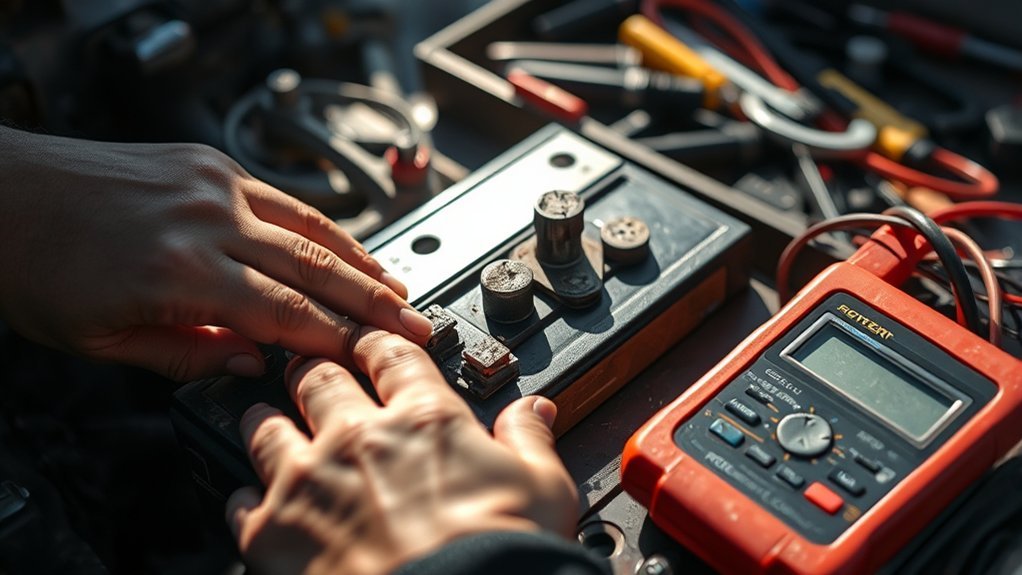
To ensure your car battery functions properly, first check the battery connections for security.
Visually inspect the terminals to confirm they remain free of corrosion and connect firmly to the battery posts. Use a wrench to tighten the positive (+) and negative (-) terminals until they feel snug.
Check any additional connections or modifications, such as aftermarket accessories, that might impact the electrical load. Ensure the battery sits securely in its tray to prevent movement that could stress cables while driving.
Regular inspections allow you to identify wear before it leads to starting failures.
Understanding the Signs of a Dead Car Battery
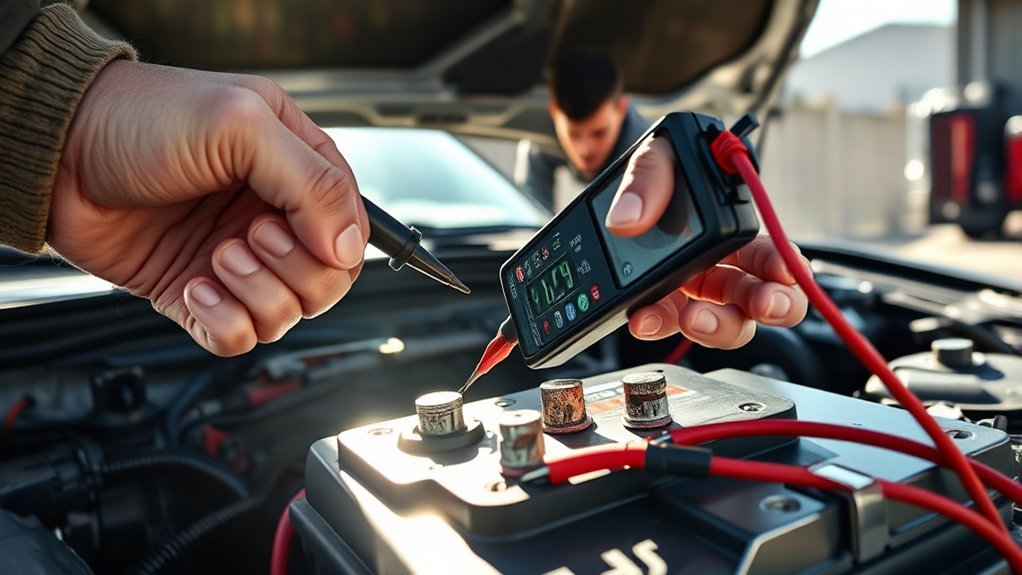
You will notice several key symptoms when your car battery fails.
A slow crank during start-up or flashing dashboard lights indicates insufficient power. Recognizing these signs early allows you to take action before a complete failure occurs.
Common Symptoms Explained
Recognizing the signs of a dead car battery saves you time and frustration. A very slow crank or noticeable delay when starting the engine suggests low battery capacity.
If your dashboard lights flash or fail to illuminate upon turning the ignition, this signals insufficient power. You might also hear grinding noises during ignition attempts, which suggest the starter motor lacks the necessary voltage.
Always inspect battery terminals for corrosion, as this buildup impairs electrical connections and charging efficiency.
Immediate Actions Required
Recognizing the signs of a dead car battery is the first step. Take these actions if you suspect a problem:
- Check battery terminals to ensure connections stay tight and free from corrosion.
- Assess dashboard indicators to confirm if power is too low for starting.
- Listen for grinding noises that suggest the starter is not receiving enough voltage.
Identifying Corrosion and Wear on Battery Terminals
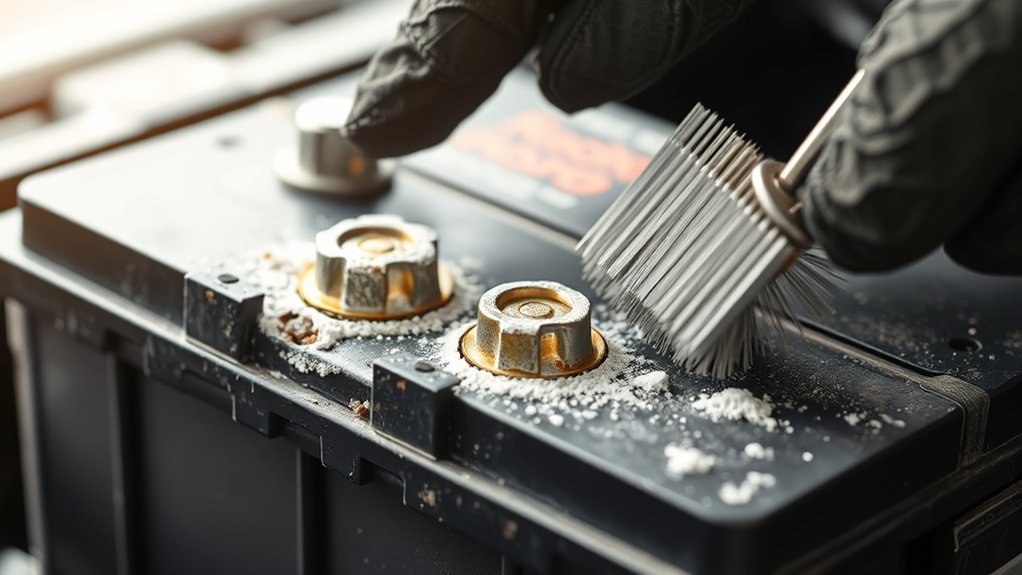
When you inspect your battery terminals, look for a white, ashy substance or a greenish-blue tint. This indicates corrosion that disrupts electrical flow.
Regular cleaning and replacing damaged cables enhances battery performance and longevity. Addressing corrosion promptly ensures reliable starts and prevents battery failures.
Visual Inspection Techniques
Maintain your car battery with a thorough visual inspection of the terminals. Follow these steps for a precise evaluation:
- Look for white or green corrosion deposits around the terminal connections.
- Check the cables for fraying or exposed wires that might disrupt power.
- Ensure battery terminals remain tightly secured to prevent loose connections.
Additionally, inspect the battery casing for any swelling or leakage. Regular inspections aid in testing and ensure optimal performance.
Cleaning Corroded Terminals
Cleaning battery terminals is essential for vehicle performance. Corrosion acts as a barrier, preventing the battery from sending power to the starter.
Disconnect the negative terminal first, followed by the positive. Use a mixture of baking soda and water to neutralize the corrosion. Apply the solution with a brush, then rinse and dry the area thoroughly.
Always inspect the terminals for physical wear after cleaning. Perform this maintenance at least once a year. Always consult a qualified professional before making decisions based on this information.
| Step | Action | Purpose |
|---|---|---|
| 1. Disconnect | Remove negative terminal first | Prevents electrical shorts |
| 2. Clean | Apply baking soda mixture | Neutralizes corrosion |
| 3. Inspect | Check for wear/damage | Ensures reliable connection |
Replacing Damaged Connections
Identifying corrosion is crucial for reliable vehicle operation. To maintain optimal performance, follow these steps:
- Inspect battery terminals for powdery buildup that blocks starting power.
- Use a wire brush to remove corrosion and restore a solid electrical contact.
- Check cables for fraying; replace damaged cables to avoid intermittent connection issues.
Ensure all connections stay tight to prevent voltage drops. Regular checks help you avoid unexpected breakdowns.
Jump-Start Your Vehicle Safely
When your battery dies, jump-starting it safely prevents damage to your vehicle’s electrical system. Turn off both vehicles before you start.
Connect the positive cable to the positive terminal of the dead battery, then to the positive terminal of the working battery. Attach the negative cable to the working battery’s negative terminal. Connect the other end of the negative cable to a metal ground point on the dead vehicle.
Run the working vehicle for a few minutes before attempting to start the dead vehicle. Remove cables in reverse order. Drive the car for at least 30 minutes to recharge the battery.
Signs It’s Time to Replace Your Car Battery
After a jump-start, monitor your battery to determine if it needs a full replacement. Watch for these three key indicators:
- Slow Engine Crank: An engine that turns over slowly signals that the battery is dying.
- Failure to Start: A car that refuses to start despite attempts usually points to a failed battery.
- Grinding Noises: Unusual grinding sounds during ignition often mean the battery lacks the power to engage the starter motor.
Tips for Maintaining Your Car Battery
Keep your battery in top condition with regular inspections. Clean the terminals frequently to prevent buildup. Tighten all battery connections to avoid electrical resistance.
Regular Visual Inspections
Visual inspections remain the best way to maintain performance. Check your battery using this frequency:
- Check for corrosion on both positive and negative terminals.
- Verify that the battery is tightly fastened to prevent vibration.
- Examine cable insulation for signs of fraying or heat damage.
Clean Terminals Frequently
Frequent cleaning prevents starting issues caused by corrosion. Inspect terminals for debris or residue that hinders flow.
Use a baking soda and water mixture to neutralize acidic buildup. Use a wire brush to scrub the terminals and cable connectors until the metal looks clean.
Apply a thin layer of dielectric grease to the terminals after cleaning. This prevents future corrosion and keeps connections secure.
Secure Battery Connections
Secure connections prevent electrical resistance. Follow these steps to ensure integrity:
- Tighten terminals to ensure a snug fit on the battery posts.
- Examine terminals for wear during every oil change.
- Use a battery strap to keep the unit from moving while the vehicle is in motion.
Why Does Your Battery Need to Be Secure and Installed Right?
An unsecured battery shifts during operation, which stresses cables and causes poor electrical connections. This movement often results in intermittent starting failures.
Proper installation minimizes the risk of short circuits or overheating caused by terminal contact with metal surfaces. Regular security checks ensure your vehicle remains reliable under various driving conditions.
Troubleshooting Electrical Issues
A properly installed battery serves as the foundation for your vehicle’s electrical health. Use these steps to troubleshoot problems:
- Inspect connections for tightness and clean away any signs of corrosion.
- If slow cranking continues, verify that the battery is fastened firmly to prevent cable stress.
- Examine all electrical modifications for loose wiring or damaged insulation.
Regular diagnostics and visual inspections significantly extend your battery life.
What to Do If Your Car Still Won’t Start?
If the car still fails to start after troubleshooting, the problem might exist beyond the battery. Check the tightness of your battery terminals again to ensure they make solid contact.
Listen for specific noises, such as a single click or grinding sounds, which point to a failing starter motor. If your lights flash but the engine does not turn over, seek a professional electrical inspection to rule out alternator or starter failures.
Preventing Future Car Battery Problems
Proactive maintenance prevents future starting issues. Follow these practices to extend battery life:
- Inspect terminals for corrosion and tighten connections every few months.
- Clean battery surfaces to prevent debris buildup.
- Fasten the battery correctly to avoid damage from vibrations.
If you rarely drive, use a battery maintainer to keep the charge at an optimal level.
Frequently Asked Questions
Can Extreme Temperatures Affect My Car Battery’s Performance?
Yes, extreme temperatures impact battery chemistry. High heat shortens the battery lifespan, while cold weather reduces its ability to deliver the high voltage needed to start the engine.
How Long Should a Car Battery Typically Last?
Most car batteries last between three and five years. Factors such as driving habits, climate, and maintenance frequency determine the actual lifespan of your specific unit.
What Tools Do I Need to Maintain My Car Battery?
You need basic tools including a wrench for terminal bolts, a wire brush for cleaning corrosion, and baking soda. A multimeter helps track voltage levels if you suspect the battery is draining.
Is It Safe to Jump-Start a Hybrid Vehicle?
Jump-starting a hybrid requires caution because of their sensitive electronic systems. Always consult your owner manual, as many hybrid vehicles use specific jump points rather than direct battery terminal connections.
Can I Use a Battery Charger Instead of Jump-Starting?
Yes, a battery charger is often safer than a jump-start because it provides a steady, controlled charge. Use this method if you have access to a power outlet and sufficient time to let the battery charge.
Conclusion
Fixing a dead battery requires attention to detail rather than specialized mechanical skills. By cleaning your terminals and ensuring a secure installation, you can restore reliability to your vehicle. If these steps do not solve the problem, take your car to a professional for an electrical diagnostic test. Consistent maintenance will keep your car starting strong for years to come.






Leave a Reply