Quick Answer
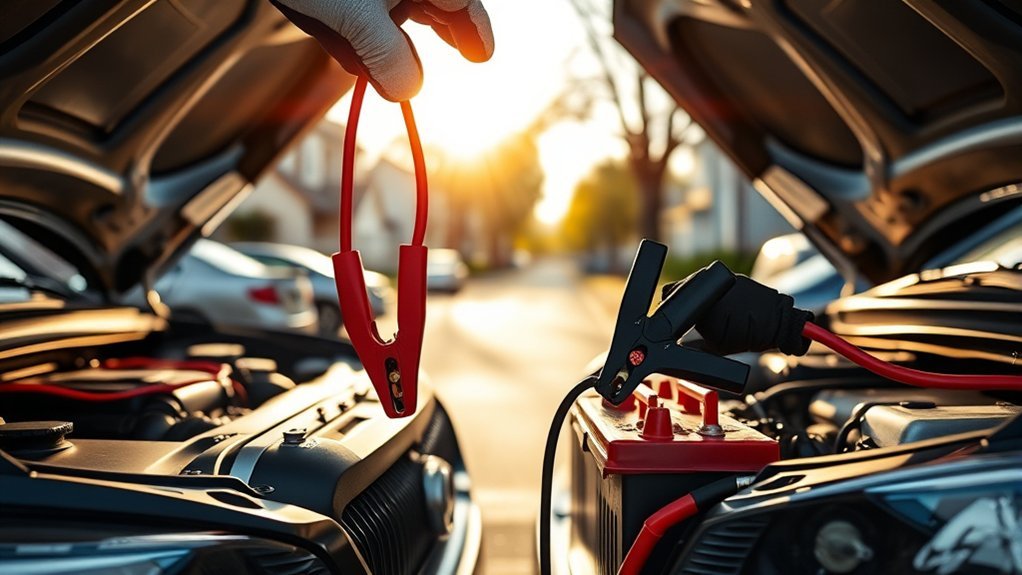
To jump-start a car, connect the red cable to the positive terminals of both batteries. Attach the black cable to the negative terminal of the good battery and a grounded, unpainted metal surface on the dead car. Start the donor vehicle first, then start your own car.
Facing a dead battery often happens at the worst possible time. Whether you left your lights on or the battery aged out, getting back on the road requires the right approach. This guide explains how to safely jump-start your vehicle and maintain your battery for long-term reliability.
Key Takeaways
- Inspect both batteries for leaks or cracks before attempting a jump.
- Ensure both batteries share the same voltage to avoid electrical damage.
- Follow the strict order of connections to prevent dangerous sparks.
- Always connect the final black clamp to unpainted metal, not the dead battery.
- Seek professional help if the car fails to start after several attempts.
Understanding Jump-Starting: When and Why You Need It
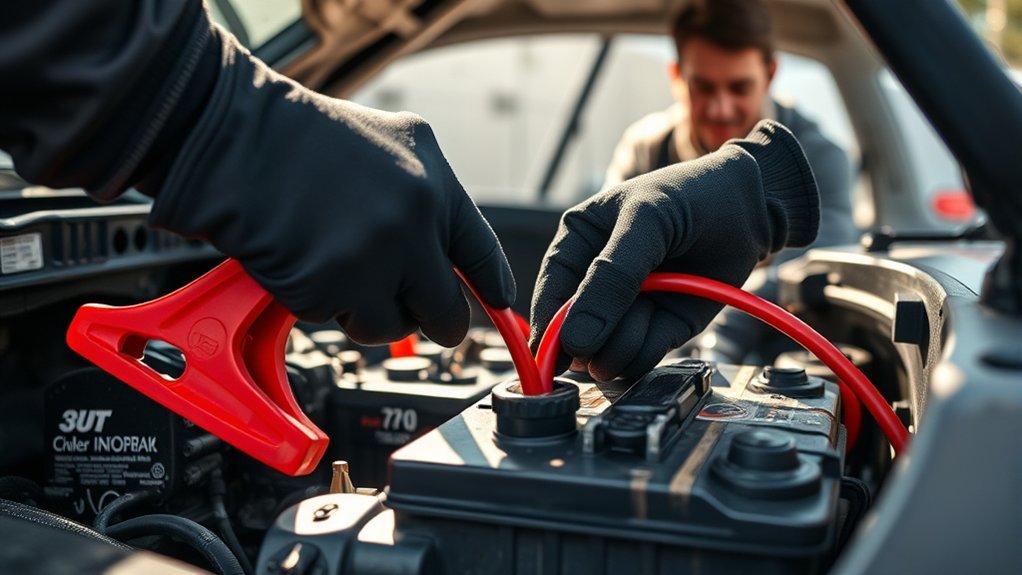
A dead battery stops your engine from turning over. This usually results from extreme heat, cold, or leaving your headlights on for too long.
Most passenger cars use 12-volt systems. Match your donor vehicle’s voltage to yours to prevent electrical system failure. Use high-quality jumper cables free of rust to ensure a strong flow of current between the two vehicles.
Essential Safety Checks Before Starting
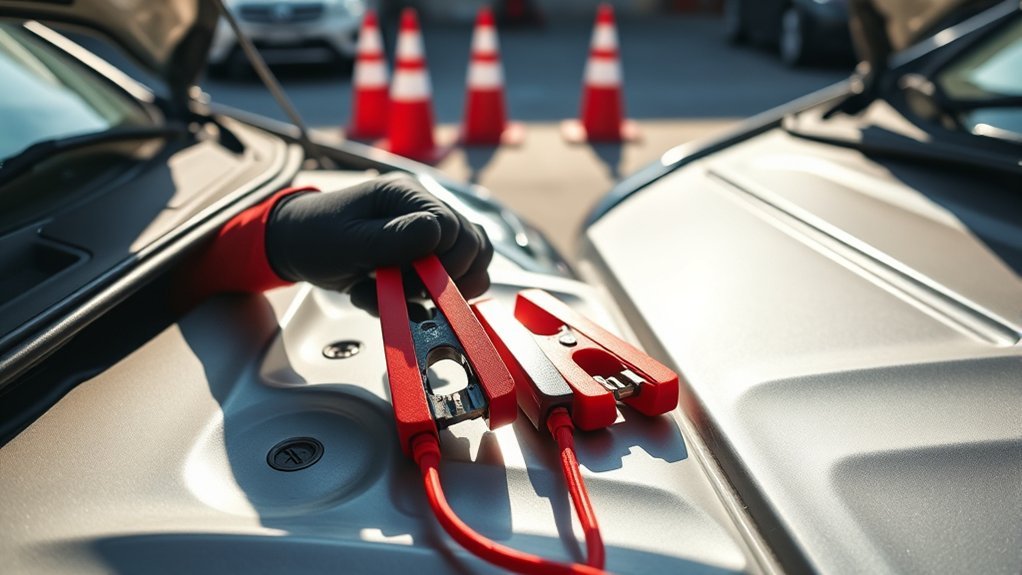
Preparation keeps you safe during the process. Start by looking for physical damage to the battery casing. If you see leaks or bulging, do not attempt to jump the car. A damaged battery can release harmful gases or acid.
Clear metal objects and flames from the engine bay. Wear protective gloves and goggles if you have them. Always check your owner’s manual, as some modern cars contain sensitive electronics that require specific jump-starting steps.
Step-by-Step: Connecting Jumper Cables
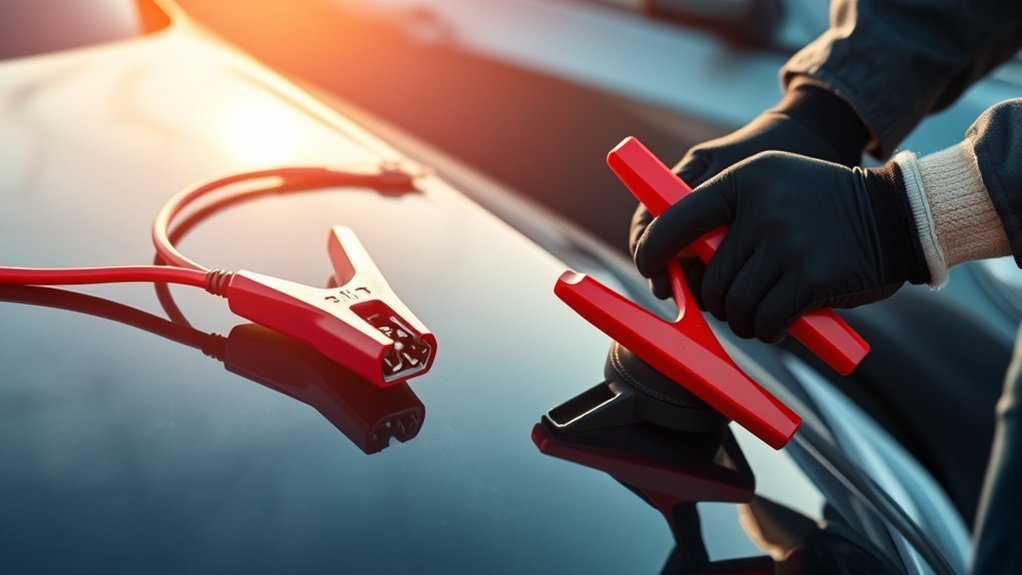
Follow these steps exactly to protect your vehicle’s electrical system:
- Attach one red clamp to the positive terminal of the dead battery.
- Connect the other red clamp to the positive terminal of the working battery.
- Attach one black clamp to the negative terminal of the working battery.
- Secure the final black clamp to an unpainted metal surface on the engine block of the dead car.
Start the engine of the donor vehicle and let it run for a few minutes. Then, attempt to start the car with the dead battery. Once it runs, remove the cables in the exact reverse order of how you attached them.
Troubleshooting Common Starting Failures
If your car still won’t start after a boost, look for these specific issues:
- Clicking sounds: Your starter motor might be failing or the connection is too loose.
- Corroded terminals: Clean white or blue buildup off the posts to allow power flow.
- Lighting issues: If your dashboard lights don’t turn on, you might have a blown fuse or a disconnected battery cable.
- Engine stalls: If the car dies after you remove the cables, your alternator likely failed to charge the battery.
How to Extend Battery Life
Consistent care prevents mid-trip breakdowns. Clean your terminals monthly with a mix of baking soda and water to prevent buildup. Tighten any loose connections to keep your voltage stable. If you leave your car parked for more than two weeks, use a trickle charger to prevent the battery from draining completely.
Frequently Asked Questions
Can I jump-start my car with a portable battery charger?
Yes, portable jump packs work well. They offer a safer, easier alternative because they don’t require another vehicle to be present.
How long should I run the engine after jumping?
Keep the engine running for at least 20 minutes. This gives your alternator enough time to put a charge back into the battery.
Is it safe to jump-start a hybrid or electric vehicle?
Many hybrids have a specific 12-volt battery for starting systems, but you must consult your manual. Do not attempt to jump-start the high-voltage main drive battery yourself.
What should I do if sparks occur?
If you see sparks, immediately remove the cables. Check your connections to ensure you aren’t touching a positive terminal to a negative one.
Conclusion
Jump-starting safely gets you back on the road when you face battery failure. Most battery issues arise from neglect, but regular inspections and simple maintenance extend your battery life significantly. Always prioritize safety and consult your manual if you encounter unexpected trouble with your car’s electrical system.







Leave a Reply