Quick Answer
To keep your electric vehicle battery healthy, maintain its charge between 20% and 80% and avoid frequent DC fast charging. Park in shaded areas to prevent heat damage, and drive with smooth, steady acceleration. These simple habits significantly slow down degradation and extend your battery’s lifespan.
Your electric car battery determines how far you travel and how long your vehicle remains reliable. Small daily habits often dictate whether your battery lasts for over a decade or degrades prematurely. This guide explains how to protect your investment through simple, effective care strategies.
Key Takeaways
- Keep the battery charge between 20% and 80% to prevent unnecessary stress.
- Prioritize standard charging over frequent DC fast charging to preserve cell health.
- Maintain stable temperatures by parking in the shade during hot weather.
- Use smooth driving techniques rather than aggressive acceleration to reduce power drain.
- Install regular software updates to improve your vehicle’s battery management system.
Understanding Electric Car Battery Lifespan
Modern electric vehicle batteries typically last between 12 to 15 years in moderate climates. This translates to an average range of 100,000 to 200,000 miles.
Lithium-ion chemistry dominates the EV market. Factors like temperature, charge cycles, and depth of discharge dictate how quickly these batteries degrade.
Research shows that annual capacity loss averages about 1.8%. You can slow this rate by keeping the battery away from extreme heat and limiting rapid charging cycles. With optimal care, some batteries continue to perform well even after 280,000 miles.
How to Charge Your EV for Maximum Battery Life
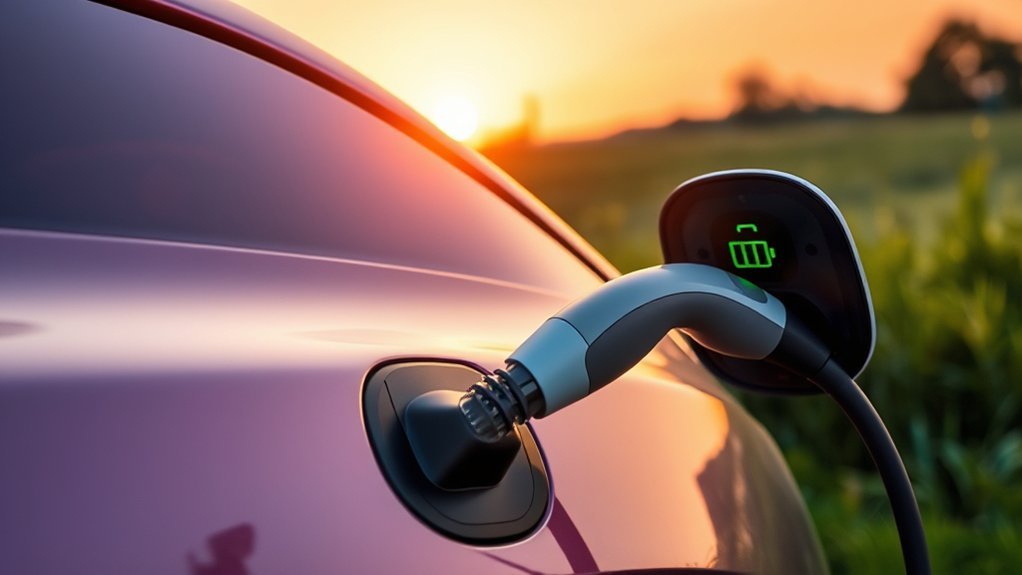
Charging habits impact the long-term health of your battery more than almost any other factor. Aim for a consistent range and use slower charging methods whenever you have enough time.
Optimal Charge Levels
Keeping your battery between 20% and 80% protects the internal cells from stress. Constantly charging to 100% forces the battery to hold maximum voltage, which accelerates chemical degradation.
Reserve a full 100% charge only for long road trips. For daily commutes, stop your charging session at 80% or 90%.
Store your vehicle at approximately 80% if you plan to leave it parked for an extended period. Avoid letting the battery drop to 0% or sit empty, as this causes lasting damage to the cell chemistry.
Avoid Fast Charging
DC fast charging delivers high voltage rapidly, which generates significant internal heat. Frequent reliance on these chargers leads to faster capacity loss compared to using standard AC charging.
Use standard home or workplace chargers for your daily driving needs. Reserve fast chargers for road trips where time is a priority. Consistent, moderate charging speeds keep the battery management system working within its ideal parameters.
What Maintenance Does Your EV Battery Need?
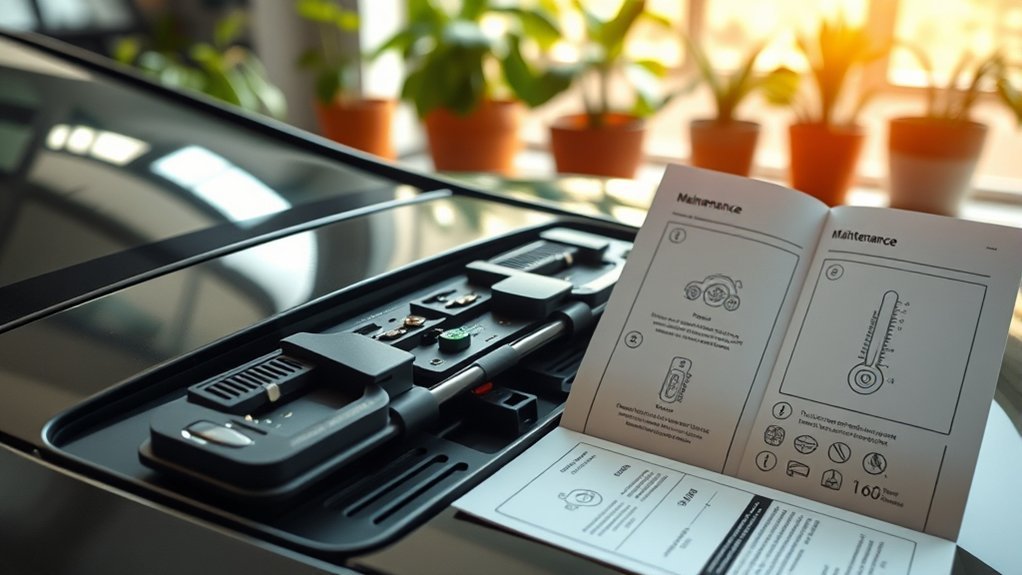
EV batteries require less physical maintenance than combustion engines, but they still need your attention. Follow the service intervals recommended in your owner’s manual to ensure the cooling system functions correctly.
Keep the charging port and surrounding area clean to prevent debris from blocking connections. Regularly check your vehicle dashboard for notifications regarding the battery management system.
Always consult your manufacturer’s manual before using third-party battery testers or diagnostics tools. Improper tools can sometimes interfere with sensitive vehicle electronics. Always consult a qualified professional before making decisions based on this information.
How Does Temperature Affect Battery Health?
Temperature extremes remain the primary enemy of battery efficiency. Heat causes chemical reactions that permanently lower capacity, while cold weather primarily creates temporary resistance that reduces your range.
High Heat Impact
High temperatures accelerate the aging process inside your battery cells. Parking on hot pavement or in direct sunlight raises the battery temperature, even when the car sits idle.
Park in a garage or shaded area whenever possible to protect the battery pack. Keeping your vehicle plugged in during extreme heat allows the onboard temperature management system to run efficiently without draining the main battery.
Try to keep your state of charge near 50% if you know the vehicle will face high heat for several days. This reduces the pressure on the battery cells compared to a fully charged state.
Cold Weather Considerations
Cold weather increases internal resistance, which limits the power output of your battery. You will notice a temporary drop in driving range until the battery warms up during use.
Park in a garage during winter to keep the battery warmer. If possible, plug the car in while parked, as the system often uses grid power to keep the battery at a safe, operational temperature.
Do not let your charge drop to critically low levels during freezing conditions. A battery with a low charge is more susceptible to freezing and may refuse to start until warmed.
Gentle Driving Tips for Better EV Battery Life
Your driving style directly impacts the heat generated within the battery pack. Aggressive acceleration requires a sudden, massive burst of energy that strains the cells.
Use smooth, gradual acceleration to extend battery life and improve your efficiency. This reduces heat production and minimizes long-term wear on the electrical components.
Avoid using “boost” modes or excessive acceleration for daily errands. These features are meant for occasional use and contribute to faster capacity degradation if used constantly.
Monitoring Your Battery Health Effectively
Most modern electric vehicles include built-in monitoring systems that track battery health over time. Use the manufacturer’s mobile app to view your battery statistics and charging history.
Watch for signs of unexpected battery health drops, such as a sudden loss in total range on a full charge. If the range falls below the percentage threshold defined in your warranty, contact your dealer for a diagnostic check.
Familiarize yourself with your region’s specific consumer protection laws regarding EV battery performance.
Avoiding Common Mistakes in EV Battery Care
Many owners treat their EV like a smartphone, but battery management requires more nuance. Avoid these common errors to ensure your vehicle lasts:
- Charging to 100% daily instead of sticking to the 80% sweet spot.
- Relying exclusively on DC fast chargers for regular daily commutes.
- Ignoring warning signs like slow charging speeds or range loss.
- Parking in direct sun for long periods during high-heat months.
- Driving aggressively and using the full power of the motor at every stoplight.
Preventing Battery Degradation: Key Strategies
Preventing degradation starts with limiting stress. Keep your charge level within the recommended 20% to 80% window to avoid volatile high or low charge states.
Prioritize standard charging speeds to keep cell temperatures manageable. Keep the battery cool by seeking shade and using the vehicle’s internal thermal management system.
Software updates are essential because they often include improvements for charging logic and battery balancing. Stay consistent with your maintenance routine to keep your EV running reliably for years.
Frequently Asked Questions
Can I Leave My Electric Car Plugged in Overnight?
Yes, you can leave your car plugged in overnight. Modern battery management systems stop charging automatically once the target level is reached, preventing overcharge risks.
How Does Battery Age Affect Performance?
As the chemical components age, the battery loses its ability to hold a full charge. You will eventually notice a reduction in total driving range and potentially slower charging speeds compared to when the vehicle was new.
What Happens if I Overcharge My EV Battery?
While modern cars prevent actual overcharging through software, setting the limit to 100% frequently causes premature chemical wear. This leads to long-term capacity loss and reduced efficiency.
Can I Use Public Chargers Regularly Without Issues?
You can use public chargers, but check if they are AC (standard) or DC (fast). Limit your DC fast charging sessions to ensure you don’t expose your battery to excessive heat cycles.
Are There Any Signs My Battery Needs Replacement?
Warning signs include a significant, permanent drop in range, frequent warning lights on your dashboard, or the vehicle refusing to hold a charge after a full session. Consult a technician if these issues persist.
Conclusion
Treat your electric car battery with consistent care to ensure it serves you for many years. Focus on maintaining a moderate charge level and avoiding extreme temperatures to prevent unnecessary capacity loss. Follow these simple practices to protect your range and enjoy a reliable driving experience for the long haul.







Leave a Reply