Quick Answer
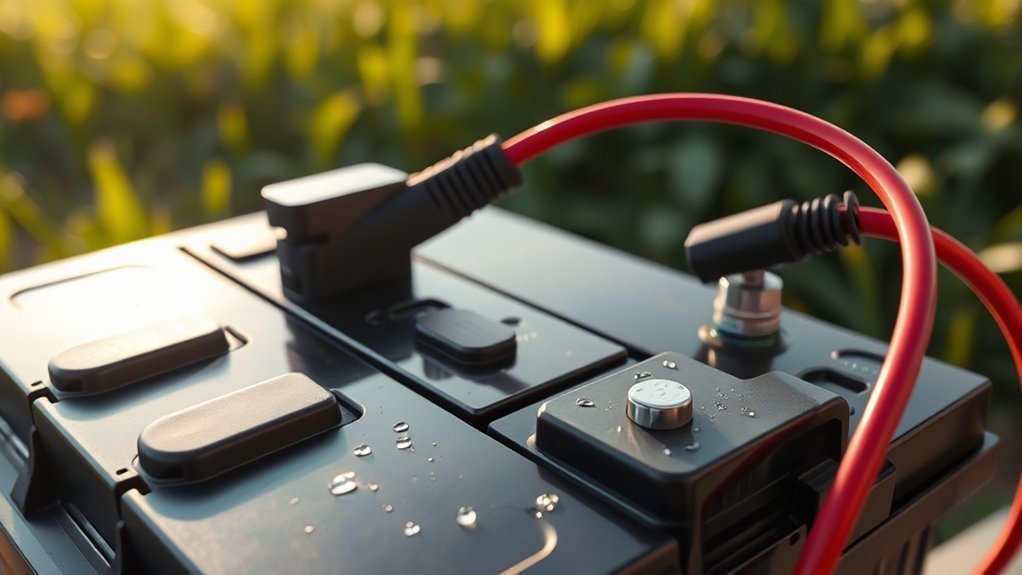
Trickle charging keeps your car battery at full capacity by providing a slow, steady stream of power that matches its natural self-discharge rate. Always verify charger compatibility with your specific battery type, secure the connections properly, and follow the manufacturer’s safety instructions to avoid overcharging.
You rely on your car battery to start the engine, but periods of inactivity can leave you with a vehicle that won’t turn over. Trickle charging keeps your battery healthy and ready to drive by mimicking a gentle, constant power flow. This guide explains how to use a trickle charger safely to extend the life of your car battery.
Key Takeaways
- Verify charger specifications to ensure compatibility with your battery before starting the charging process.
- Attach the grounding clip to the vehicle frame to prevent electrical shorts.
- Connect red clips to the positive terminal and black clips to the negative terminal.
- Ensure the charger stays in the off position until you connect it to a power outlet.
- Perform monthly checks to monitor battery health and ensure the charger functions correctly.
How to Trickle Charge Your Battery: A Step-by-Step Guide
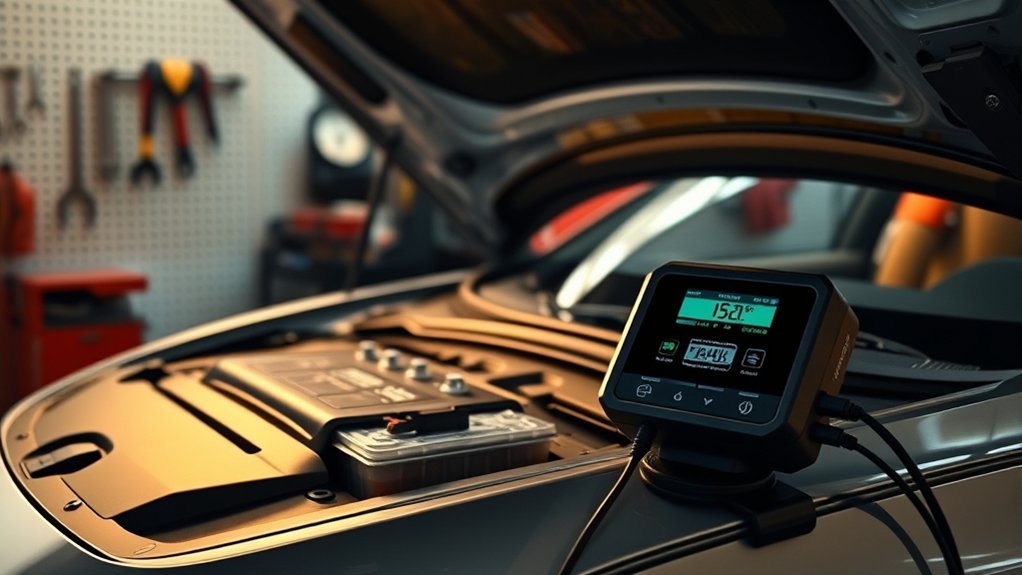
First, verify the voltage and amperage of your charger. You must match these settings to your battery specifications to ensure the unit is compatible.
Next, ground the charger by attaching the grounding clip to the vehicle frame. This step enhances your safety during the process. Connect the red clip to the positive terminal, then attach the black clip to the negative terminal. Ensure these connections remain tight and secure.
Confirm the charger is in the off position before plugging it into a power outlet. Once plugged in, switch the unit on and check the display to verify the correct voltage and amperage settings. Monitor the charger occasionally for signs of power flow and perform monthly checks to ensure the battery remains in good condition during storage.
Benefits of Trickle Charging for Your Car Battery
Trickle charging maintains optimal voltage and prevents premature battery failure. It offsets the natural self-discharge rate that occurs when a vehicle sits idle for weeks or months.
These chargers operate at low currents, typically between 1 and 3 amperes. This low-intensity approach minimizes stress and prevents the battery from overheating. Many modern chargers also include smart technology that adjusts output levels automatically to prevent overcharging. Consistent use saves money on premature replacements by keeping the battery in peak condition.
Top 5 Mistakes to Avoid When Trickle Charging Your Car Battery
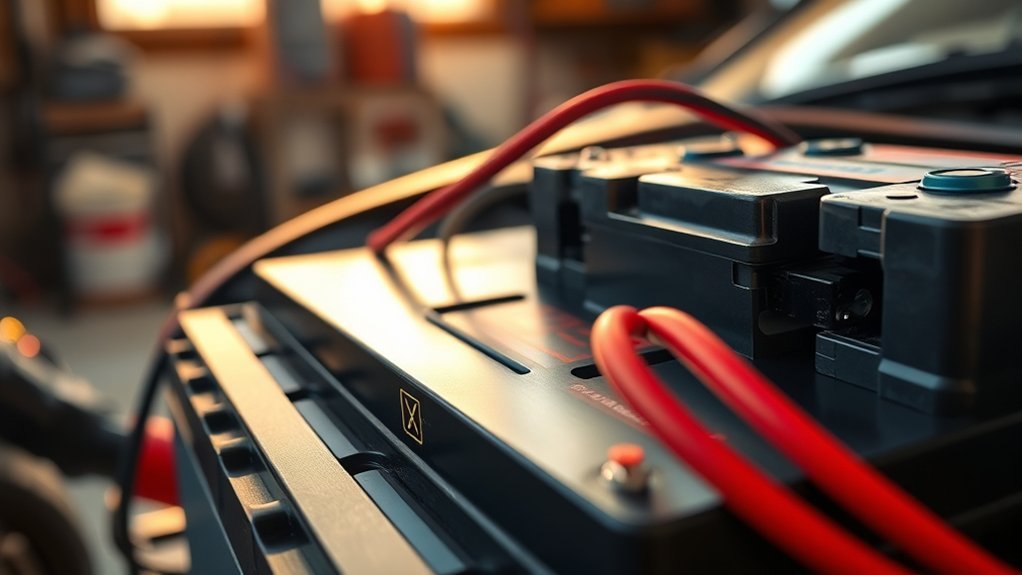
Careful attention to detail prevents common charging hazards. Avoid these frequent mistakes to ensure your safety and the longevity of your equipment:
- Using a charger with incompatible voltage or amperage settings.
- Ignoring the grounding process, which increases the risk of electrical issues.
- Attaching clips loosely, which often causes sparks or poor charging performance.
- Plugging the charger into an outlet while the device remains switched on.
- Leaving a non-automatic charger connected for too long without supervision.
Basics of Trickle Charging
Trickle charging supplies a continuous, low-level current to keep a battery at full charge. This method works well for lead-acid and sealed lead-acid batteries, which handle low-current maintenance better than other chemistries.
Chargers come in several varieties, including standard, smart, and solar models. A smart charger detects when the battery reaches full capacity and switches to a float mode, which stops the active charging process to prevent damage. Always consult your vehicle manual before using specialized charging equipment. Always consult a qualified professional before making decisions based on this information.
Frequently Asked Questions
Can I Use a Trickle Charger for All Battery Types?
No, you cannot use a single trickle charger for every battery. Lead-acid batteries generally respond well to these chargers, but lithium-ion and AGM batteries often require specific charge profiles. Check your battery label or owner manual to verify compatibility before use.
How Do I Know if My Battery Is Fully Charged?
A healthy 12-volt car battery typically reaches a full charge at approximately 12.6 volts. Most modern smart chargers include LED indicators that turn green or display a solid light to signal the process is complete.
Is It Safe to Leave a Trickle Charger Connected Indefinitely?
Avoid leaving a basic manual charger connected indefinitely, as this leads to overcharging and permanent damage. If you must leave the charger connected for long periods, use a smart charger that features an automatic shut-off or maintenance mode.
Will Trickle Charging Fix a Dead Battery?
Trickle charging helps maintain a battery but cannot repair a dead one. If the internal cells fail, the battery will no longer hold a charge regardless of how long you leave it connected. You may need to replace the battery if it fails to start the engine after a full charge cycle.
What Is the Ideal Charging Time for a Trickle Charger?
While a trickle charger provides a slow flow, many batteries require 8 to 12 hours to reach full capacity from a depleted state. If you use a smart charger, you can leave it connected safely during the charging phase until the indicator shows it is finished.
Maintaining Your Battery Health
Consistent maintenance prevents unexpected failures and ensures your car starts reliably. Inspect your battery terminals for corrosion periodically and keep them clean with a wire brush.
If you plan to store your vehicle, place the battery in a cool, dry area if possible. Follow these simple steps to preserve your battery’s storage life for many years.
A trickle charger is a simple tool that keeps your car ready for the road. By following these basic steps and avoiding common mistakes, you extend the life of your battery and prevent unexpected power issues. Invest in a quality smart charger today to keep your vehicle battery at its peak performance level.







Leave a Reply