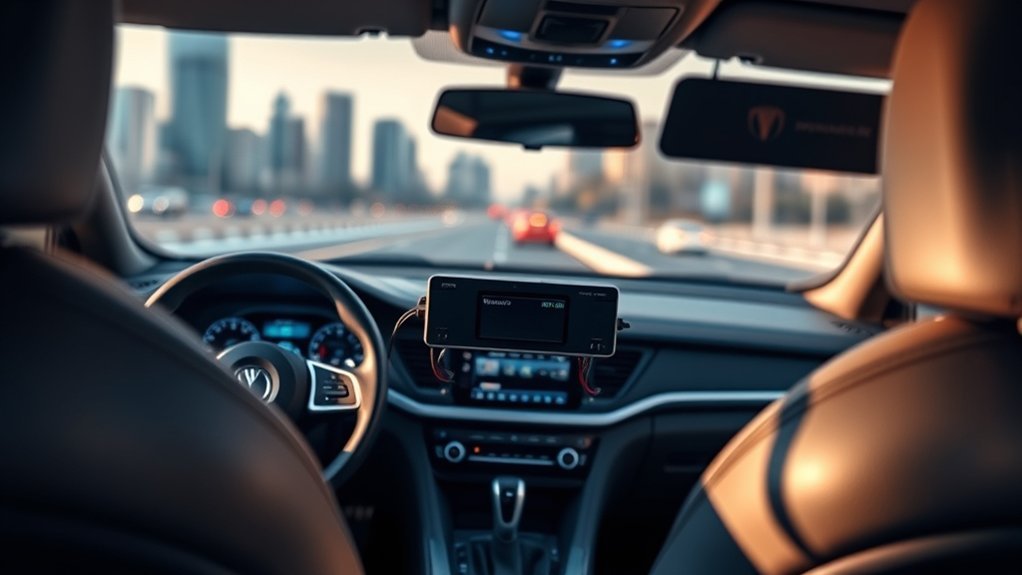
Car insurance costs often feel out of your control, especially for new drivers facing high rates. A telematics black box changes this by putting your driving habits in the spotlight. This small device tracks how you drive and sends the data to your insurer. Read on to learn how this technology can lower your premiums and improve your safety on the road.
Quick Answer
A telematics black box is a small device installed in your car that tracks your driving habits, such as speed and braking. Insurance companies use this data to calculate your risk level and adjust your premium. Safe drivers often earn significant discounts, making it a smart choice to reduce insurance costs.
Key Takeaways
- Tracks speed, braking, and acceleration to measure your crash risk.
- Uses GPS and sensors to send accurate driving data to your insurer.
- Gives you instant feedback so you can build safer driving habits.
- Helps police find your car if someone steals it.
- Customizes your insurance rates based on how safely you drive.
Why Telematics Black Boxes Matter for Auto Insurance
Auto insurance rates depend heavily on your driving record. A telematics black box gives insurers real proof of your driving skills. The device monitors your speed, braking, and acceleration during every trip.
Insurers review this data to calculate a custom insurance premium just for you. Safe drivers earn discounts, which helps young drivers save hundreds of dollars each year. According to industry experts, young drivers who install a black box often see the largest premium drops in their first year.
This technology also forces you to pay closer attention to the road. The device gives you scores and feedback on your trips. When you know your insurer is watching, you naturally avoid risky maneuvers. By analyzing your driving patterns, insurers reward safe behaviors with lower rates. Risky driving will trigger rate increases.
Core Features of Telematics Technology
Telematics systems combine several tools to protect drivers and assist insurers. The hardware collects precise data and monitors your car in real time. These features encourage safer driving and help insurers build accurate risk models.
Accurate Data Collection
Accurate data forms the foundation of telematics insurance. The device uses GPS tracking and motion sensors to measure your speed, location, and braking force. This precise information gives your insurer a true picture of how you handle a vehicle.
The insurer then assigns you a driver rating based on this data. A high rating lowers your premium, while a low rating increases your costs. Many insurers now offer smartphone apps to collect this data. These apps make telematics simple and easy for anyone to use.
Real-Time Monitoring Capabilities
The black box monitors your vehicle the moment you turn the key. It records your speed and braking habits constantly. The device then sends this information over cellular networks to your insurance provider.
You can check your driving scores through an app and adjust your habits to save money. The live GPS signal also helps police track down stolen vehicles quickly.
| Feature | Benefit for Drivers | Benefit for Insurers |
|---|---|---|
| Continuous Monitoring | Improves driving skills | Ensures accurate risk assessment |
| Instant Feedback | Builds safer habits | Customizes insurance policies |
| GPS Tracking | Aids vehicle recovery | Speeds up claims process |
| Driving Behavior Data | Lowers insurance premiums | Guides underwriting decisions |
Built-In Safety Upgrades
Telematics technology makes the roads safer for everyone. The black box gives you immediate feedback when you brake too hard or accelerate too fast. Insurers use this exact data to offer usage-based insurance plans.
A growing number of drivers now use telematics to lower their rates and improve their skills. The GPS tracker also supplies solid evidence during accident claims. This exact data helps insurance adjusters close claims faster.
How Black Boxes Track Your Driving Habits
Telematics hardware tracks your every move behind the wheel. The device relies on advanced sensors and global positioning systems to gather critical metrics. Insurers read this data to predict your chances of getting into an accident.
Data Collection Methods
A network of internal sensors tracks your car as you drive. The telematics black box records your speed, hard braking, rapid acceleration, and sharp cornering. The device transmits these details to your insurance provider over a secure network.
Insurers use this continuous stream of data to build your personalized risk profile. Some providers now offer smartphone applications, like Zego Sense, that track your trips without requiring a physical box. These mobile systems also record what time of day you drive.
Driving Behavior Analysis
Telematics systems score your driving performance after every trip. The software looks for risky habits like speeding or harsh braking. Your final driving score directly impacts your monthly or annual insurance rate.
| Driving Behavior | Impact on Crash Risk | Effect on Premiums |
|---|---|---|
| Speeding | Increases crash risk | Higher premium rates |
| Hard braking | Indicates aggressive driving | Lower driving score |
| Nighttime driving | Raises accident probability | Adjusted rate calculations |
| Smooth cornering | Shows vehicle control | Better driving scores |
| Consistent driving | Proves low risk | Maximum potential discounts |
Can a Black Box Cancel Your Insurance Policy?
Many drivers worry that a single mistake will cost them their coverage. Most insurers will not cancel your policy for a minor speeding event or one hard stop. However, extreme driving behavior can trigger a cancellation.
If the black box records extreme speeding or reckless driving, the insurer may terminate your policy. Always review the terms of your telematics agreement to understand the strict limits of the program.
Major Benefits of Black Box Car Insurance
Data-driven insurance plans offer a great deal for careful drivers. Telematics insurance bases your rate on your actual driving rather than your age or location. Young drivers face the highest average insurance costs, making black box plans highly attractive.
A safe young driver can save a massive amount of money during their first few years on the road. The system also makes you more aware of your speed and braking habits. When an accident happens, the recorded data proves exactly what occurred.
Potential Drawbacks of Telematics Insurance
Telematics insurance gives you a chance to save money, but it brings a few distinct challenges. Professional installation can cost extra money and take up your valuable time. Privacy stands out as a major concern for many drivers.
The device tracks your exact location and driving habits constantly. Some drivers feel uncomfortable letting a company monitor their daily routes. Poor driving scores will also hurt your wallet.
If you drive late at night or brake too hard, your insurer will raise your rates. Make sure you read the policy rules before you agree to constant monitoring. Always consult a qualified insurance agent to confirm if a telematics policy fits your driving schedule and privacy preferences.
How to Install Your Telematics Device
You can set up a plug-in telematics device in just a few minutes. First, locate your car’s OBD-II port. Manufacturers usually place this port under the dashboard near the steering wheel.
Read the instructions from your insurer and push the device firmly into the port. Watch for a flashing light to confirm the device has power. Next, download the insurer’s smartphone app and link it to your account.
The app receives the data from the device and shows your driving scores. Check the app every week to see where you can improve your driving. Safe driving will steadily increase your score and earn you a lower rate.
The Future of Telematics and Usage-Based Insurance
Insurance technology moves fast, and usage-based plans lead the charge. Industry experts expect these trends to shape the next decade of auto insurance:
- Higher Adoption Rates: More drivers will choose telematics plans to fight rising insurance costs.
- Mobile App Dominance: Insurers will replace physical black boxes with advanced smartphone apps that use built-in phone sensors.
- Custom Pricing: Companies will rely entirely on live data to price premiums, moving away from age and location metrics.
- Strict Privacy Controls: Insurers will need to offer better data protection to win over skeptical drivers.
These changes will force the insurance industry to prioritize fairness and transparent pricing.
Frequently Asked Questions
What Is the Difference Between a Black Box and a Telematics App?
A black box is a physical device that plugs directly into your car to read engine and motion data. A telematics app runs on your smartphone and uses the phone’s internal GPS and motion sensors to track your trips. Both systems track your driving behavior, but apps offer more flexibility.
How Much Money Can I Save With Black Box Insurance?
Your savings depend heavily on your driving habits and your age. Young drivers with safe habits often save the most, sometimes cutting their premiums by up to 30 percent. Insurers reward smooth braking, steady speeds, and daytime driving with the biggest discounts.
Do Telematics Devices Track the Speed Limit?
Yes, telematics devices track your vehicle speed using GPS technology. The system compares your speed against the local speed limit for the road you are traveling on. Excessive speeding will lower your driving score and increase your insurance premium.
What Are the Main Disadvantages of Telematics?
The biggest disadvantage is the loss of privacy. The insurer tracks your location, speed, and driving times constantly. You also face strict penalties and higher rates if you work night shifts or frequently drive on high-risk roads.
Conclusion
Telematics black boxes give you the power to control your own auto insurance costs. By tracking your speed and braking habits, insurers can offer fair rates based on real evidence rather than statistics. Check with your current insurance provider to see if they offer a usage-based discount program. Taking advantage of this technology helps you save money and makes you a much safer driver.





Leave a Reply