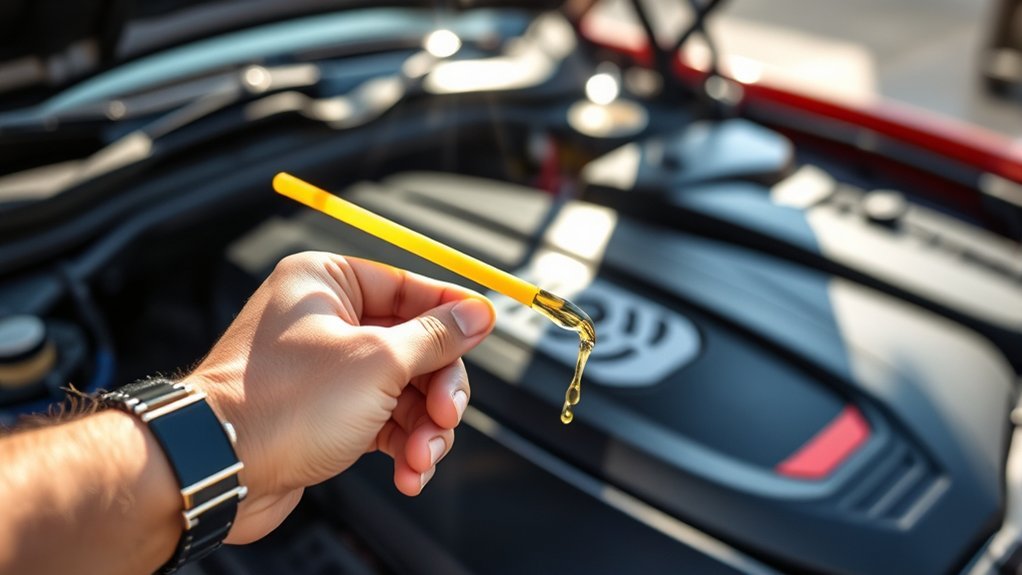
Neglecting your car’s motor oil can destroy the engine in miles. A simple dipstick check saves you from catastrophic repair bills. This guide shows you exactly how to read your engine oil level properly.
Quick Answer
To check your car’s oil level, park on level ground and turn off the engine. Pull out the dipstick, wipe it clean with a rag, fully reinsert it, and pull it out again. The oil streak should sit between the minimum and maximum indicator marks on the metal stick.
Key Takeaways
- Park your vehicle on a flat surface before starting the fluid check.
- Pull the dipstick out, wipe it clean, and reinsert it for an accurate reading.
- Keep the engine oil level between the minimum and maximum indicator marks.
- Add fresh motor oil slowly using a funnel if the level drops too low.
- Assess oil texture along with color; dark oil with a gritty feel requires an immediate change.
How to Check Your Car’s Oil Level
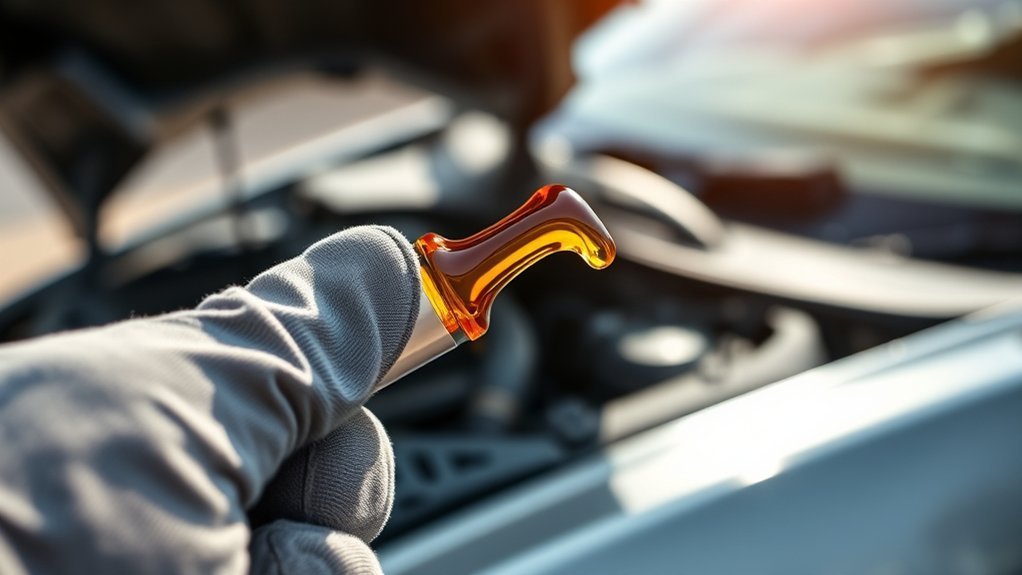
You must check the oil level regularly to keep your car running smoothly. Begin by parking your vehicle on level ground. Turn off the ignition and let the engine rest for a few minutes.
Open the hood and locate the engine oil dipstick. Automakers usually mark the handle with a bright orange or yellow plastic ring. Pull the stick completely out of the metal tube.
Wipe the metal stick clean with a rag or paper towel. Reinsert the dipstick fully into the tube, wait one second, and pull it back out to read the level.
Your owner’s manual provides the most accurate fluid maintenance schedule. Never guess your oil change intervals based on outdated advice.
You need to add fresh motor oil if the level falls below the minimum mark. Place a clean funnel in the engine filler hole to prevent spills. Pour the oil slowly and measure the level again.
You should inspect your engine oil every few weeks or during every gas station visit. Frequent inspections help your vehicle run efficiently and prolong total engine life.
Should You Check Car Oil Hot or Cold?
Many mechanics debate the best time to check engine oil. Warm checks often provide more accurate readings because modern synthetic oils expand when hot. Many manufacturers specifically design their dipsticks to read warm oil.
You should wait five to ten minutes after turning off a warm engine before checking the fluid. This brief pause allows the circulating oil to drain back down into the lower oil pan.
Cold checks happen after the car sits overnight. All the engine oil rests in the pan, which prevents false low readings. Read your owner’s manual to find out which method your specific car requires.
Cold Check Accuracy
Many drivers inspect oil levels before starting the engine in the morning. This method guarantees all the fluid rests deep in the sump pan. A cold engine also prevents you from burning your hands on hot metal exhaust parts.
To get an accurate cold reading, follow these specific steps:
- Park the car on a perfectly flat surface overnight.
- Pull the dipstick and wipe away the residual oil film.
- Reinsert the stick fully to measure the true resting oil level.
- Accept minor discrepancies, as both hot and cold checks have safe margins of error.
Keep these tips in mind to effectively track your engine fluid levels and prevent major mechanical damage.
Warm Check Benefits
Checking your oil at standard operating temperature offers a few distinct advantages. Warm oil mimics the exact state of the fluid while you drive down the road.
Many modern auto brands, including Hyundai and Ford, calibrate their engines for warm oil readings. Warm oil expands inside the hot engine block. A cold check on a modern vehicle might display a false low level.
You might accidentally overfill the engine if you add fluid based on a cold reading. Always wait five minutes after you turn off the hot engine. The oil needs time to flow out of the upper engine components.
How to Read an Oil Dipstick
The oil dipstick functions as a simple diagnostic tool for your engine. You must understand the engraved markings to maintain your vehicle properly.
- MIN Mark: Oil below this line means you must add a quart immediately to prevent internal engine friction.
- MAX Mark: This top line shows a completely full oil pan. Never fill the motor oil past this specific point.
- Oil Color: Fresh engine oil looks transparent and amber. Normal use turns oil dark, but gritty or sludgy dark oil demands an immediate fluid change.
- Crosshatch Area: Many sticks feature a textured middle section. Your ideal oil level should sit directly inside this textured zone.
Always consult your owner’s manual. Automakers use different holes, letters, or indicator lines to designate safe fluid ranges.
What to Do If Your Engine Oil Is Low
You must act quickly when you discover a dangerously low oil level. Consult your owner’s manual first to identify the exact oil weight and type your engine requires. Pouring the wrong viscosity oil into the engine can cause severe internal damage.
Place a clean funnel into the oil filler hole on top of the engine block. Pour exactly half a quart of fresh oil into the funnel. Overfilling the crankcase creates dangerous internal pressure that blows out rubber engine seals.
Wait one full minute after pouring the liquid. This gives the fresh oil enough time to travel down into the main oil pan. Pull the dipstick again to verify your new volume.
| Step | Action | Purpose |
|---|---|---|
| 1 | Check fluid level | Identify current oil volume |
| 2 | Consult manual | Find correct oil viscosity |
| 3 | Pour fresh oil | Restore safe fluid levels |
| 4 | Wait and recheck | Verify accurate dipstick reading |
| 5 | Watch for leaks | Prevent further engine damage |
Take your car to a certified mechanic immediately if the oil level drops again within a few days. You likely have a damaged gasket or a hidden fluid leak.
How to Check Engine Oil Quality
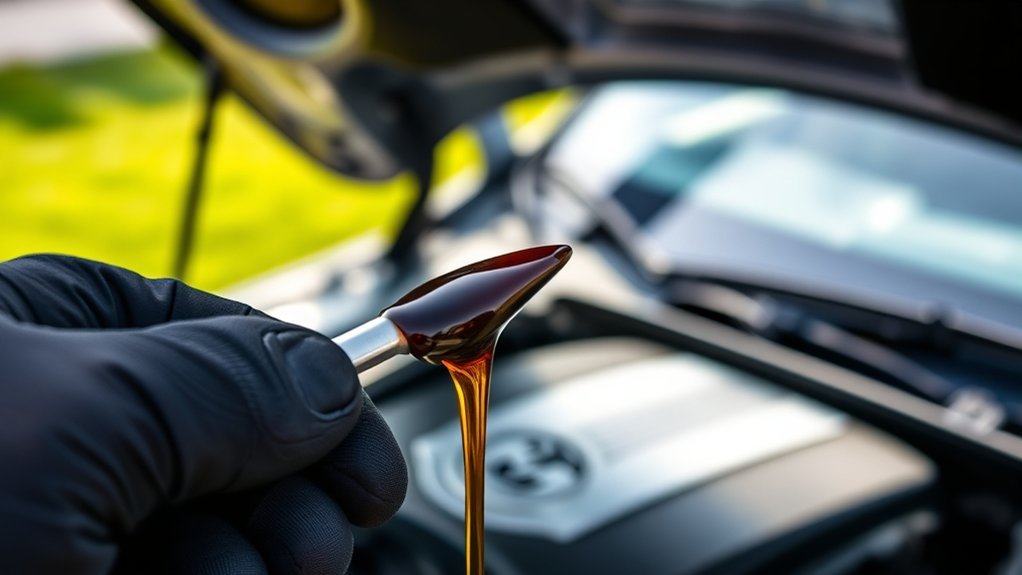
You protect your engine by checking the actual condition of the oil, not just the volume. The dipstick reveals crucial clues about internal engine health. Here is what you should look for:
- Assess Color and Texture: Clean oil looks like transparent honey. Dark oil simply means the fluid is trapping dirt, but a thick or gritty texture means the oil filter failed.
- Smell for Gasoline: Sniff the dipstick quickly. A strong gas smell indicates raw fuel is leaking past the piston rings into the oil pan.
- Look for Milky Streaks: White or milky foam on the dipstick signals coolant leaking into the oil system. You face a blown head gasket if you see this milky fluid.
- Rub the Oil: Pinch a drop of oil between your thumb and index finger. You must schedule an oil change if the liquid feels abrasive like sandpaper.
According to the Car Care Council, regular visual oil inspections help drivers catch severe engine problems early.
How Often Should You Check Your Oil?
You should inspect your oil level at least once a month. Make it a habit to pop the hood every second or third time you visit the gas station. Frequent checks help you spot slow fluid leaks before they trigger a dashboard warning light.
Mechanics used to recommend oil changes every 3,000 miles. Modern engine designs and high-quality synthetic oils safely extend this maintenance interval. Recent data shows most modern vehicles only need fresh oil every 5,000 to 10,000 miles.
Many new cars feature digital oil monitors on the dashboard screens. You should still perform manual dipstick checks to verify the electronic sensor works correctly. A faulty digital sensor could hide a dangerously empty oil pan.
Checking your oil quality routinely prevents extreme engine wear and dangerous overheating. Always consult a qualified mechanic if you notice a sudden drop in engine performance.
Where to Find Professional Oil Change Services
You might prefer to hire a professional mechanic for routine fluid maintenance. Local auto shops provide fast service and protect your engine health.
Keep these service options in mind for your next maintenance visit:
- Dedicated Lube Shops: Chains like Jiffy Lube specialize in rapid oil changes. They check all vital vehicle fluids during a standard garage visit.
- Tire Centers: Major tire shops often provide basic mechanical services. Places like Les Schwab handle fluid changes while you buy new tires.
- Dealership Service Centers: Dealerships cost more but use factory-certified filters and fluids. They know the exact oil specifications for your specific engine.
- Independent Mechanics: Local repair shops often build strong trust with drivers. They check your entire engine thoroughly during routine fluid changes.
Always ask your mechanic to show you the dipstick before you pay for the service. You can physically verify the fresh oil reaches the maximum line.
Frequently Asked Questions
How do you read a car oil dipstick correctly?
You pull the dipstick out of the engine and wipe it completely clean with a rag. Slide the stick all the way back into its tube, pull it out again, and look at the tip. The oil film must sit between the two designated indicator holes or lines.
Should you check engine oil hot or cold?
You can check engine oil in both states, but many auto manufacturers prefer a warm check. A hot engine mimics actual driving conditions since synthetic oil expands when heated. You must wait five to ten minutes after turning off the car to let the fluid settle.
Can you check the oil with the car running?
You must turn the engine off before checking the motor oil. A running engine actively pumps fluid up into the internal cylinders and valves. Pulling the dipstick while the motor runs produces a false low reading and sprays hot oil out of the tube.
How often should a driver check engine oil?
You should inspect your engine oil level once every month. Drivers with older vehicles or cars with high mileage should check the dipstick every time they fill up the gas tank. Catching a low oil level early prevents catastrophic engine damage.
Action Steps for Engine Health
Checking your engine oil requires no special tools and takes less than two minutes. This simple habit protects your vehicle from severe damage and expensive mechanic bills. Buy a fresh quart of the correct oil today and keep it in your trunk for roadside emergencies. Take control of your car’s basic fluid maintenance to guarantee a smooth and reliable ride for years to come.







Leave a Reply