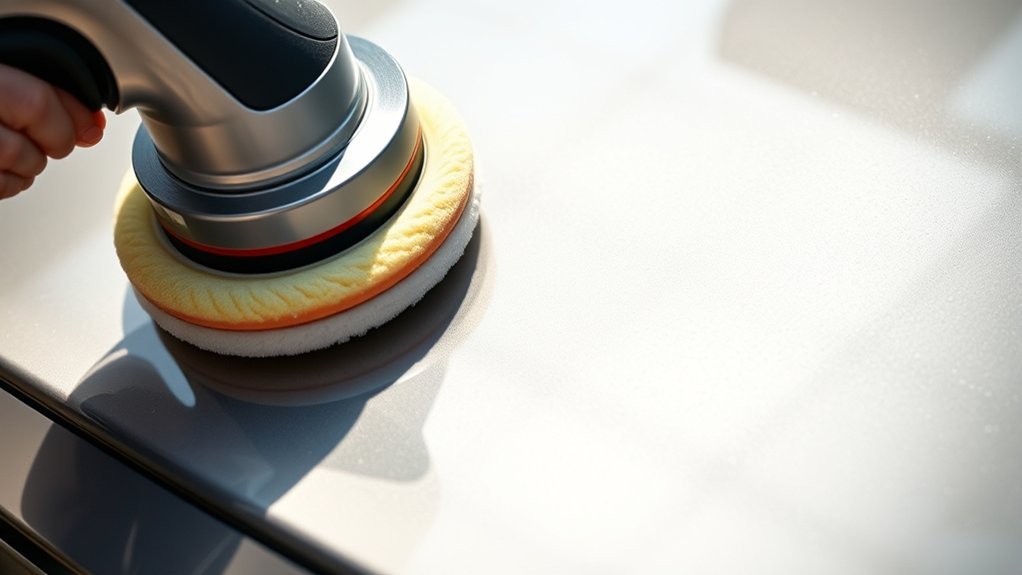
A careless driver bumps your parked car, leaving an ugly paint transfer mark on your door. You do not need an expensive trip to the auto body shop to fix this common damage. With the right supplies and a few simple steps, you can remove these surface blemishes at home and restore your flawless finish.
Quick Answer
To buff scuffs out of car paint, first wash the area and use a clay bar to remove surface dirt. Apply a heavy-duty buffing compound to a foam pad and work it into the scuff using circular motions. Wipe away the residue with a microfiber towel, then apply car wax to protect the repaired clear coat.
Key Takeaways
- Clean the affected panel to remove loose dirt and grit before starting the buffing process.
- Use a clay bar with a liquid lubricant to pull embedded contaminants off the clear coat.
- Apply a heavy-duty buffing compound with a foam pad to scrub away the paint transfer.
- Buff the area using firm circular motions, working in small sections for even coverage.
- Finish by wiping the panel with a microfiber towel and applying car wax for a protective shine.
How Car Scuff Marks Form and What Causes Them
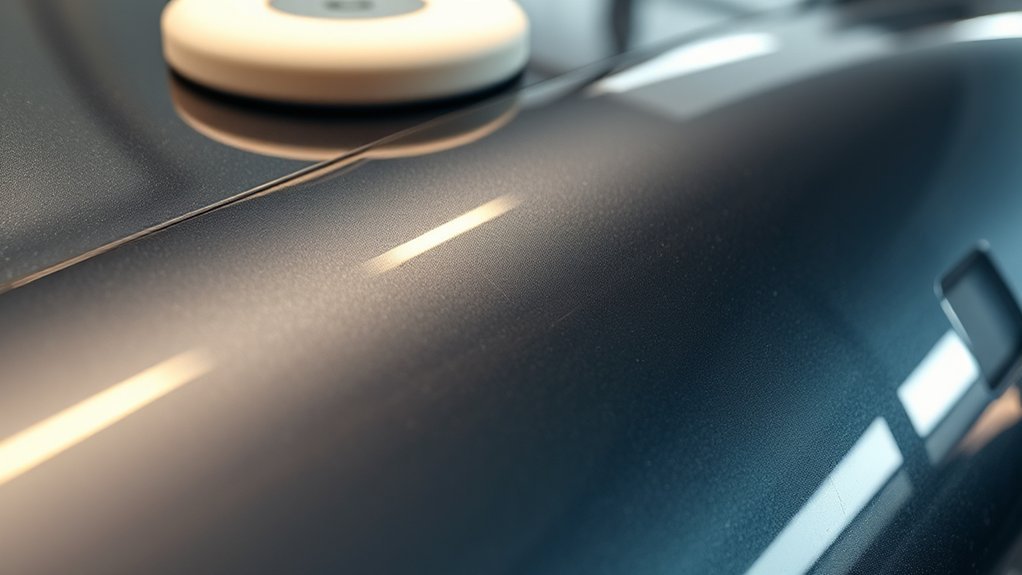
Scuff marks happen when another object rubs against your car and leaves behind a thin layer of material. Auto detailers call this surface-level damage paint transfer. Common culprits include runaway shopping carts, careless car doors, and rubber shoe soles dragging across door sills.
The impact type determines the mark’s severity. Light impacts leave material resting gently on top of the clear coat. Heavier impacts might press harder, leaving thicker residue that requires more effort to remove. Because scuffs sit entirely on top of the paint, you can easily remove them without causing permanent harm to your vehicle.
Prompt removal stops the paint from degrading further. Understanding how these marks form empowers you to choose the exact right tools to clean them off.
How to Remove Scuff Marks Safely
Minor blemishes quickly ruin a perfect exterior. Start by washing the damaged panel with car soap and water. This removes loose dirt and prevents you from grinding sharp grit into the clear coat.
Next, spray a clay lubricant directly over the scuff. Glide an automotive clay bar across the wet surface to lift away bonded dirt and smooth out the repair zone.
A clay bar lifts bonded surface contaminants, creating a perfectly smooth canvas for safe paint correction.
Apply a few drops of heavy-duty buffing compound to a foam applicator pad. Rub the compound into the scuff using firm, circular motions. Always work in a shaded area so the compound stays wet and workable on the paint.
Wipe the panel clean with a plush microfiber towel to remove the hazy residue. Inspect the spot closely for any remaining marks. Finally, spread a thin layer of car wax over the area to protect your newly corrected clear coat.
Essential Supplies for DIY Paint Correction
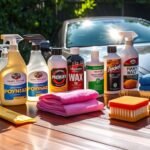
Using the right tools prevents accidental scratches during the repair process. You need specific detailing products to achieve a professional result at home without dulling your finish.
Gather these essential items before you begin:
- Automotive clay bar and liquid clay lubricant
- Heavy-duty buffing compound
- Foam or microfiber applicator pads
- Clean, edgeless microfiber towels
- Car wash soap and a dedicated wash bucket
Traditional cotton rags will scratch your clear coat, so stick exclusively to microfiber. Always choose automotive-specific chemicals to avoid accidental paint damage. Non-specialized household cleaners often strip protective waxes and dry out factory paint.
Scuffs vs. Deep Scratches: Key Differences
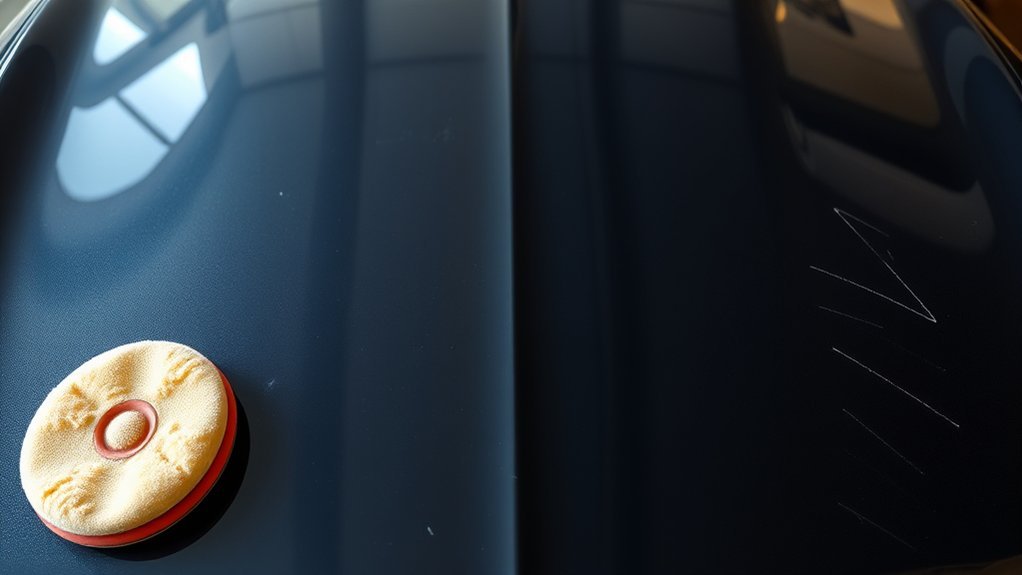
You must identify the exact type of paint damage before starting any repair. Scuffs sit purely on top of the clear coat and respond well to simple hand buffing. Deep scratches cut straight through the clear coat and expose the base color layer beneath.
Understanding Surface-Level Scuffs
Minor friction transfers foreign material onto your car’s clear coat. A rubber bumper leaves a black smudge, while a painted door leaves a colored streak. Because the actual car paint remains untouched underneath, you can safely polish the smudge away.
Softer materials usually leave lighter marks that wash off easily. Harder impacts demand a dedicated buffing compound. Recognizing this surface-level nature helps you fix the issue quickly without calling a mechanic.
Comparing Repair Methods for Scratches and Scuffs
Buffing compound contains microscopic abrasives that gently scrub away paint transfer. This specific process levels the clear coat and restores the original factory shine.
Deep scratches require completely different tools. You cannot buff out a scratch that cuts down to bare metal. These deeper gouges need color-matched touch-up paint, wet sanding, or professional bodywork. Knowing this difference saves you from ruining your paint job through aggressive polishing.
How to Test Paint Damage Depth
Auto detailers use a quick trick to check paint damage. Run your fingernail gently across the scratch or scuff mark. If your nail glides smoothly over the mark, you can safely buff it out at home.
If your nail catches sharply in a groove, the damage cuts deep through the clear coat. This deeper damage requires exact touch-up paint or professional respraying instead of standard polishing compound.
How to Inspect Your Final Paint Correction Results
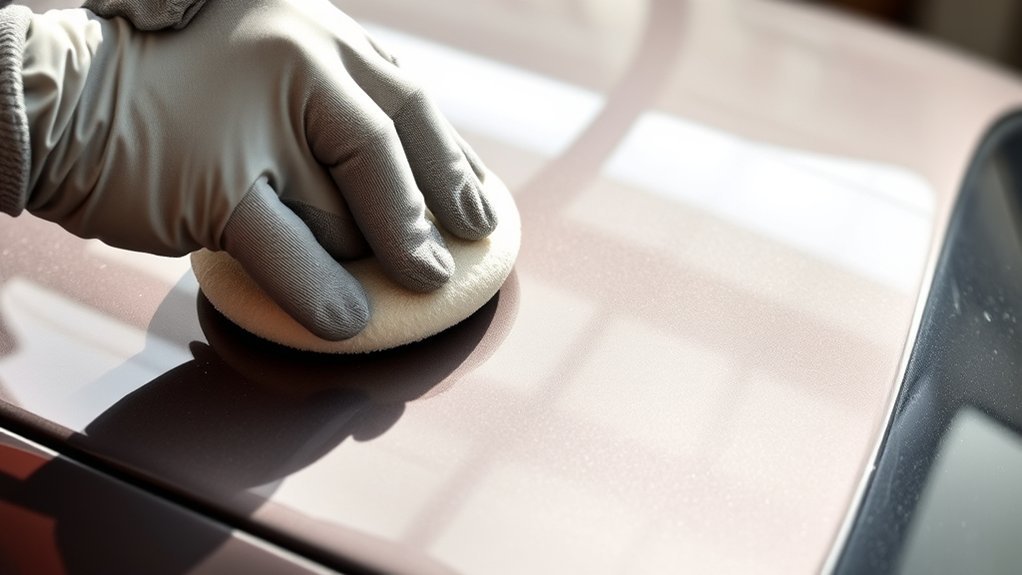
A careful inspection guarantees you removed the entire blemish. Shine an LED flashlight directly onto the repaired panel. This harsh lighting reveals hidden swirl marks and leftover chemical residue.
| Inspection Step | Action |
|---|---|
| 1. Visual Check | Inspect under a bright LED light |
| 2. Surface Cleaning | Wipe down with a clean microfiber towel |
| 3. Final Touch-Up | Apply car wax to lock in the shine |
Wipe the panel one last time with a fresh microfiber towel. If a faint line remains, you may need to apply a tiny dab of touch-up paint. Regular walk-arounds help you spot new marks before they bake permanently into the finish.
When to Hire a Professional for Paint Damage
Some severe damage requires a professional auto body shop. Take your car to an expert if the scratch exposes raw metal or bare plastic. Aggressive buffing on a deep gouge will simply ruin the surrounding clear coat.
Damage larger than a quarter often needs an electric dual-action polisher. Auto detailers carry the specific cutting pads and compounds required for large-scale correction.
Modern water-based factory paints require delicate handling. Trust a professional if you feel unsure about operating a machine polisher on your vehicle. Always consult a certified auto body technician before attempting aggressive polishing on unfamiliar paint finishes.
How to Maintain Your Car’s Finish After Buffing
Freshly buffed paint lacks protection and needs an immediate shield. Spread a high-quality car wax or synthetic sealant over the repaired area to lock in the shine. These products create a slick barrier that deflects minor impacts.
For ultimate durability, apply a liquid ceramic coating. Ceramic coatings resist UV fading and chemical stains much better than traditional paste wax. Regular inspections help you catch new imperfections early before they require intense correction.
Wash your vehicle regularly using a pH-neutral auto shampoo. Avoid automated car washes that use harsh spinning brushes, as these machines cause heavy swirl marks. Park in a garage or under a fabric cover to protect the clear coat from intense sun exposure.
Frequently Asked Questions
How do I buff scuffs out of car paint?
Wash the panel and use an automotive clay bar to remove loose grit. Rub a heavy-duty buffing compound over the mark using a soft foam pad. Wipe away the haze with a microfiber cloth and apply a protective wax.
Can all scuffs be buffed out?
Yes, you can easily buff out most surface scuffs and paint transfer. However, if the impact gouged the clear coat deeply, you will need touch-up paint or professional bodywork.
Is it safe to use a Magic Eraser on car paint?
You should never use a Magic Eraser on car paint. The melamine foam acts like fine sandpaper and will permanently dull your clear coat. Use an automotive polishing compound instead for much safer results.
Can I use 70% isopropyl alcohol on car paint?
Yes, detailers frequently use isopropyl alcohol to clean paint. Dilute the 70% alcohol down to a 10% to 15% solution using distilled water. This mixture safely removes old wax and polishing oils without damaging the clear coat.
Next Steps for a Flawless Finish
Fixing minor paint transfer yourself saves money and keeps your vehicle looking pristine. Cars with excellent exterior condition command significantly higher resale values on the used market. Grab a quality buffing compound, follow these straightforward steps, and restore your clear coat today.





Leave a Reply