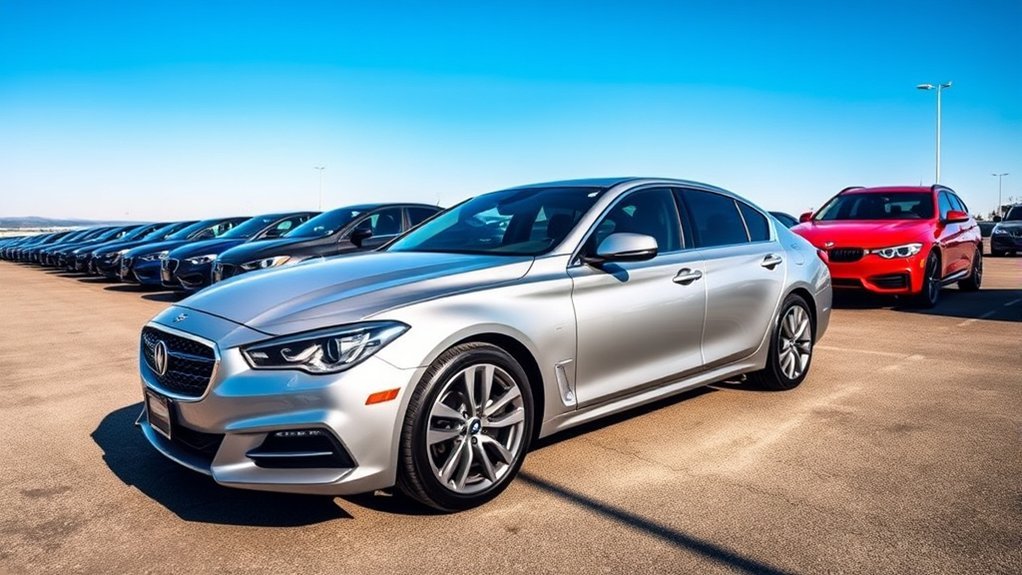
Buying a car that breaks down costs you time, money, and stress. Industry data shows Lexus and Toyota consistently build the most dependable vehicles on the road. This guide breaks down the top car brands and reveals which models will keep you out of the repair shop.
Quick Answer
Lexus and Toyota rank as the most reliable car brands available today. Studies measure reliability by counting the number of problems owners experience per 100 vehicles. Lexus currently leads the industry with the lowest problem rate, making it the safest bet for long-term dependability.
Key Takeaways for Car Buyers
- Lexus ranks as the top dependable car brand with an industry-leading score of 135 problems per 100 vehicles.
- Toyota takes second place with a score of 147, driven by durable models like the Corolla and Camry.
- Buick secures the third spot with a score of 149, excelling particularly in the crossover SUV category.
- Mazda claims fourth place at 185, while Honda and Kia remain strong contenders with averages around 202.
- Standard hybrid cars generally report fewer severe issues compared to fully electric or plug-in hybrid models.
The Most Reliable Car Brands Available

Understanding which car brands perform best can save you thousands of dollars in future repairs. Lexus holds the top spot in recent J.D. Power Vehicle Dependability Studies. The luxury brand boasts a remarkable score of 135 problems per 100 vehicles.
Toyota closely follows its luxury division. The brand earns a strong score of 147 problems per 100 vehicles. Models like the Corolla and Camry drive this success with their proven, long-lasting parts.
Buick secures third place with a score of 149. The brand performs exceptionally well with crossover models like the Enclave. Mazda also shows strong performance, earning fourth place with a score of 185 thanks to the popular CX-5.
Honda and Kia round out the top tier. These brands average around 202 problems per 100 vehicles. Standout models like the Kia Telluride help boost their overall dependability ratings.
How Experts Measure Car Reliability
Understanding how agencies measure reliability helps you make a smarter vehicle choice. Major studies rely on owner surveys to track actual problems over a specific time period. These surveys highlight early ownership flaws and long-term mechanical failures.
Researchers evaluate several vital vehicle components. They look closely at engines, transmissions, and electrical systems. They also track issues with brakes and interior infotainment screens.
Agencies calculate scores based on problems per 100 vehicles, often called PP100. A lower score means owners reported fewer issues. Lexus recorded just 135 problems per 100 vehicles, proving its high level of build quality.
Why Lexus and Toyota Dominate Reliability Tests
Lexus and Toyota consistently beat competitors because of their proven engineering habits. Both brands share common parts across multiple vehicle lines. They also avoid rushing major design changes to the open market.
This slow and steady approach ensures that new models use thoroughly tested components. You benefit directly from this strategy through lower repair bills and higher long-term satisfaction.
Engineering Practices That Reduce Breakdowns
Lexus and Toyota prioritize durability over untested innovations. Their commitment to careful engineering produces cars that simply last longer. Owners experience fewer mechanical failures over the entire life of the vehicle.
Several key factors drive their success:
- Industry-leading scores: Lexus reports 135 problems per 100 vehicles, and Toyota reports 147.
- Proven models: The Corolla, Camry, and Avalon feature legendary lifespans.
- Shared parts: Both brands use identical, highly tested components across different models.
- Top rankings: Consumer Reports regularly places multiple Toyota models in its top ten lists.
How Consistent Designs Prevent Issues
Lexus and Toyota deliver reliable performance by updating designs cautiously. They rarely redesign a vehicle from the ground up without extensive testing. This patience minimizes the bugs that often plague brand-new car models.
Toyota models like the RAV4 and Camry showcase this dependable nature. The brand fixes known issues quickly and applies those fixes to future models. You get a car that works exactly as promised right off the dealership lot.
The Impact of Technology on Vehicle Dependability
Modern cars rely heavily on software, making technology a major factor in vehicle dependability. Digital glitches can ruin your driving experience even if the engine runs perfectly. Studies show that infotainment systems cause the most owner frustration.
Common technology problems include:
- Smartphone connection limits: Apple CarPlay and Android Auto frequently drop connections.
- Bluetooth failures: Built-in voice systems often struggle to understand basic commands.
- Screen crashes: Touchscreens frequently freeze or go completely blank during drives.
- Navigation errors: Built-in map systems often fail to load or provide incorrect directions.
Software defects account for a growing percentage of total vehicle complaints. Automakers must fix these digital bugs to improve overall consumer trust.
Reliability Differences Between Hybrids, EVs, and Gas Cars

You must understand the different technology types before buying a modern car. Recent data shows that standard gas cars and standard hybrids generally report the fewest mechanical problems. Standard hybrids average around 191 problems per 100 vehicles.
Fully electric vehicles and plug-in hybrids tend to experience higher problem rates. Plug-in hybrids average roughly 216 problems per 100 vehicles. Electric vehicles struggle the most, largely due to software glitches and battery management issues.
Toyota, Hyundai, and Kia build some of the most reliable hybrid models available today. You should still research individual models carefully. Some specific hybrid models from other brands report below-average dependability scores.
How Routine Maintenance Extends Vehicle Lifespans
Even the most reliable car brands require consistent care to reach high mileage. Following the factory maintenance schedule prevents small issues from turning into major engine failures. Regular oil changes and fluid checks protect vital internal components from severe wear.
Skipping routine service will void warranties and drastically reduce a vehicle’s lifespan. Mechanics emphasize that a well-maintained budget car often outlasts a neglected luxury model.
How to Choose a Dependable Vehicle for the Long Haul
Selecting the right car requires careful research and a focus on historical data. You can improve your chances of buying a long-lasting vehicle by following a few clear rules.
- Shop for brands with high historical scores, like Toyota, Lexus, and Honda.
- Choose established models that have used the same engine design for several years.
- Avoid buying the first year of a brand-new vehicle generation.
- Look for second or third-year models that feature corrected software and parts.
Always consult a certified mechanic for a pre-purchase inspection before buying any used vehicle.
Frequently Asked Questions
What is the most reliable car brand?
Lexus holds the title as the most reliable car brand on the market today. The company offers unmatched build quality and low long-term ownership costs. Toyota and Honda closely follow Lexus in most major industry studies.
Which car models last the longest?
The Toyota Corolla and Honda Accord consistently reach high mileage marks with few major repairs. Their proven engine designs and affordable replacement parts ensure great long-term value. Owners frequently drive these models well past 200,000 miles.
Which cars do mechanics recommend most?
Mechanics strongly recommend Toyota and Honda models for their straightforward engineering. These brands design engines that are easy to service and repair. Parts remain highly available and affordable compared to most European luxury brands.
Which car model reports the fewest problems?
The Toyota Corolla holds a legendary reputation for reporting very few mechanical problems. Owners praise the vehicle for its low repair frequency and durable interior parts. This high level of dependability keeps long-term maintenance costs extremely low.
Conclusion
Finding a dependable vehicle protects your wallet from unexpected repair bills. Sticking with proven leaders like Lexus and Toyota gives you the highest chance of long-term success. Take time to test drive a few highly rated models to see which one fits your daily routine best. A smart purchase today will keep you driving confidently for years to come.






Leave a Reply