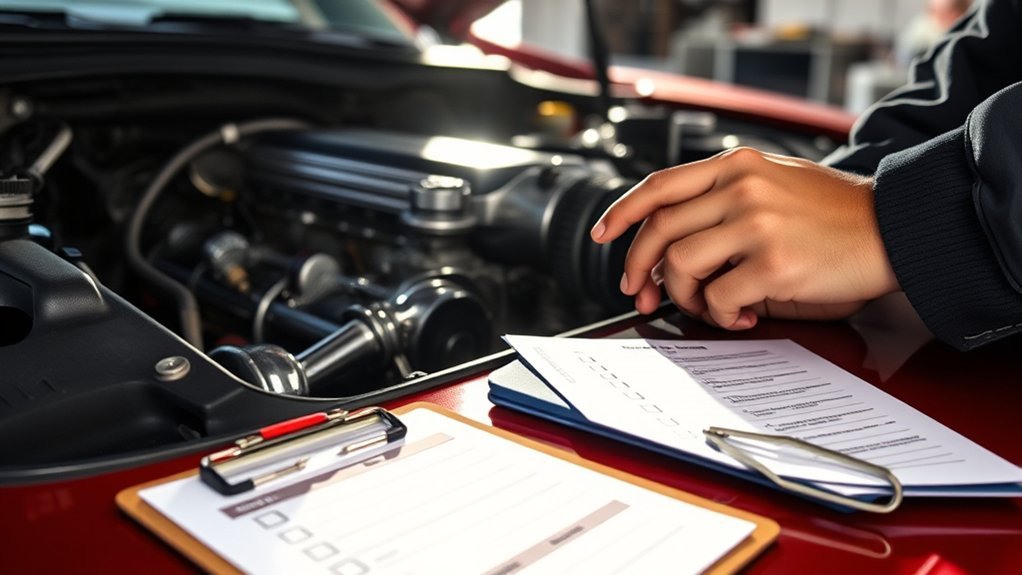
A full car service is a comprehensive maintenance appointment that helps keep your vehicle safe, reliable, and running efficiently. It typically includes an engine oil and filter change, brake inspection, tire checks, fluid inspections, and an assessment of important mechanical and electrical components. However, the exact work depends on your vehicle, its maintenance schedule, and the service package you choose.
Quick Answer
A full car service usually includes an oil and filter change, brake inspection, tire pressure and tread checks, fluid-level inspections, battery testing, and checks of the steering, suspension, lights, and other essential systems. Additional work, such as replacing spark plugs, brake pads, or transmission fluid, depends on your vehicle’s condition and manufacturer-recommended maintenance schedule.
Key Takeaways
- A full service combines routine maintenance with inspections of major mechanical and safety components.
- Engine oil and oil filters are commonly replaced when due, while other filters and fluids follow vehicle-specific schedules.
- Brake, tire, steering, and suspension inspections help identify wear and safety problems.
- Spark plugs, brake pads, transmission fluid, and coolant are not automatically replaced during every service.
- The owner’s manual and manufacturer maintenance schedule determine which services are due.
- Always request an itemized estimate and a completed service report.
At a Glance
| Time Required | Allow approximately 10–15 minutes for basic home checks. A professional full service takes longer depending on vehicle condition and the work required. |
| Difficulty | Basic visual inspections are beginner-friendly. Brake, electrical, and mechanical servicing may require a qualified technician. |
| Tools Needed | Owner’s manual, tire pressure gauge, tread-depth gauge, and basic inspection equipment. Professional service requires additional vehicle-specific tools. |
| Cost | Varies by vehicle, location, labor rates, and included services. Request a written estimate before authorizing additional work. |
What Is Included in a Full Car Service?
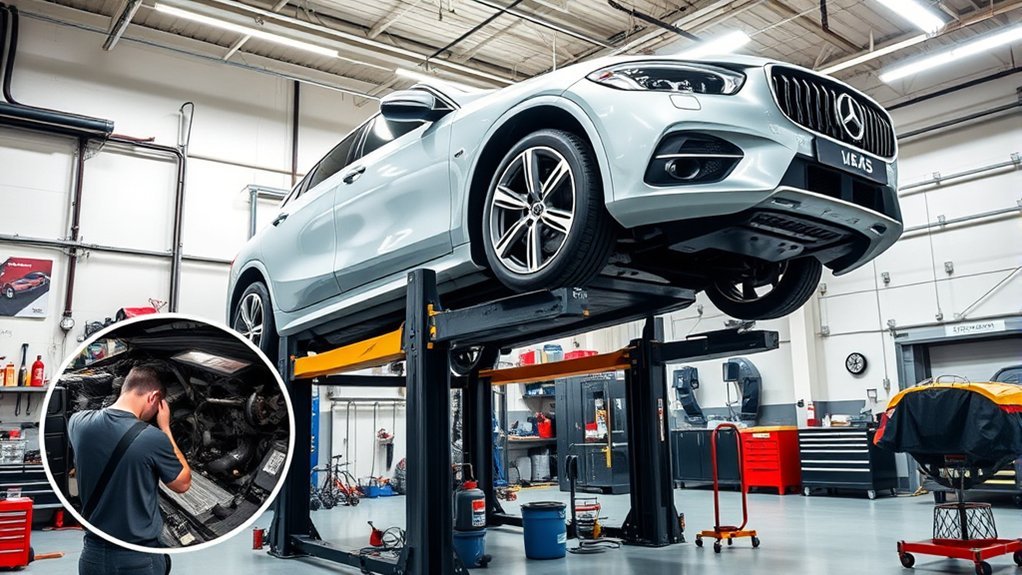
When you schedule a full car service, your mechanic examines the vehicle’s essential systems and performs maintenance that is due under the manufacturer’s schedule.
An engine oil and filter change is commonly included when due. The technician also inspects the brakes, measures tire wear, checks fluid levels, and examines components that affect reliability and safety.
Additional checks may cover the battery, steering, suspension, lights, windshield wipers, belts, hoses, exhaust system, and heating and air-conditioning system.
The engine air filter and cabin air filter should also be inspected. They serve different purposes: the engine filter helps keep dirt out of the engine, while the cabin filter helps clean air entering the passenger compartment.
Not every inspected component needs replacement. The purpose of a thorough service is to identify what is functioning correctly, what needs attention, and what maintenance is due.
Note: The term “full service” is not a universal maintenance standard. Ask the repair shop for its written checklist and compare the included work with your vehicle’s owner’s manual.
Full Service vs. Basic Service vs. Major Service
Repair shops may offer different service packages. The following comparison explains their common purposes, although actual package contents vary.
| Service Type | Typical Work | When It May Be Needed |
|---|---|---|
| Basic or interim service | Oil and filter change, selected fluid checks, tire inspection, and basic safety checks. | Between more comprehensive appointments or when scheduled maintenance is due. |
| Full service | Oil and filter service, detailed brake and tire checks, fluid inspections, battery assessment, and broader mechanical and safety inspections. | According to the manufacturer’s schedule or the agreed service plan. |
| Major service | Full-service inspections plus additional scheduled replacements, potentially including spark plugs, filters, fluids, or belts. | When the vehicle reaches specific mileage, age, or maintenance milestones. |
A major service is not automatically necessary every time your car visits the shop. Check which maintenance items are due before approving the work.
Why Regular Car Servicing Is Essential
Regular servicing helps identify developing problems before they become more serious. It also supports safe operation, dependable performance, and a documented maintenance history.
Following the manufacturer-recommended schedule is more useful than purchasing the same service package at every appointment, regardless of the vehicle’s needs.
Preventative Maintenance Benefits
Preventative maintenance helps reduce the risk of unexpected mechanical problems.
For example, regular oil changes maintain engine lubrication, while inspecting belts and hoses can reveal cracking, deterioration, or leaks before a component fails.
Checking tire pressure and addressing engine problems may also improve fuel efficiency.
These tasks cannot prevent every breakdown, but they help technicians identify wear and maintenance needs earlier.
Improved Vehicle Safety
A full service includes checks of components that directly affect vehicle control and stopping performance.
| Component | Why It Matters |
|---|---|
| Brake System | Supports reliable stopping and helps identify worn or damaged components. |
| Tires | Provide traction, stability, and predictable handling. |
| Essential Fluids | Support lubrication, cooling, braking, and other vehicle functions. |
| Steering and Suspension | Help maintain directional control, stability, and tire contact with the road. |
| Lights and Wipers | Support visibility and communication with other road users. |
| Service History | Documents maintenance and helps identify recurring problems. |
Unusual brake behavior, steering problems, serious fluid leaks, or damaged tires should be inspected promptly rather than left until the next scheduled service.
Enhanced Resale Value
A documented service history can make your vehicle more appealing to potential buyers.
Records help demonstrate when oil changes, brake work, tire replacements, and other maintenance were completed.
They may also help a buyer evaluate the vehicle’s condition and identify work that could be due soon.
Keep itemized invoices, inspection reports, and manufacturer maintenance records. A complete history can support resale negotiations, although the actual effect on resale price varies by vehicle, market, age, mileage, and condition.
Essential Checklist for a Full Car Service
The following checklist covers the main components that should be considered during a comprehensive service.
Some tasks involve inspection only. Others involve replacement when the manufacturer specifies an interval or when a component has reached its service limit.
Key Maintenance Components
| Maintenance Component | What the Technician Checks | Typical Action |
|---|---|---|
| Engine Oil and Oil Filter | Oil level, condition, correct specification, and service interval. | Replace when due. |
| Brake System | Pads, rotors, calipers, hoses, hydraulic lines, fluid level, and leaks. | Inspect; replace worn components as needed. |
| Tires | Pressure, tread depth, damage, uneven wear, and tire age. | Adjust pressure, rotate when appropriate, and replace unsafe tires. |
| Essential Fluid Levels | Coolant, brake fluid, transmission fluid, and applicable steering fluid. | Check condition and investigate abnormal fluid loss. |
| Engine Air Filter | Dirt buildup, damage, and restriction. | Replace when due or excessively dirty. |
| Cabin Air Filter | Dirt, debris, and airflow restriction. | Replace according to condition and schedule. |
| Battery and Charging System | Battery condition, terminals, connections, and charging performance. | Clean, secure, test, or replace as necessary. |
| Belts and Hoses | Cracks, wear, deterioration, leaks, and loose connections. | Repair or replace when required. |
| Steering and Suspension | Wear, looseness, leaks, damaged joints, and abnormal movement. | Investigate and repair identified faults. |
| Lights and Wipers | Headlights, brake lights, indicators, washer operation, and blade condition. | Repair or replace faulty components. |
The technician may also inspect the exhaust system, visible underbody components, cooling system, and other equipment specified by the manufacturer.
Keeping these components in good condition helps support vehicle reliability and reduces the chance of overlooking developing problems.
Post-Service Procedures
After the maintenance work is completed, the technician should perform appropriate final checks.
- Verify the engine oil: Confirm the correct oil and filter were installed, the specified quantity was added, and the final oil level is correct.
- Inspect for leaks: Check serviced components, drain plugs, filters, and accessible fluid connections.
- Check wheel attachment: If wheels were removed, tighten wheel fasteners using the manufacturer’s specified procedure and torque.
- Confirm braking operation: Verify normal brake-pedal operation and investigate any remaining brake warning lights or faults.
- Perform appropriate operational checks: Conduct a road test when needed and safe to do so.
- Reset the maintenance reminder: Reset it after completing the work associated with that reminder.
- Complete the service documentation: Record the work performed, parts used, inspection results, and outstanding recommendations.
Emissions testing or certification should be performed when required by applicable regulations or requested as a separate service. It is not a universal requirement after every oil change or full service.
The technician should also return the vehicle with its controls, interior, and accessible service areas in appropriate condition.
The Importance of Oil and Filter Changes
Regular oil and filter changes help protect an internal combustion engine from unnecessary wear.
Engine oil lubricates moving parts, helps manage heat, and carries contaminants toward the oil filter.
As oil ages, its additives can become depleted, and contamination may increase. Replacing the oil and filter at the correct interval helps maintain effective lubrication.
The correct oil-change interval is the one specified for your vehicle and driving conditions—not a universal mileage rule.
The traditional 3,000-mile oil-change rule does not apply to every modern vehicle.
Some manufacturers specify longer intervals, particularly when approved synthetic oils are used. Other vehicles require shorter intervals under severe operating conditions.
Follow the manufacturer maintenance schedule recommended by the Federal Trade Commission, including both mileage and time limits where specified.
Use the correct oil viscosity and performance specification listed in your owner’s manual.
The oil filter should normally be replaced with the oil according to the manufacturer’s service procedure.
Neglecting scheduled oil changes can increase engine wear and contribute to costly mechanical problems.
When Should You Change Your Engine Oil?
Check your owner’s manual or electronic maintenance reminder.
The correct interval may depend on:
- Vehicle make, model, year, and engine.
- Oil specification and approved oil type.
- Time since the previous oil change.
- Frequent short trips or extended idling.
- Heavy towing, dusty environments, or other severe-service conditions.
Keep the oil-change date, mileage, oil specification, and filter details in your service records.
Full Car Service: Brake System Checks to Perform
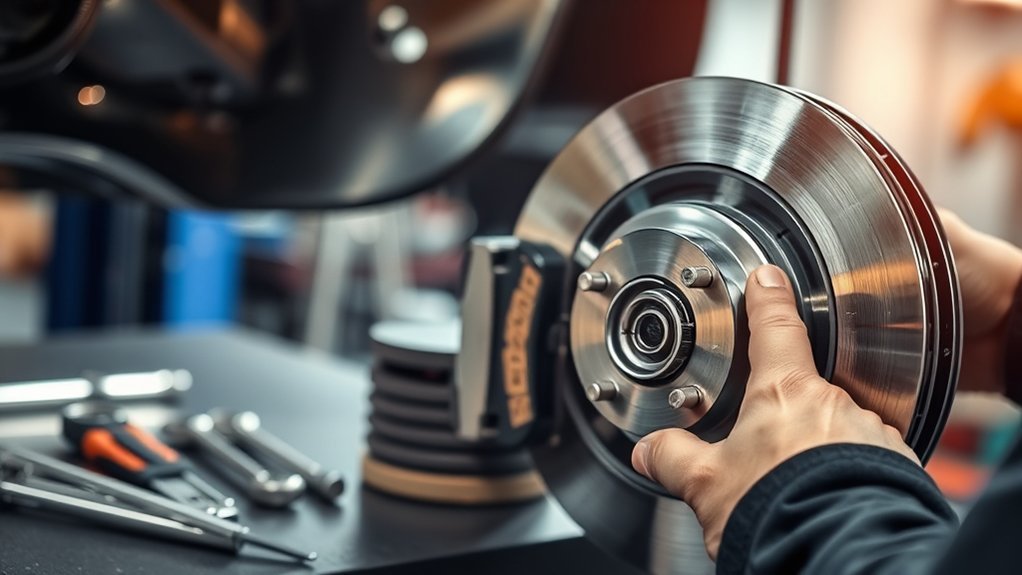
Brake system checks are among the most important parts of a comprehensive vehicle inspection.
A mechanic should examine the brake pads, rotors or drums, calipers, and accessible hydraulic components.
Brake-pad thickness and rotor condition must be evaluated against the applicable vehicle specifications.
The technician should also check for uneven wear, damaged components, fluid leaks, unusual noises, and signs of overheating.
Brake Fluid and Hydraulic System Checks
Brake fluid should be checked for the correct level and condition.
A low reservoir level may result from brake-pad wear or a hydraulic leak. Adding fluid without investigating the cause can hide an important warning sign.
For example, Honda’s brake-fluid guidance directs owners to have low fluid investigated for leaks or worn brake pads.
Brake fluid also absorbs moisture over time in systems using conventional glycol-based fluid. Follow the manufacturer’s replacement schedule and specified fluid type.
Warning: Do not ignore a sinking brake pedal, brake-fluid leak, grinding noise, or serious braking problem. Stop driving if braking performance is compromised and arrange professional inspection or towing.
Brake Operation and ABS Checks
The mechanic should verify normal braking operation and investigate relevant dashboard warnings.
If an anti-lock braking system (ABS) warning is present, the fault may require a vehicle-specific diagnostic scan and further testing.
A diagnostic scan does not replace a physical inspection of brake pads, rotors, hoses, and other components.
How to Check Your Tire Pressure and Tread Depth
Tire condition affects traction, handling, braking, and fuel efficiency.
A full service should include pressure checks, tread measurements, and an inspection for cuts, bulges, cracks, punctures, and uneven wear.
Use the pressure specified on your vehicle’s tire information label, usually located on the driver’s doorjamb.
Do not use the maximum pressure printed on the tire sidewall as your normal inflation target.
Proper Tire Pressure Guidelines
According to the National Highway Traffic Safety Administration’s tire safety guidance, tire pressure should be checked at least monthly when the tires are cold.
Cold means the vehicle has generally not been driven for at least three hours.
| Task | Recommended Frequency | Importance |
|---|---|---|
| Check tire pressure | Monthly and before long trips. | Supports proper handling, tire life, and fuel efficiency. |
| Assess tread depth | Monthly and during servicing. | Helps identify worn tires and reduced traction. |
| Inspect tire condition | Monthly and before long trips. | Identifies damage, irregular wear, and possible tire problems. |
| Check the spare tire | During routine checks, if equipped. | Helps ensure it is usable during an emergency. |
| Rotate tires | According to the manufacturer and tire requirements. | May help promote more even wear. |
Some vehicles require different pressures for front and rear tires. Follow the values on the vehicle’s tire placard.
Tread Depth Measurement Techniques
A tread-depth gauge provides a direct measurement of remaining tire tread.
You can also perform the penny test:
- Insert a penny into a main tread groove.
- Position Lincoln’s head upside down and facing you.
- Check whether the tread covers the top of his head.
- If the top of Lincoln’s head remains visible, the tire has reached approximately 2/32 inch of remaining tread and needs replacement.
A tread depth of 2/32 inch is the replacement threshold identified in NHTSA’s tire safety guidance.
However, wet-weather traction can decline before a tire reaches that limit. Consider replacement earlier when wet-road performance, tire condition, or driving conditions warrant it.
Also inspect the built-in treadwear indicators. When they become level with the surrounding tread, the tire needs replacement.
If one side of a tire wears faster than the other, ask the technician to inspect alignment, suspension components, and tire pressure rather than simply replacing the tire without investigating the cause.
Checking and Maintaining Essential Fluid Levels for Your Vehicle
Your vehicle depends on several fluids for lubrication, cooling, braking, and other essential functions.
A comprehensive service should assess applicable fluid levels, condition, leaks, and scheduled replacement requirements.
| Fluid Type | Purpose | Service Requirement |
|---|---|---|
| Engine Oil | Lubricates and protects engine components. | Check the level and replace according to the manufacturer schedule. |
| Coolant | Helps regulate engine or applicable system temperature. | Inspect the level, condition, hoses, and leaks; replace when specified. |
| Brake Fluid | Transfers hydraulic pressure within the braking system. | Check level and condition; investigate abnormal loss and replace when due. |
| Transmission Fluid | Supports transmission lubrication and operation. | Inspect or replace according to the vehicle-specific procedure and schedule. |
| Power Steering Fluid | Supports hydraulic power steering on equipped vehicles. | Inspect applicable systems for correct level and leaks. |
| Windshield Washer Fluid | Supports windshield cleaning and visibility. | Refill with suitable washer fluid as needed. |
Not every vehicle has a serviceable transmission dipstick or a hydraulic power-steering reservoir. Many newer vehicles use electric power steering, while some transmissions require specialized procedures for checking fluid.
Warning: Never remove a pressurized cooling-system cap while the engine is hot. Hot coolant and steam can cause serious burns. Follow the owner’s manual and allow the system to cool before inspecting it.
Use only the fluid specification approved for your vehicle. Incorrect fluids can damage components or affect system operation.
If a fluid level repeatedly drops, ask the technician to identify the cause rather than continuing to top it off.
Full Car Service: Assessing and Maintaining Battery Health
Your car’s 12-volt battery supports starting and electrical operation.
During a full service, the technician should inspect the battery case, mounting hardware, terminals, connections, and relevant charging-system components.
A fully charged conventional 12-volt lead-acid battery commonly measures around 12.6 volts at rest, but voltage alone does not confirm that the battery can reliably start the vehicle.
A proper battery assessment may include a condition or load test along with charging-system checks.
Terminals should be examined for corrosion, loose connections, and damage. A cracked, leaking, or swollen battery requires professional attention.
According to AAA’s battery maintenance guidance, updated July 2026, conventional car batteries commonly last approximately three to five years, depending on climate, usage, and other conditions.
Battery age is a useful reason to schedule testing, not proof that every battery must be replaced on a fixed date.
Extreme heat, cold weather, frequent short trips, and extended periods without driving can affect battery reliability.
Pro Tip: Once your conventional starting battery reaches approximately three years of age, consider annual testing, especially before periods of extreme weather.
The Role of Diagnostics in Your Full Service

Electronic diagnostics can help identify faults recorded by your vehicle’s onboard control systems.
Depending on the equipment and vehicle, a technician may examine diagnostic trouble codes, sensor readings, engine operation, transmission information, and relevant safety-system faults.
This can help investigate problems such as engine misfires, faulty sensors, or electronic system warnings.
However, a diagnostic scan is not the same as a complete mechanical inspection.
It cannot reliably determine every type of brake wear, tire damage, fluid contamination, loose mechanical connection, or developing leak.
A useful diagnostic process combines electronic information with physical inspection, appropriate measurements, and vehicle-specific testing.
When Is a Diagnostic Scan Needed?
A scan may be appropriate when:
- The check engine light or another system warning is illuminated.
- The engine runs roughly or stalls.
- The transmission behaves abnormally.
- An ABS, airbag, or related system reports a fault.
- A manufacturer-specific maintenance procedure requires electronic equipment.
Some full-service packages include a basic scan, while others charge separately for diagnostic work.
Confirm what is included before your appointment.
Additional Components Checked During a Full Service
Beyond oil, brakes, tires, and fluids, a comprehensive inspection should consider other systems that influence safety, comfort, and reliability.
Steering and Suspension Inspection
Technicians may examine accessible steering and suspension components for looseness, damage, deterioration, and fluid leaks.
Checks can include tie rods, ball joints, bushings, shock absorbers, struts, and other vehicle-specific components.
Uneven tire wear, excessive bouncing, knocking noises, or unusual steering behavior may indicate a problem requiring further inspection.
Belts, Hoses, and Cooling System
Drive belts and hoses should be inspected for visible wear, cracking, damage, leaks, and loose connections.
Timing belts require particular attention because some engines have strict replacement intervals. Other engines use timing chains with different maintenance requirements.
Follow the manufacturer’s instructions rather than assuming every belt needs replacement during a major service.
Lights, Wipers, and Cabin Air Quality
The inspection should include headlights, brake lights, turn signals, reverse lights, and other applicable exterior lighting.
Windshield wipers should be checked for damaged rubber, poor contact, and streaking.
The washer system should operate correctly, and the reservoir should contain suitable washer fluid.
Cabin air filters should be inspected according to the manufacturer’s maintenance schedule.
Exhaust and Underbody Inspection
Where applicable, the mechanic should inspect accessible exhaust components, visible leaks, loose mounting hardware, corrosion, and damaged underbody parts.
An exhaust leak or damaged mounting component should be investigated rather than ignored until the next service.
How Often Should You Get a Full Car Service?
The correct service frequency depends on your vehicle’s maintenance schedule, mileage, age, and operating conditions.
Some maintenance items are checked at frequent intervals, while others are replaced only after specific mileage or time limits.
For example, your owner’s manual may specify separate schedules for oil changes, brake-fluid replacement, spark plugs, coolant, and transmission fluid.
Vehicles with electronic maintenance reminder systems may calculate certain service requirements based on operating conditions.
Do not assume the same maintenance interval applies to every component.
Normal vs. Severe Driving Conditions
Your vehicle may require different maintenance intervals if it frequently operates under demanding conditions.
Depending on the manufacturer’s definition, these may include:
- Frequent short trips.
- Extended idling or stop-and-go driving.
- Heavy towing or carrying substantial loads.
- Very dusty environments.
- Extreme operating temperatures.
Check the owner’s manual to determine whether your actual driving pattern qualifies for a more demanding maintenance schedule.
Full Service Requirements for Gasoline, Diesel, Hybrid, and Electric Vehicles
Not every vehicle requires the same maintenance procedures.
Gasoline and diesel vehicles have internal combustion engines, while hybrids combine an engine with an electric drive system.
Battery-electric vehicles have different service requirements because they do not have a conventional gasoline or diesel engine.
| Vehicle Type | Important Maintenance Considerations |
|---|---|
| Gasoline | Engine oil, filters, ignition components, cooling system, brakes, and scheduled mechanical maintenance. |
| Diesel | Engine oil, fuel filtration, applicable emissions-system maintenance, cooling system, and manufacturer-specific procedures. |
| Hybrid | Conventional engine maintenance plus applicable hybrid-system checks and vehicle-specific cooling requirements. |
| Battery-Electric | Tires, brakes, suspension, cabin filtration, applicable cooling systems, and manufacturer-specified electric drivetrain maintenance. |
The US Department of Energy’s electric vehicle maintenance guidance explains that all-electric vehicles generally require less routine maintenance than conventional vehicles.
A battery-electric vehicle does not need conventional engine-oil changes or spark plug replacement.
However, its tires, brakes, suspension, and applicable cooling systems still require attention.
Warning: Never open, disconnect, or attempt to service high-voltage hybrid or electric vehicle components without the appropriate training and equipment. Follow the manufacturer’s safety procedures and use a qualified technician.
How Much Does a Full Car Service Cost?
The price of a full service depends on the vehicle, location, labor rates, and work included in the package.
A routine service involving inspections and an oil change will generally have a different scope from an appointment requiring spark plugs, brake components, or major fluid replacements.
The number and cost of replacement parts can also vary substantially between vehicles.
Before booking, request an itemized estimate showing:
- Included inspections and maintenance tasks.
- Labor charges.
- Engine oil and filter specifications.
- Replacement parts and fluids.
- Diagnostic charges, if applicable.
- Additional work requiring authorization.
- Applicable taxes and shop fees.
Ask the repair shop to explain any recommendation that goes beyond the manufacturer’s maintenance schedule.
The FTC’s auto repair guidance recommends understanding repair charges, comparing estimates when appropriate, and obtaining a completed repair order.
Preparing Your Vehicle for a Full Service Appointment
A little preparation can help your mechanic understand the vehicle’s maintenance history and investigate any existing concerns.
- Review your service history: Check when the last oil change, tire rotation, fluid replacement, and other scheduled maintenance were completed.
- Check the maintenance schedule: Identify the work currently due based on mileage, age, and driving conditions.
- Remove unnecessary personal items: Give the technician appropriate access to the vehicle.
- Record unusual symptoms: Note warning lights, leaks, vibrations, strange noises, or changes in braking and steering.
- Check fluid levels safely: Record any unexplained low level and tell the technician instead of automatically topping everything off.
- Gather relevant paperwork: Bring available maintenance records, warranty documents, and previous repair reports.
- Confirm the service scope: Ask which tasks are included and whether additional work requires your approval.
Pro Tip: Describe exactly when a problem occurs. For example, tell the mechanic whether a vibration happens during braking, acceleration, or highway driving. Specific observations can make diagnosis more efficient.
What to Check Before Leaving the Repair Shop
Once the service is complete, review the invoice and inspection report.
Confirm that the shop has documented:
- The maintenance tasks actually completed.
- The replacement parts and fluids used.
- The vehicle’s mileage and service date.
- Any problems discovered during the inspection.
- Recommended repairs that were not performed.
- The next scheduled maintenance requirements.
If the mechanic recommends additional work, ask which repairs affect immediate safety and which can be scheduled later.
Check that the vehicle operates normally before leaving. If a warning light remains illuminated or an unusual symptom appears after servicing, report it to the shop.
Warning Signs Your Car Needs Service Sooner
Scheduled maintenance is important, but some symptoms require attention before your next appointment.
| Warning Sign | Recommended Action |
|---|---|
| Brake warning light or abnormal brake pedal | Arrange prompt professional inspection. Do not drive if braking is compromised. |
| Engine overheating | Stop safely and follow the manufacturer’s instructions. Do not open a hot cooling system. |
| Oil-pressure warning | Stop safely and follow the vehicle’s warning instructions. Continuing to operate the engine may cause damage. |
| Flashing check-engine light | Reduce risk by stopping safely and arranging appropriate diagnosis or towing. |
| Damaged tire or visible bulge | Have the tire inspected and replaced when necessary. |
| Unexplained fluid leak | Identify the fluid and source before continuing normal use. |
| Unusual steering behavior | Arrange inspection of tires, steering, suspension, and related components. |
Do not rely on the next routine service appointment when a developing problem may affect safe operation.
Frequently Asked Questions
What does a full auto service include?
A full auto service commonly includes an oil and filter change when due, brake inspection, tire checks, fluid inspections, battery assessment, and checks of steering, suspension, lights, and other essential systems. The exact checklist depends on the vehicle and service provider.
What does a full major service include?
A major service generally includes comprehensive inspections and additional scheduled maintenance. Depending on the vehicle, it may involve replacing spark plugs, filters, belts, coolant, transmission fluid, or other components. Not every item is replaced during every major service.
What is the 30 60 90 rule for car maintenance?
The 30/60/90 rule is a general maintenance-planning guideline referring to service milestones at approximately 30,000, 60,000, and 90,000 miles. It is not a universal manufacturer requirement. Your vehicle’s actual schedule determines when filters, fluids, spark plugs, belts, and other components need attention.
What parts do I need for a full service?
For a conventional engine, commonly required service items include the correct engine oil and oil filter when due. Depending on the maintenance schedule and inspection findings, you may also need an engine air filter, cabin air filter, spark plugs, brake components, belts, or specified fluids. Purchase parts using your vehicle’s exact make, model, year, engine, and manufacturer specifications.
How often should a car receive a full service?
Follow the manufacturer’s maintenance schedule. Service requirements depend on mileage, time, vehicle type, and driving conditions. Some vehicles also use electronic maintenance reminders to indicate when particular work is due.
Does a full service include brake-pad replacement?
A full service usually includes a brake inspection, but brake-pad replacement is normally separate unless the service package specifically includes it. Pads should be replaced when their condition or measured thickness requires it.
Is a diagnostic scan included in every full car service?
Not necessarily. Some repair shops include a basic electronic scan, while others charge separately. A scan helps identify recorded electronic faults but does not replace physical inspection of brakes, tires, fluids, and mechanical components.
Do electric cars need a full service?
Yes. Battery-electric vehicles still require scheduled inspections of tires, brakes, suspension, cooling systems, and other applicable components. They do not require conventional engine-oil changes or spark plug replacement. Follow the electric vehicle manufacturer’s maintenance schedule.
Conclusion
A full car service is an important part of maintaining a safe and reliable vehicle. From oil changes and brake inspections to tire checks, fluid assessments, battery testing, and mechanical inspections, each task helps your mechanic identify maintenance needs before they become larger problems.
The most important step is to follow your manufacturer’s maintenance schedule rather than assuming every vehicle needs the same work.
Keep detailed service records, investigate warning signs promptly, and review the completed service report so you know exactly what was checked, replaced, and recommended.
With consistent maintenance and attention to developing problems, you can help protect your vehicle’s condition and enjoy more dependable transportation.
Sources
- Federal Trade Commission — Auto Repair Basics — Manufacturer maintenance schedules, repair estimates, service documentation, and consumer guidance.
- National Highway Traffic Safety Administration — Tire Safety — Tire pressure, tread depth, tire inspection, and replacement guidance.
- Honda — Brake Fluid Maintenance — Brake-fluid specifications and investigating low fluid levels.
- AAA — Debunking Common Car Maintenance Myths — Oil-change intervals and manufacturer-recommended maintenance.
- AAA — Car Battery Maintenance Guide — Battery lifespan, inspections, testing, and replacement considerations.
- US Department of Energy — Maintenance and Safety of Electric Vehicles — Maintenance differences between conventional, hybrid, and electric vehicles.





Leave a Reply