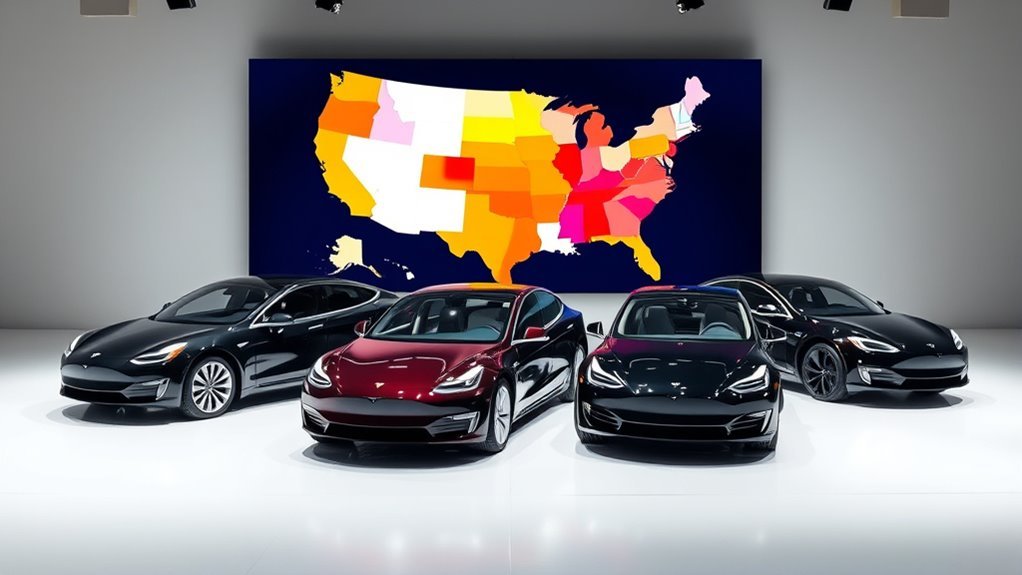
Insuring a Tesla often costs more than insuring standard vehicles because of complex electric components and high repair expenses. You can expect to pay between $2,965 and $4,780 annually depending on your model, location, and driving habits. Use the Tesla app to monitor your Safety Score and leverage usage-based discounts to keep your premiums low.
Quick Answer
Tesla insurance typically costs between $2,965 and $4,780 per year. Premiums depend heavily on your specific Tesla model, your state of residence, and your personal driving record. Drivers can often lower their costs by maintaining a clean driving record and using Tesla’s own usage-based insurance programs.
Average Cost of Tesla Insurance by Model
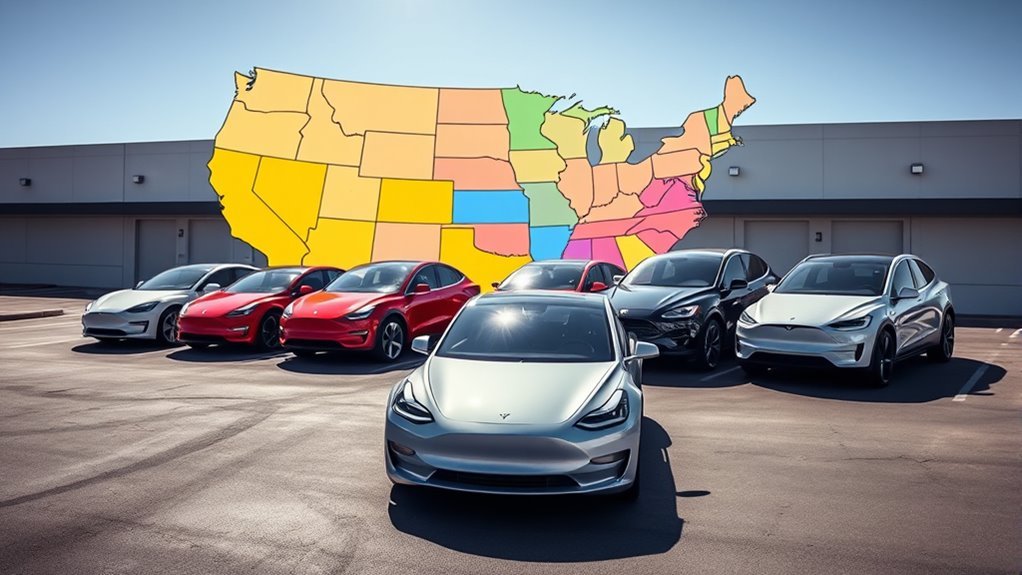
The specific Tesla model you drive dictates your base insurance rate. Each model carries different repair risks and market values that insurers factor into their calculations.
The Model 3 remains the most budget-friendly choice, with average annual premiums near $2,965. The Model Y follows, though its higher valuation pushes annual costs toward $4,428. Higher-end vehicles like the Model S and Model X command the highest premiums, often exceeding $4,600 due to their expensive proprietary parts and sophisticated technology.
Choosing a lower-cost model helps you secure more affordable insurance. Compare these rates before your next purchase to manage your long-term ownership expenses.
Factors Influencing Tesla Insurance Premiums
Insurers look beyond just the vehicle model when setting your price. Your age and your home state rank as the primary drivers of your final premium.
Younger drivers often pay higher rates because they statistically carry a higher risk of accidents. Location also impacts your bottom line, as state insurance regulations and local repair costs vary significantly across the country.
How Driver Age Affects Rates
While age matters, Tesla insurance also weighs your real-time driving behavior heavily. Drivers under 25 usually pay the highest premiums, but these rates typically drop significantly once you reach 25.
Rates generally trend downward until you hit age 60, where they may flatten or see minor adjustments. Your personal driving record always acts as a major lever. Maintaining a clean record helps you offset age-related surcharges in any bracket.
Impact of Your Location
Your ZIP code changes how insurers calculate risk. For example, Louisiana residents often pay much higher rates than those in Hawaii due to regional claim patterns and local regulatory environments.
States like Michigan often see higher premiums because of specific state-mandated coverage requirements. Conversely, states such as California and Massachusetts restrict the use of credit scores in rate setting, which changes how companies calculate your bill.
Always check your state-specific regulations when shopping for coverage. Always consult a qualified professional before making decisions based on this information.
State Variations in Tesla Insurance Rates
Insurance rates shift dramatically depending on the state. Regional laws, the frequency of accidents, and local labor costs for EV repairs create these differences.
- Louisiana holds some of the highest premiums, with Model 3 costs reaching $5,718.
- Hawaii features some of the lowest rates, averaging around $2,059.
- Michigan requires high mandatory coverage levels, pushing costs up for all drivers.
- California and Massachusetts limit credit-based pricing, which alters standard rate calculations.
- Multi-vehicle policies in many states offer a way to group costs and save money.
National averages show Tesla insurance costs around $4,149, which sits well above the general vehicle average of $2,513. Knowing your state’s trends helps you set realistic expectations for your budget.
Why Tesla Insurance Costs More
Tesla owners pay more because the vehicles use specialized, expensive technology. These cars require unique repair procedures that cost more than traditional vehicle maintenance.
Repair costs for Teslas average $5,552 per incident, while other electric vehicles average $4,474. Because insurers view Teslas as luxury vehicles, they apply higher premiums to match the car’s advanced construction and market value.
Repair and Technology Expenses
The complexity of Tesla vehicles drives up insurance claims after a collision. Several factors contribute to these inflated repair bills:
- Repair shops need specialized tools to work on Tesla electronics.
- The unibody construction design makes even minor damage difficult to fix.
- Battery damage often requires a full replacement rather than a simple repair.
- Limited availability of parts can lengthen repair times and increase storage costs.
These challenges force insurers to charge higher premiums to cover their risk. Always consult a qualified professional before making decisions based on this information.
The Luxury Classification Effect
Insurers classify most Teslas as luxury vehicles. This label automatically triggers higher coverage limits and premiums based on the vehicle’s replacement value.
Because Tesla uses expensive, custom-made materials, replacing a damaged car costs more for the insurance company. This risk premium, combined with the high cost of electric system repairs, explains why Tesla owners see higher bills than drivers of standard gas-powered cars.
Tesla Insurance vs Other Luxury Brands
Tesla premiums often exceed those of other luxury brands by about $1,355 annually. While base rates appear higher, the difference often comes down to the specialized technology required for EV repair.
- Average annual Tesla insurance costs reach $4,488.
- Tesla rates are roughly 3% higher than the insurance average for all vehicle types.
- Model 3 owners pay around $2,965, while Model S owners pay closer to $4,615.
While the initial cost seems high, many owners find value in the unique safety features and discount programs offered by Tesla Insurance. Compare these features against other luxury brands to determine if the extra cost provides enough protection for your needs.
Available Coverage Options
You can choose from standard or specialized coverage to protect your vehicle. Basic policies cover your legal requirements, but adding extra layers of protection safeguards your investment.
Consider options like gap insurance, which protects you if your car is totaled and you owe more than its value. You can also add specific protections for your home wall charger or specialized glass coverage for the panoramic roofs common on Tesla models.
Standard Protection Basics
Every driver needs a solid foundation. Standard policies include these essential components:
- Bodily Injury Liability covers medical bills for others in accidents you cause.
- Property Damage Liability pays for damage you cause to external property.
- Comprehensive Insurance protects against theft, fire, and non-collision damage.
- Collision Insurance handles repair costs for your own vehicle after a crash.
- Roadside Assistance ensures you get help if you run out of charge or suffer a flat tire.
Expanded Coverage Choices
Enhance your peace of mind with tailored options designed for Tesla owners. These extras often prove their worth after a claim:
- Glass coverage for windshield and roof replacements.
- Rental car reimbursement for your transport while your vehicle stays in the shop.
- Gap insurance to cover the difference between your loan balance and car value.
- Wall charger coverage for home charging equipment.
- Electronic key replacement if your app-based access fails.
Finding Savings
Lower your monthly bill by focusing on safe driving habits and policy adjustments. Many providers offer ways to reduce your costs:
- Maintain a clean record to qualify for accident-free discounts.
- Complete defensive driving courses to show your commitment to safety.
- Verify if your student driver qualifies for good grades discounts.
- Bundle multiple Teslas under one policy to trigger multi-car savings.
- Enroll in usage-based programs to earn rewards for driving safely.
Finding Affordable Coverage
Shopping around serves as your best strategy for finding lower rates. Since premiums vary wildly between providers, you should get quotes from at least three different companies.
State Farm and Nationwide frequently offer competitive options for Tesla drivers, sometimes keeping rates under $3,000 for specific models. Look for insurers that understand EV-specific repairs to avoid hidden costs or coverage gaps later.
Discounts and Savings Opportunities
Tesla Insurance directly rewards safe behavior through its own specialized program. By choosing this path, you connect your insurance rates directly to your driving performance.
Beyond usage-based rewards, you can lower costs by:
- Keeping a spotless driving record.
- Installing anti-theft devices that meet insurer standards.
- Insuring multiple cars in one household.
- Completing safety training programs.
Pros and Cons of Tesla Insurance
Tesla’s proprietary insurance program offers unique benefits but also comes with limitations compared to traditional national carriers.
| Pros | Cons |
|---|---|
| Competitive rates for many models | High premiums for luxury models like the S |
| Tailored EV coverage | Availability limited to 12 states |
| Telematics reward good driving | Customer service remains inconsistent |
| Seamless app integration | Some owners prefer third-party support |
The program works well if you value app-based control and want your driving performance to dictate your costs. However, if you prefer local agent support or live in a state where Tesla does not operate, look for alternatives.
Managing Your Policy
You can sign up for Tesla Insurance directly through the mobile app. This process keeps your insurance documents and claim management in one place.
- Check your eligibility based on your state.
- Review your quoted rates before signing.
- Focus on your Safety Score to manage future premiums.
- Use the app to manage your policy and contact support.
The system is built for convenience, making it a strong choice if you already manage your vehicle settings through the Tesla app.
Frequently Asked Questions
Which Tesla Model is the cheapest to insure?
The Model 3 usually features the most affordable insurance premiums. Its lower initial price and repair costs translate to smaller monthly insurance payments.
What is the average insurance rate for a Tesla?
Expect to pay an average of $4,149 annually. Remember that individual rates vary based on your state, driving history, and model choice.
How much is insurance for a 2025 Model 3?
Recent data indicates average annual costs for a 2025 Model 3 near $3,466. Your actual cost fluctuates based on your personal driving profile.
Which states offer Tesla Insurance?
Tesla currently provides insurance in states including Arizona, Colorado, Illinois, Maryland, Minnesota, Nevada, Ohio, Oregon, Texas, Utah, and Virginia. Availability changes, so check the official website for current coverage in your area.
Conclusion
Tesla insurance costs reflect a mix of advanced vehicle technology, regional regulations, and personal driving behavior. You can control your expenses by maintaining a safe driving record and comparing policies to find the best fit. Always weigh your options carefully to protect your car while keeping your budget intact.






Leave a Reply