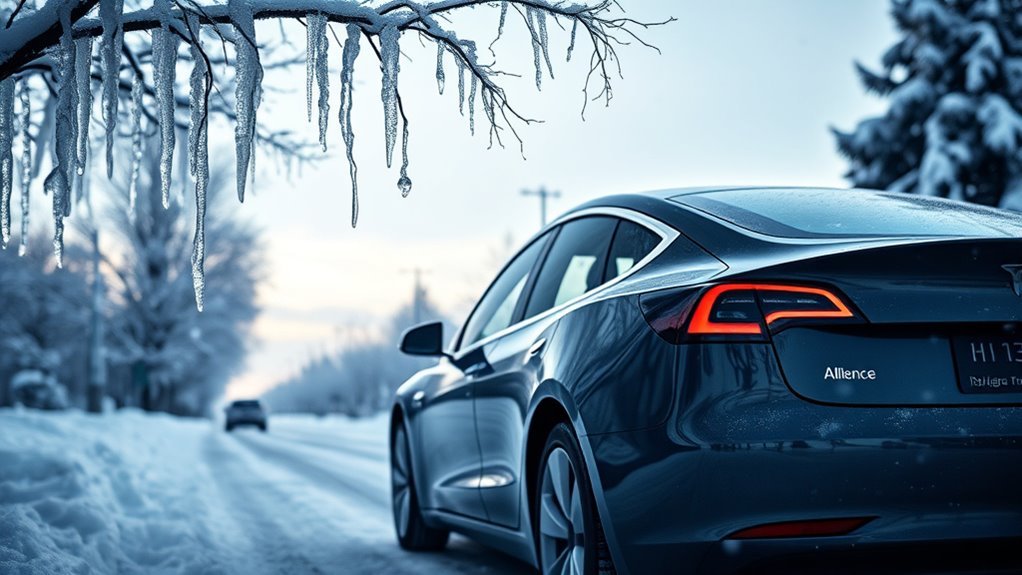
Cold weather forces your Tesla to work harder, which often leads to a range drop of 20% to 40%. This occurs because the car consumes significant energy to heat both the cabin and the battery pack. You can minimize this loss by preconditioning your vehicle while it remains plugged into a charger.
Quick Answer
Teslas lose between 20% and 40% of their range in freezing temperatures due to battery chemistry and cabin heating demands. You can combat this by preconditioning your battery while plugged in, using seat heaters instead of cabin air, and avoiding high highway speeds.
Understanding Tesla Range Loss in Cold Weather
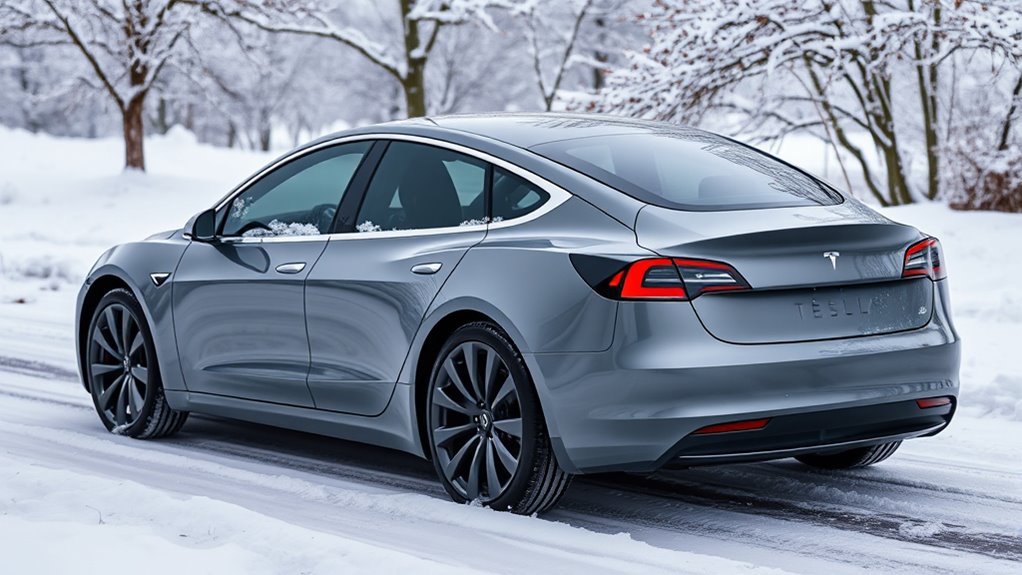
When temperatures drop below freezing, your Tesla requires more energy to function. This decrease in range creates challenges for owners who rely on their vehicles for daily commutes.
Tesla vehicles frequently lose 20% to 40% of their rated range in sub-freezing conditions. For example, a Model 3 Long Range might see its capacity drop from 358 miles to roughly 215 or 285 miles. At -14°C (7°F), you should expect to retain only about 60% of the EPA-rated range.
Cold weather impacts battery chemistry, which lowers efficiency during winter driving. Furthermore, charging times often increase by 25% to 50% because the system must warm the battery before it accepts a high-speed charge.
How Cabin Heating Impacts Energy Consumption
Cabin heating significantly affects your total energy use in the winter. Here is how your car manages power during cold spells:
- Heating the cabin consumes as much power as driving the vehicle at moderate speeds.
- The Tesla heat pump operates much more efficiently than traditional resistive heaters.
- Cold weather increases internal battery resistance, which forces the car to divert energy for thermal management.
- Preconditioning the cabin while plugged in preserves the battery’s state of charge for your actual commute.
Use your seat heaters instead of the main cabin climate control whenever possible. This strategy provides direct warmth while requiring much less electricity.
Charging Challenges in Low Temperatures
Charging a Tesla becomes slower and more difficult when temperatures fall. In extreme cold, the battery management system limits input speeds to protect the battery cells from damage.
To optimize this process, navigate to a Supercharger using the Tesla in-dash map. This action triggers the automatic preconditioning of the battery, ensuring the pack reaches the proper temperature for faster charging.
Always keep your vehicle plugged in when parked at home during winter. This allows the car to draw grid power to maintain battery warmth, which prevents the vehicle from depleting its own battery to stay ready.
Strategies to Maximize Your Tesla’s Winter Range
You can preserve more range by changing a few daily habits. Start by scheduling your departure through the Tesla app. This warms both the battery and the cabin using energy from your home wall outlet instead of your car’s stored energy.
Effective Preconditioning Techniques
Preconditioning is the most effective way to maintain winter performance. By warming the internal components before you disconnect from the charger, you arrive at your destination with more usable energy.
- Start your preconditioning cycle at least 30 minutes before departure.
- Use the Tesla app to monitor real-time energy usage.
- Keep the car plugged in overnight to ensure it begins the day at 100% capacity if your commute requires it.
- Use the scheduled departure feature to automate your winter routine.
The Benefits of Seat Heaters
Seat heaters provide concentrated warmth without the massive energy draw of a resistive cabin heater. They use roughly one-third of the power required to heat the entire cabin volume.
Activate these heaters immediately after starting your drive. This reduces the load on your HVAC system and helps keep your battery charge stable for longer trips.
Real-World Performance Insights
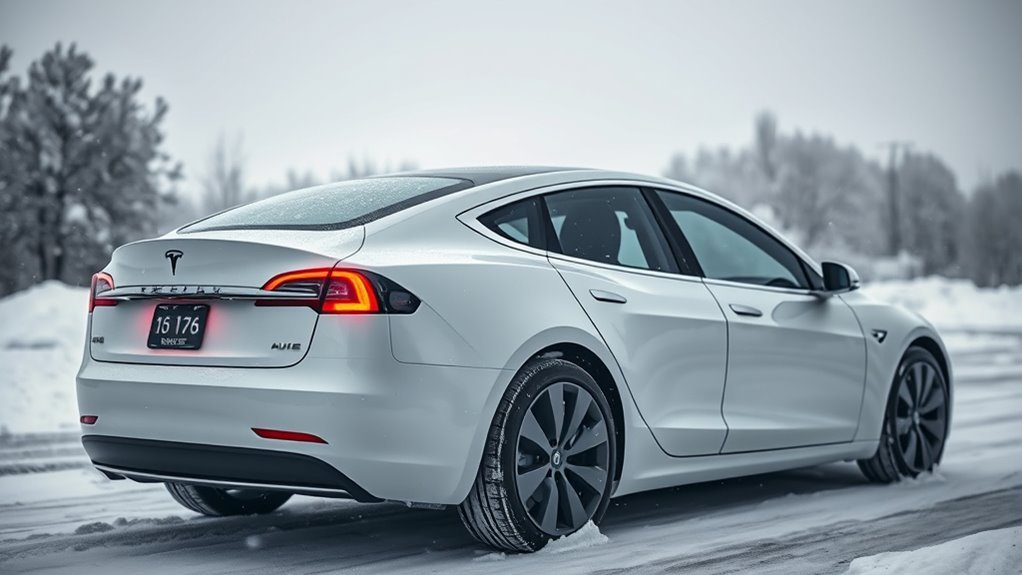
Many Tesla owners report that highway driving results in faster energy depletion than city driving during the winter. This is due to increased aerodynamic drag and the continuous power required to keep the battery warm at high speeds.
Common Winter Driving Obstacles
Drivers frequently note that cold weather forces a change in planning. Charging stops often take longer, and the total range drop can reach 30% in extreme conditions.
Always consult a qualified professional before making vehicle modifications, such as changing tires, to ensure they meet manufacturer safety standards.
Practical Tips for Better Efficiency
Improve your winter efficiency by adjusting your driving style. Lowering your highway speed by 5-10 mph reduces energy consumption caused by wind resistance. Additionally, make sure you maintain proper tire pressure, as cold air causes tire pressure to drop, which increases rolling resistance.
How to Prepare Your Tesla for Extreme Cold
Preparation is key to avoiding range anxiety during the coldest months. Follow these steps to keep your Tesla operating efficiently:
- Keep your Tesla plugged in whenever it sits idle.
- Utilize the app to precondition the battery before every trip.
- Park in a garage or sheltered area to protect the car from wind chill.
- Account for longer charging stops in your travel itinerary.
- Drive at moderate speeds to reduce drag.
Frequently Asked Questions
Do Teslas lose range in the cold?
Yes, all electric vehicles lose range in cold weather. Low temperatures reduce battery efficiency and require more power for cabin and battery heating.
How can I prevent battery loss while parked?
Keep your Tesla plugged in to a charger whenever possible. This allows the battery management system to draw power from the grid to maintain the battery’s temperature.
How cold is too cold for a Tesla?
Performance begins to decrease once temperatures drop below 40°F (4°C). While the car will function in extreme cold, you should expect reduced efficiency and range.
How much range should I expect to lose?
Expect a loss of 20% to 40% in extreme cold. Preconditioning your vehicle significantly mitigates these losses by warming the battery before you begin your drive.
Summary of Winter Tesla Care
Managing your Tesla’s range in cold weather requires active planning rather than passive acceptance of the loss. By prioritizing preconditioning and using efficient heating methods, you can mitigate the impact of low temperatures on your battery. Establish a consistent winter routine now to ensure your vehicle remains reliable throughout the season. Embrace these habits to keep your electric driving experience smooth regardless of the temperature outside.




Leave a Reply