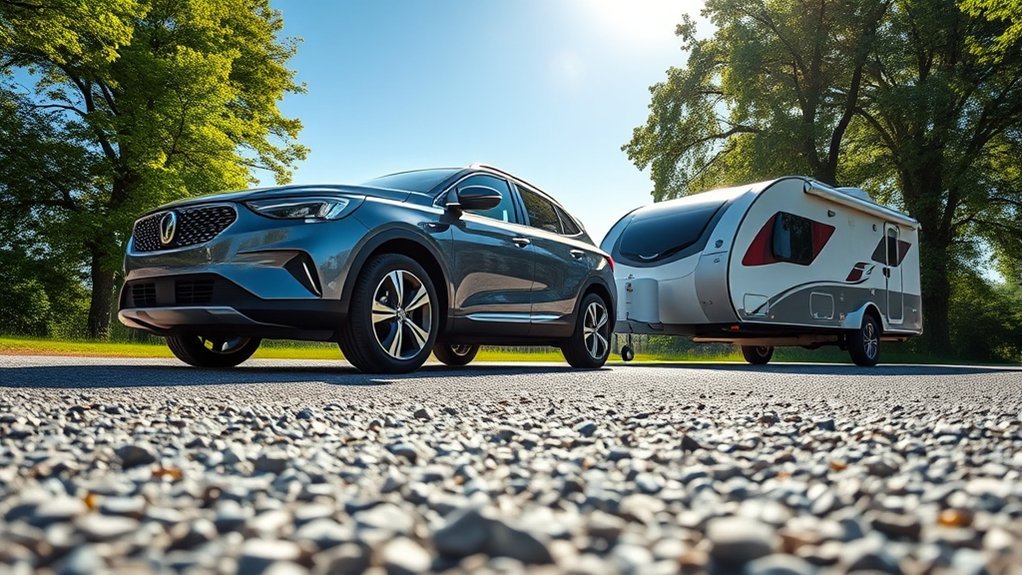
You face two distinct challenges when dealing with automatic transmissions and towing. First, pulling a heavy trailer strains your vehicle’s engine and transmission fluid. Second, pulling an automatic car behind an RV can destroy its internal parts if you do it wrong. You must understand the rules for both scenarios to prevent massive repair bills. Read on to learn how to protect your transmission in any towing situation.
Quick Answer
If you pull a trailer using an automatic car, you must stay under the manufacturer’s maximum towing capacity to prevent overheating. If you tow an automatic car behind another vehicle, keep the drive wheels off the ground. Use a flatbed truck or a tow dolly to prevent severe transmission damage caused by friction.
Essential Towing Guidelines
- Read your vehicle’s manual for specific towing limits and transmission rules.
- Keep your trailer weight below the official towing capacity to prevent transmission failure.
- Use a weight-rated tow hitch to secure your trailer properly.
- Check your transmission fluid levels often and monitor the dashboard temperature gauge.
- Use a flatbed trailer or tow dolly to keep an automatic car’s drive wheels off the pavement.
Risks of Towing an Automatic Car
Improperly towing an automatic car causes severe damage to its transmission system. If you leave the drive wheels on the ground, internal components spin at high speeds. These parts rotate without the required fluid lubrication.
Automatic transmissions use engine-driven pumps to circulate lubricating oil. These pumps stop working the moment you turn the engine off. This lack of lubrication creates massive friction and heat. That intense heat can destroy the transmission entirely.
Manufacturers strongly warn against dragging automatic vehicles with all four wheels down. You must lift the drive wheels off the ground using specific equipment. Ignoring this rule can ruin critical parts like the rear seal. In many cases, transmission failure happens within just a few miles.
Always follow the exact methods listed in your vehicle manual. This simple step protects your car from expensive repairs.
How Automatic Transmissions Work During Towing
You must understand how your automatic transmission functions to avoid catastrophic damage. Heat is the biggest enemy of any transmission system.
Pulling heavy loads generates excessive heat inside the gear system. Dragging the car behind an RV does the same thing due to the inactive oil pump. You must follow proper methods to keep the system cool and safe.
Automatic Transmission Basics
Understanding automatic transmission mechanics helps you protect your vehicle’s lifespan. These systems need a motor-driven pump to move fluid over the gears. Manual transmissions use a simpler splash-lubrication method that works even when the engine sits idle.
Because automatic systems lack this splash feature, they suffer rapid damage if towed wrong. Never let the drive wheels spin while the engine remains off. Review this quick reference guide for safe equipment choices:
| Towing Method | Description | Pros |
|---|---|---|
| Tow Dolly | Lifts front wheels off the ground | Protects front-wheel drive transmissions |
| Flatbed Trailer | Lifts the entire vehicle | Best for all-wheel and rear-wheel drive |
| Flat Towing | Leaves all four tires on the road | Requires costly mechanical modifications |
Safe Towing Practices
You must take specific precautions to keep your transmission healthy on the road. Proper preparation prevents sudden breakdowns and extends the life of your gears.
Follow these daily rules for safe towing:
- Review the official guidelines printed in your owner manual.
- Use a flatbed truck for all-wheel drive vehicles.
- Secure your load with heavy-duty chains and tight straps.
- Check your transmission fluid color and level before every long trip.
Recommended Towing Methods
Picking the right transport method determines how well your car survives the trip. You must confirm that all driven wheels stay elevated above the pavement.
A tow dolly works perfectly for front-wheel drive automatic cars. It securely lifts the front tires while the free-spinning rear tires roll behind. You should only use a standard tow bar if your manufacturer specifically allows neutral towing.
Always verify your hitch and straps meet the exact weight of your car. Proper fluid maintenance keeps the system cool while you travel. Check your dashboard gauges regularly to spot overheating early.
Rules for All-Wheel Drive and Rear-Wheel Drive Cars
Front-wheel drive cars are simple to tow, but all-wheel drive (AWD) and rear-wheel drive (RWD) vehicles require strict precautions. You cannot put an AWD car on a standard tow dolly. Leaving the rear wheels on the ground will destroy the center differential.
AWD vehicles must always ride on a flatbed trailer. RWD cars also perform best on a flatbed. If you must use a dolly for an RWD car, you will need a mechanic to disconnect the rear driveshaft first.
Equipment Methods for Towing Your Vehicle
Using the correct equipment makes all the difference in preserving your internal gears. You have three main options for moving an automatic car.
Consider these popular transport choices:
- Flatbed Tow Truck: Keeps all four tires off the ground to eliminate any friction risk.
- Tow Dolly: Lifts the front wheels to safely transport front-wheel drive models.
- Lube Pumps: Aftermarket devices that circulate fluid so you can flat-tow an automatic car safely.
- Driveshaft Disconnects: Mechanical levers that detach the rear wheels from the transmission for safe RWD towing.
Safety Steps Before You Drive
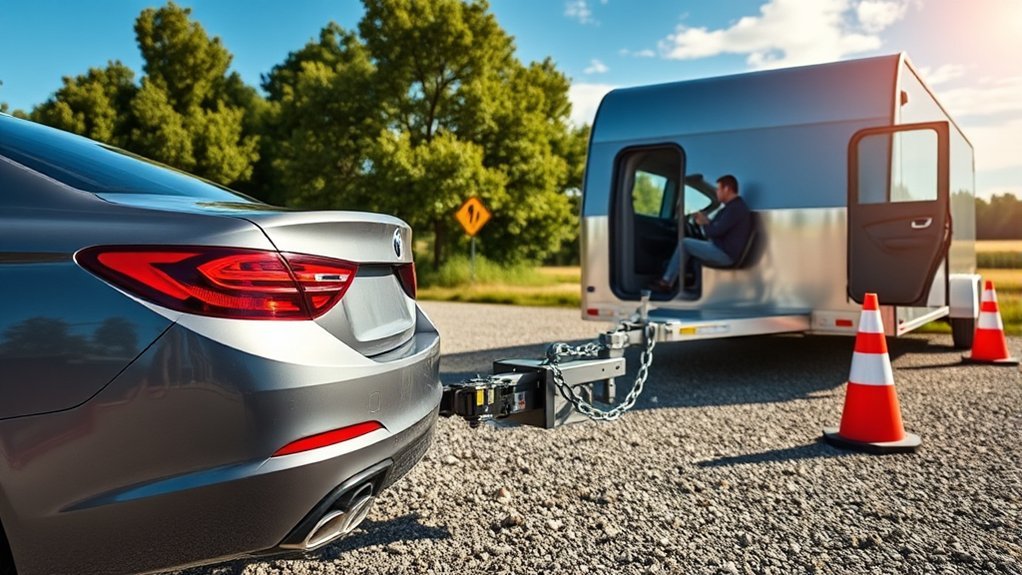
You must complete specific safety checks before hitting the highway with a heavy load. Rushing this process leads to dangerous sway and brake failure.
First, verify your total payload stays under the official maximum limits. Heavy loads destroy brakes and cause highway accidents. You should install a supplemental braking system to help stop the extra weight.
Inspect all physical connections on your hitch setup. Make sure the safety chains cross under the tongue and the brake lights function perfectly. Walk around the towed vehicle to check tire pressure and suspension health.
Pack a road emergency kit in the pulling vehicle. Keep a fire extinguisher, road flares, and a first aid kit within easy reach. Smart preparation keeps you calm when unexpected tire blowouts happen.
Why Your Owner’s Manual Matters
Your owner manual holds the exact rules for your specific make and model. Reading this booklet prevents costly mistakes and keeps your factory warranty valid.
Look for these critical details in the index:
- Weight limits: Find the gross combined weight rating (GCWR) for your exact trim level.
- Flat-towing rules: See if the manufacturer permits recreational towing behind an RV.
- Cooling upgrades: Check if the factory recommends adding a transmission cooler.
- Speed restrictions: Note the maximum driving speed allowed while pulling a load.
Following these printed rules ensures you tow safely and legally. Always consult a qualified mechanic if you do not understand the manual’s language.
Common Misconceptions About Towing Automatic Cars
Drivers share many false rumors about towing that lead to ruined engines. You cannot treat an automatic car like a manual one.
Many people think leaving an automatic car in neutral makes it safe to pull. This myth destroys thousands of transmissions every year.
Towing Myths Debunked
Car owners often believe bad advice from internet forums. You need real facts to protect your vehicle parts.
Learn the truth behind these common rumors:
- Neutral gear does not protect an automatic transmission from heat damage.
- Residual oil left on the gears is never enough to stop friction wear.
- Idling the engine every few hours will not undo the damage caused by flat-towing.
- Rules change drastically between vehicle models, even from the same brand.
Automatic vs. Manual Risks
Many drivers mistakenly believe that all cars tow the same way. Manual transmissions have a massive advantage for recreational towing.
Manual gearboxes sit in a bath of oil that splashes onto the moving parts. This simple design keeps the gears slick even when the engine stays off. Automatics require forced pressure from an active pump to survive.
You can pull most manual cars behind an RV with all four wheels down. You cannot do this with an automatic unless you install expensive aftermarket fluid pumps.
Maintenance Tips for Towing With an Automatic Car
Pulling a trailer works your automatic car harder than regular city driving. You must increase your maintenance habits to handle this extra strain.
Follow these practices to keep your pulling vehicle healthy:
- Change your transmission fluid more frequently than the standard schedule dictates.
- Install an aftermarket transmission cooler if you pull heavy loads in hot weather.
- Monitor your dashboard temperature gauge on steep uphill climbs.
- Check your brake pads and tire tread before every towing season begins.
Heat degrades transmission fluid quickly. When the fluid turns dark or smells burnt, it loses its ability to protect the gears. Fresh fluid acts as cheap insurance against complete mechanical failure.
Frequently Asked Questions
Can You Tow a Trailer With an Automatic Car?
Yes, automatic cars pull trailers very well. You just need to match the trailer weight to your car’s maximum capacity. Install a secure hitch, check the brake wiring, and monitor your engine temperature.
Will Towing Damage Automatic Transmission?
Towing only causes damage if you exceed weight limits or ignore fluid changes. Pulling heavy loads creates excess heat. You can prevent wear by adding a fluid cooler and driving at safe speeds.
Is an Automatic Car Ok for Towing?
Modern automatic cars handle heavy loads better than older models. Check your door jamb sticker for the specific payload numbers. Use the correct gear settings, like “Tow/Haul” mode, to give your engine extra power.
Can You Flat-Tow an Automatic Car?
You generally cannot flat-tow an automatic car without causing major damage. The transmission needs the engine running to pump lubricating oil. You must use a tow dolly, a flatbed, or install an aftermarket lube pump.
Conclusion
Towing an automatic car requires the right equipment and strict attention to safety rules. You protect your transmission by keeping the drive wheels off the ground and monitoring your fluid levels. Always read your specific owner manual before you hook up a trailer or a tow dolly. Prepare your vehicle correctly today, and you will enjoy safe travels on your next big road trip.







Leave a Reply