
Driving with incorrect tire pressure costs you money at the fuel pump and wears your tread out faster. Maintaining the exact Toyota Aygo tire pressure ensures a smooth ride and keeps you safe on the highway. This guide covers the exact pressure limits for your car and explains how to check them accurately.
Quick Answer
The recommended tire pressure for a Toyota Aygo is 32 psi (2.2 bar) for normal driving with up to two passengers. If you carry a full load of passengers or luggage, increase the pressure to 33.5 psi (2.3 bar). Check your tire pressure every two weeks when the tires are cold to guarantee the best fuel economy and safety.
Recommended Toyota Aygo Tire Pressure Limits
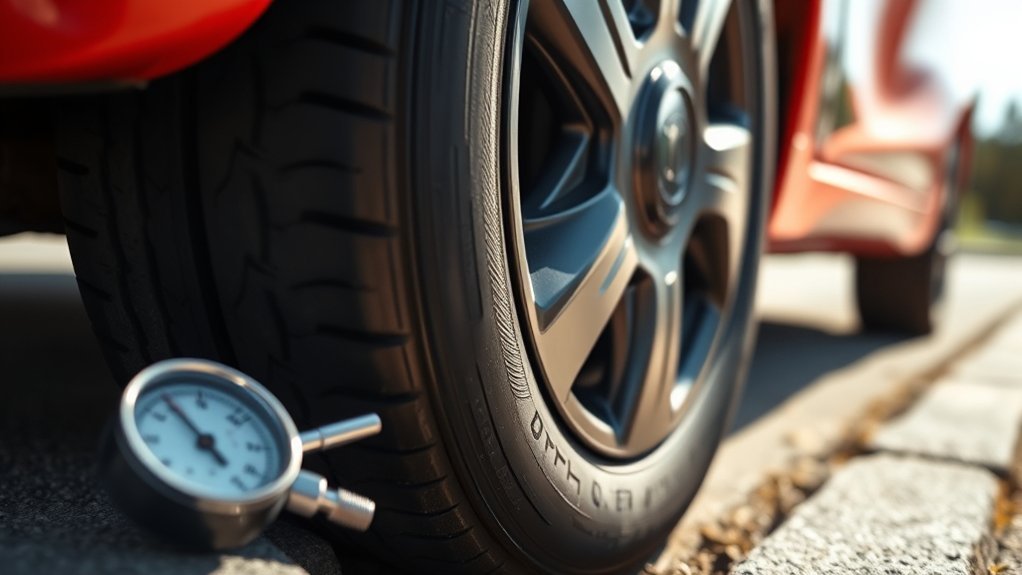
Knowing the correct tire pressure ensures safety and peak performance. You want to keep the front and rear tires at 32 psi (2.2 bar) for everyday driving with one or two people inside.
If you carry a full car of passengers or heavy luggage, increase the pressure to 33.5 psi (2.3 bar).
The factory tire sizes for this car typically include 155/65 R14 75 T or 165/60 R15. You must match these tires with the correct pressure for maximum fuel efficiency.
Ensure your Toyota Aygo tyres are sized correctly, typically 155/65 R14 75 T, for optimal pressure and performance.
You will find a sticker with these exact details inside the driver door frame.
Why Correct Tire Pressure Matters
Keeping the right air levels in your Toyota Aygo directly improves your daily driving experience. The factory limit of 32 psi supports the suspension and helps the car grip the road.
Properly inflated tires provide several major benefits.
- Improves steering control and high speed stability.
- Reduces blowout risks and shortens braking distances.
- Lowers fuel use by reducing road friction.
- Extends tread life by promoting even wear across the rubber.
- Absorbs bumps better for a smoother ride.
How to Check Your Tire Pressure
Checking the air in your Toyota Aygo takes just a few minutes and keeps the car running smoothly. Always use a reliable digital gauge. You must check the tires early in the morning while they are still cold.
First, locate the factory sticker inside the driver door jamb to confirm the 32 psi target. Next, unscrew the plastic valve cap from the tire.
Press the gauge firmly onto the metal valve stem until you hear a quick hiss of air. Read the number on the screen. If the number sits below 32 psi, connect an air pump and add air until you reach the target.
Check all four tires and the spare trunk tire every two weeks.
Fixing Low or High Tire Pressure
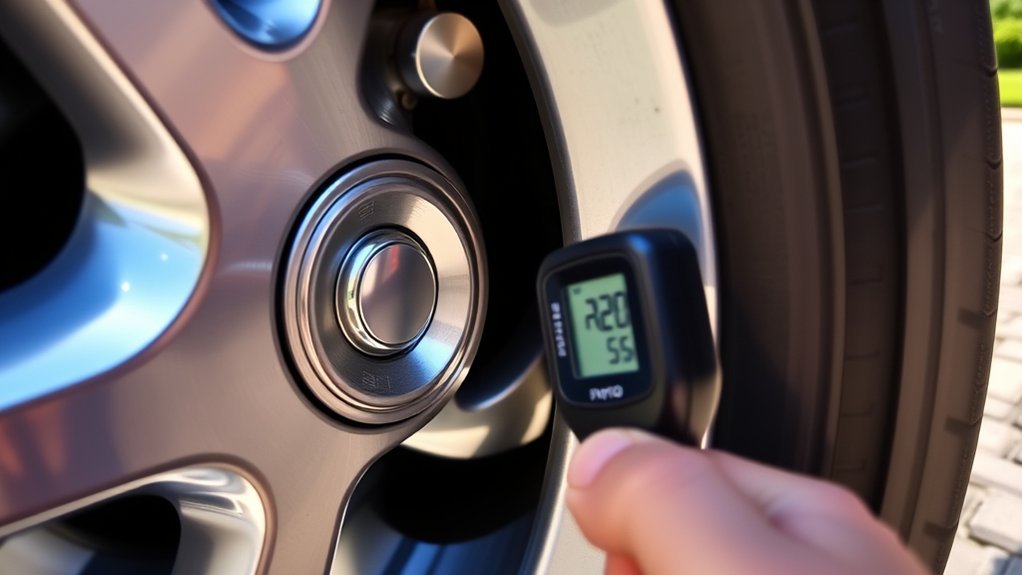
After measuring the air, you must correct any high or low readings immediately. Driving on badly inflated tires creates dangerous handling issues.
Follow these steps to fix incorrect pressure levels.
- Measure the current pressure with a digital gauge.
- Connect an air compressor to add air if the reading falls below 32 psi.
- Press the small metal pin inside the valve to release air if the tire exceeds 33.5 psi.
- Measure the tire again to confirm you hit the exact target.
- Inspect the sidewall for nails or cuts if one tire constantly loses air.
Many modern Aygo models feature a built in tire pressure monitor. This dashboard system lights up if pressure drops too low.
Reading the Tire Pressure Placard
The factory sticker on your Toyota Aygo provides the most accurate pressure details. Toyota engineers calculated these exact numbers for your specific vehicle weight and suspension.
You will find this white and yellow sticker inside the driver door frame. It lists the 32 psi normal load limit and the 33.5 psi full load limit.
Check this sticker whenever you buy new tires or change your wheel size. Following these exact numbers prevents bad handling and premature wear. Always consult a qualified mechanic if you change your wheel size drastically.
Identifying Tire Wear and Damage
Inspecting your tires visually helps you catch small problems before they cause a blowout. You should look at the rubber every time you wash the car.
Watch for these specific warning signs.
- Look for uneven tread wear indicating bad wheel alignment.
- Measure tread depth to ensure it meets the 1.6mm legal limit.
- Inspect the sidewalls for cuts, bulges, or deep scratches.
- Check the grooves for nails, glass, or sharp stones.
- Listen for unusual humming noises while driving.
Taking Action on Tire Damage
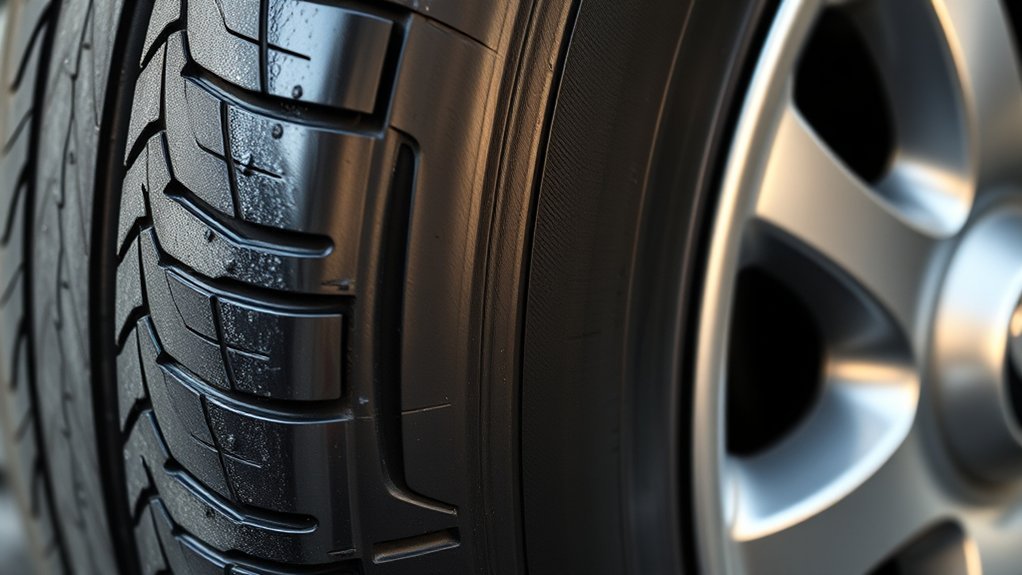
Spotting a damaged tire requires immediate action to keep you safe on the highway. If you see a large bulge or hear air hissing, stop driving right away.
Leave nails or screws in the rubber until you reach a repair shop. Pulling a nail out completely will cause the tire to go flat instantly. Noticeable wear on just one edge of the tire means you need a suspension alignment.
You must replace the tire entirely if the tread depth drops below the 1.6mm UK legal limit. Always consult a qualified professional before making decisions based on tire damage.
How to Reset the TPMS Light
Most newer Toyota Aygo models include a Tire Pressure Monitoring System that triggers a dashboard warning light. If you inflate your tires and the light stays on, you need to reset the system manually.
Turn the car engine on without driving. Locate the TPMS reset button inside the glovebox or under the steering wheel. Press and hold this button for three seconds until the dashboard light blinks three times.
Common Tire Maintenance Questions
Knowing the correct air limits keeps your Toyota Aygo safe. You should check the levels monthly and before any long road trip. Correct inflation saves you money at the gas pump.
How Fast Do Tires Lose Air?
Tires naturally lose about one psi of air every four weeks. Temperature drops in the winter cause the air inside the tire to shrink, which lowers the pressure further.
- Check your tire pressures monthly to catch natural air loss.
- Expect a drop of 1.45 psi every month under normal conditions.
- Measure the pressure early in the morning for accurate results.
- Keep the levels steady to improve your fuel efficiency.
- Use a digital gauge rather than guessing by sight.
How Often Should You Check Your Tires?
You must check your Toyota Aygo tires at least once a month. Inspect them every two weeks if you drive heavily or carry heavy loads. Always check the levels before a long highway trip to prevent fuel waste.
| Frequency | Reason |
|---|---|
| Once a month | General maintenance |
| Before long trips | Prevents fuel waste and uneven wear |
| Every 15 days | Adjusts for heavy load conditions |
How Tire Pressure Affects Fuel Economy
Proper tire inflation plays a massive role in your vehicle running costs. Soft tires drag on the road and force the engine to work harder. Maintaining the correct factory limits saves you money on gas and keeps your car moving smoothly.
- Enhances vehicle handling and sharpens steering.
- Promotes even tread wear so tires last longer.
- Improves fuel economy by reducing rolling drag.
- Reduces the risk of highway blowouts.
- Shortens braking distances during emergency stops.
Tips for Maximum Tire Lifespan
You must test the air monthly to keep your Toyota Aygo tires in top shape. Confirm you have 32 psi for daily driving and 33.5 psi for full passenger loads.
Inspect the tread blocks for even wear and clear out any sharp stones trapped in the grooves. The law requires a minimum tread depth of 1.6mm, but replacing tires at 3mm offers much better rain grip.
Ask a mechanic to rotate your tires every six months. This moves the front tires to the back and helps all four tires wear down at the same speed. Always test the air before driving to get the most accurate cold reading.
Frequently Asked Questions
What PSI Should My Tires Be on a Toyota Aygo?
You should keep your Toyota Aygo tires at 32 psi for daily driving. Increase the pressure to 33.5 psi if you have a full car of passengers or heavy bags. Checking this regularly saves gas.
Should I Run 35 or 40 PSI for Tires?
You should never run 35 or 40 psi on a Toyota Aygo. Inflating the tires past the 32 psi factory limit causes the center of the tire to bulge. This reduces road grip and makes the car bounce dangerously over bumps.
What Is the Tyre Pressure for a Toyota Aygo 2015?
The 2015 Toyota Aygo requires 32 psi for standard driving with one or two occupants. You must increase this to 33.5 psi when carrying more weight. Check the sticker inside your driver door to confirm these numbers.
How to Set Tyre Pressure on Toyota Aygo?
Use a reliable gauge to measure your cold tires first thing in the morning. Visit a gas station and use the air compressor to fill each tire to 32 psi. Release a little air if the gauge reads too high.
Final Thoughts on Aygo Tire Maintenance
Checking your Toyota Aygo tire pressure ensures a safer ride and keeps your fuel costs low. Grab a reliable digital gauge this weekend and verify all four tires match the factory specifications. Maintaining your car takes just a few minutes a month but delivers years of smooth and reliable driving.







Leave a Reply