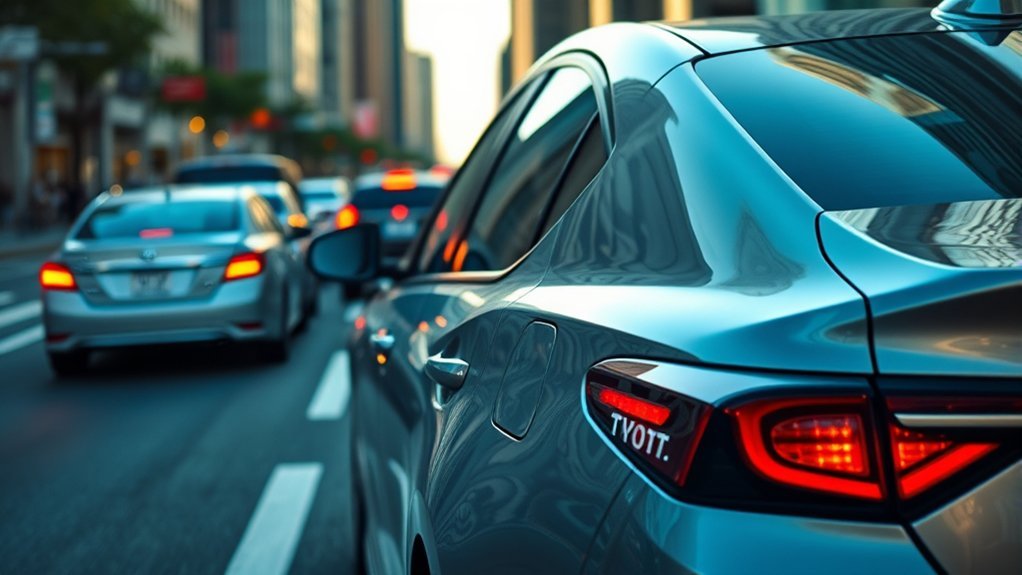
Merging onto a busy highway triggers a spike in stress for many drivers. The Toyota Blind Spot Monitor (BSM) relieves this pressure by tracking the lanes beside you. This system uses radar to spot hidden cars and flashes a warning on your side mirrors. You will learn exactly how this feature prevents accidents and which models include it.
Quick Answer
The Toyota Blind Spot Monitor (BSM) uses rear bumper radar sensors to detect vehicles entering your blind spots. When a car approaches your side blind zone, an indicator light flashes on the corresponding side mirror. This system actively helps you change lanes safely and prevents side-collision accidents.
What Is the Toyota Blind Spot Monitor (BSM)?
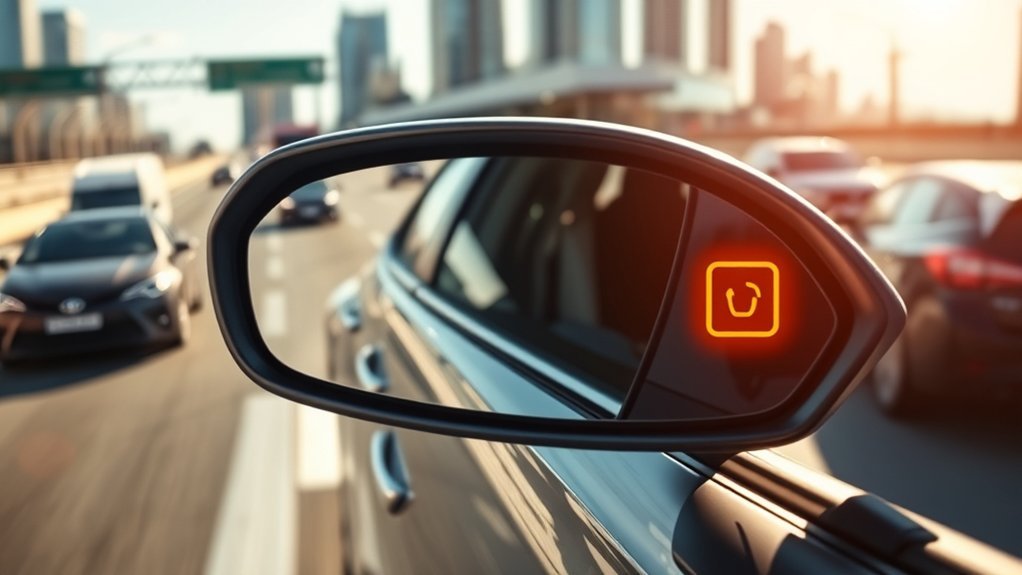
The Toyota Blind Spot Monitor (BSM) is an active safety system designed to keep you aware of vehicles hiding in your blind spots. It detects approaching cars and trucks that your standard mirrors miss.
The Toyota Blind Spot Monitor enhances your daily drive by tracking hidden vehicles and actively warning you before a collision happens.
This driver assistance system uses radar sensors to detect vehicles in adjacent lanes. When the system identifies a vehicle in your blind spot, it activates indicator lights on your side-view mirrors. These lights ensure you know about the obstacle before you start changing lanes.
This extra warning helps you merge onto highways safely. According to the Insurance Institute for Highway Safety (IIHS), blind spot monitoring systems reduce lane-change crashes by 14 percent. They also reduce injury-related lane-change incidents by 23 percent.
Most new Toyota models include this safety feature as standard equipment or offer it as an optional upgrade. Toyota prioritizes this technology to keep drivers and passengers safe.
How Toyota BSM Detects Hidden Vehicles
Toyota builds the Blind Spot Monitor with specialized features that boost your driving awareness. The system uses radar sensors mounted inside the rear bumper to monitor the lanes next to your vehicle.
When a vehicle enters your blind zone, the system alerts you in two distinct ways:
- Solid visual warning: The side mirror light illuminates a solid color when a car enters the blind spot.
- Flashing active alert: The mirror light flashes rapidly if you turn on your turn signal while a car occupies the blind spot.
The BSM operates effectively at speeds above 10 mph. The forward-facing blind spot system disables when you put the car in reverse. However, many models switch these same sensors over to Rear Cross-Traffic Alert mode when backing up.
Toyota includes this technology on many current vehicles, like the 2025 Camry. Drivers can also easily add it to lower trims on other models.
Why You Need BSM for Highway Driving
Navigating heavy traffic requires constant attention, and the Blind Spot Monitor helps you manage that heavy workload. This technology actively reduces the risk of side-swipe crashes when you use it correctly.
The system provides immediate visual alerts through indicator lights on your side mirrors. You instantly know when a vehicle enters your danger zone. The flashing light grabs your attention before you steer into the next lane.
In hectic driving situations, BSM helps you identify safe gaps between cars. You can drive and merge with much more confidence. When you combine these sensor alerts with standard mirror checks, you greatly reduce your daily driving stress.
Merging Safely With BSM Technology
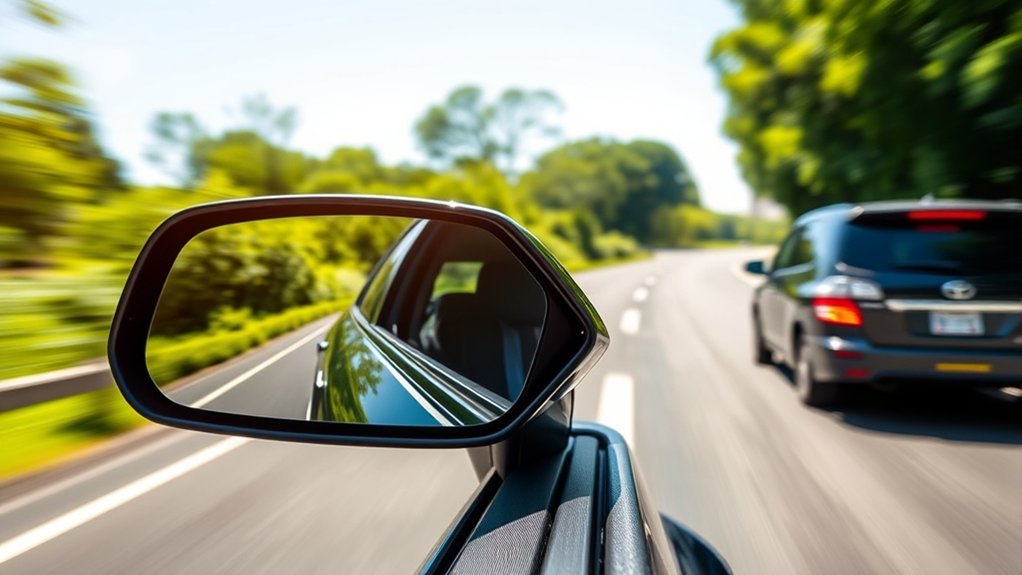
Merging onto busy highways demands excellent situational awareness. The Blind Spot Monitor steps in to provide critical support during these high-pressure maneuvers.
It provides real-time alerts about vehicles speeding up beside you. This immediate feedback keeps you safe during high-speed merges and lane drops.
With BSM technology turned on, you can change lanes confidently. You gain an extra layer of protection against side-impact collisions.
Tracking Vehicles in Adjacent Lanes
Merging onto tight highway ramps challenges even experienced drivers. The Blind Spot Monitor expands your awareness and covers the angles you cannot easily see.
The system’s radar detects vehicles approaching fast in the adjacent lanes. It gives you essential information exactly when you prepare to merge. Studies confirm this system lowers accident rates during highway merges.
Operating effectively at speeds above 10 mph, BSM supports your choices in high-traffic zones. You can navigate merging situations smoothly and safely.
Preventing High-Speed Collisions
High-speed merging intimidates many drivers, especially during rush hour traffic. Toyota designed the BSM to keep you safe during these critical split-second moments.
This innovative technology tracks cars in your blind spot and warns you instantly. The side mirror indicator lights catch your eye before you make a dangerous move. This immediate feedback helps you correct your steering before a crash happens.
Research indicates that BSM prevents thousands of highway crashes every year. By warning you about rapidly approaching vehicles, BSM boosts your confidence and helps you make safer driving decisions.
What Toyota BSM Cannot Detect
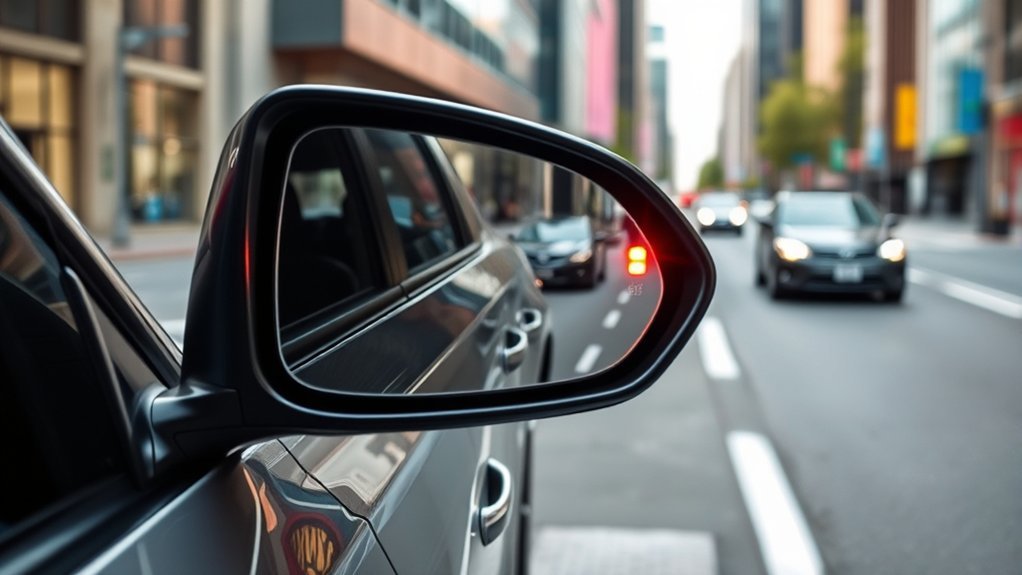
Blind Spot Monitoring systems vastly improve driving safety, but they still have limitations. Every driver must understand what these sensors cannot see.
The biggest concern involves detection limits for small objects. The BSM often misses small motorcycles, bicycles, and pedestrians. The sensors also ignore stationary objects like guardrails and parked cars.
BSM systems occasionally overlook small vehicles and stationary objects. You must always use your mirrors to verify the lane is clear.
Adverse weather conditions like heavy rain, mud, or snow easily block the bumper sensors. A blocked sensor completely stops the BSM from functioning. Furthermore, minor bumper impacts can misalign the internal radar, which requires professional recalibration.
You should never rely solely on your BSM lights. Always turn your head to check your blind spots manually before you change lanes. Always consult your Toyota owner’s manual for specific safety warnings regarding your vehicle’s features.
How to Maintain Your Toyota BSM Sensors
Keeping your BSM system active requires minimal but regular upkeep. The radar sensors sit behind the rear bumper on both the driver and passenger sides.
You must keep the rear bumper corners clean to ensure the sensors work properly. Dirt, snow, ice, or bumper stickers placed over these areas will block the radar waves. Wash your vehicle regularly, especially during winter months when road salt builds up.
If your BSM system malfunctions, a warning message will appear on your dashboard screen. Take your vehicle to a certified mechanic if clearing the bumper does not resolve the error message.
How BSM Works With Rear Cross-Traffic Alert
Toyota almost always pairs the Blind Spot Monitor with Rear Cross-Traffic Alert (RCTA). These two safety systems share the exact same rear bumper radar sensors.
While BSM monitors your side lanes while driving forward, RCTA watches the area behind you when you reverse. If you back out of a parking space, RCTA detects vehicles approaching from the left or right sides.
When RCTA spots an approaching car, it sounds an audible buzzer and flashes the same side mirror indicators used by the BSM. Together, these systems protect you in both forward and reverse driving scenarios.
Toyota Models With Standard and Optional BSM
Buyers looking for a Toyota equipped with Blind Spot Monitoring will find excellent options across the entire lineup. Toyota includes it as standard equipment on premium vehicles and offers it as an upgrade on base models.
The 2025 Camry features BSM as standard equipment across every single trim level. The Corolla provides it as standard on the XSE trim and offers it as an affordable package on lower trims.
The RAV4 offers BSM as standard equipment on XLE trims and higher. You can also add it to the base LE trim through an optional package.
Vehicles With Standard BSM
Toyota continues to make Blind Spot Monitoring a standard feature across many of its most popular vehicles. This ensures drivers get top-tier safety without paying for extra packages.
The 2025 Toyota Camry includes BSM as a standard feature across all trims. The Toyota Crown and Prius also feature standard blind spot monitoring.
The Toyota Highlander and 4Runner feature BSM as standard equipment on almost all of their trim levels. This widespread availability showcases Toyota’s push to prioritize family safety.
Models Offering BSM as an Upgrade
Toyota offers flexible purchasing options for budget-conscious buyers who still want premium safety features.
You can purchase the Toyota Corolla LE or SE and add the BSM feature through a convenience package. The RAV4 LE also offers an optional safety package that installs the BSM system.
Toyota makes it easy to customize your vehicle build. Ask your dealer to show you which specific packages include the blind spot radar.
How to Turn Toyota BSM On and Off
You can easily toggle the Blind Spot Monitoring system on and off in your Toyota. This gives you total control over your safety preferences.
For vehicles with a physical button:
- Locate the BSM button on the dashboard to the left of the steering wheel.
- Press the button once.
- The green indicator light on the button will turn off, and the mirror lights will flash once to confirm.
For vehicles using the digital display:
- Use the steering wheel arrows to navigate to the gear icon (Settings) on your dashboard screen.
- Scroll down until you find the BSM option.
- Press the “OK” button on your steering wheel to toggle the system on or off.
You should keep the system activated during normal driving to maximize your safety. If you need help managing these settings, contact your local dealership for guidance.
Common Myths About Blind Spot Sensors
Many drivers misunderstand how Blind Spot Monitoring systems actually work. Believing these myths leads to dangerous driving habits. You must understand that BSM supplements your visual checks rather than replacing them.
| Myth | Reality | Safety Impact |
|---|---|---|
| BSM replaces visual mirror checks. | You must still confirm the lane is clear visually. | High risk of lane-change crashes. |
| BSM detects everything perfectly. | Sensors often miss motorcycles and pedestrians. | Creates a false sense of security. |
| BSM works in all weather. | Mud, snow, and heavy rain block the sensors. | System fails to warn you of cars. |
| BSM sensors never need cleaning. | Dirt buildup disables the rear bumper radar. | System shuts down entirely. |
Always stay alert, keep your rear bumper clean, and look over your shoulder before changing lanes.
The Real-World Impact of Blind Spot Alerts
Traffic congestion increases every year, making Blind Spot Monitoring a vital tool for daily commuters. Highway safety data proves that this technology saves lives and prevents property damage.
According to safety researchers, BSM technology prevents roughly 14 percent of all lane-change crashes. It also reduces crashes that result in physical injuries by 23 percent.
By giving you real-time visual alerts, BSM removes the guesswork from highway merging. It gives you the information you need to make fast, safe driving decisions.
Frequently Asked Questions
How Does Toyota Blind Spot Monitoring Work?
Toyota uses rear-mounted radar sensors to monitor the lanes beside your vehicle. When a car enters your blind zone, the system lights up an indicator icon on your side mirror. This warns you not to change lanes.
What Are the Benefits of BSM on a Toyota?
The primary benefit involves accident prevention during lane changes. The system improves your spatial awareness and significantly reduces driving anxiety on busy highways. You can merge with much more confidence.
Will BSM Still Work if It’s Raining?
The BSM system functions perfectly fine in light rain. However, heavy rain, thick mud, or packed snow can block the radar sensors. You must clean your rear bumper if the system displays a disabled warning.
What Is the BSM Indicator on the Blind Spot Monitor?
The BSM indicator is a small car icon located on the outer edge of your side mirrors. It glows solid orange or yellow when a vehicle occupies your blind spot. It flashes rapidly if you turn your blinker on while the space is occupied.
Conclusion
The Toyota Blind Spot Monitor acts as a reliable co-pilot by tracking the hard-to-see areas around your vehicle. You can easily prevent side-swipe accidents and merge onto highways safely by keeping this system active. Check your vehicle settings today to ensure your BSM is turned on and ready to assist you. Safe driving requires good habits, and this simple sensor helps you master the road.





Leave a Reply