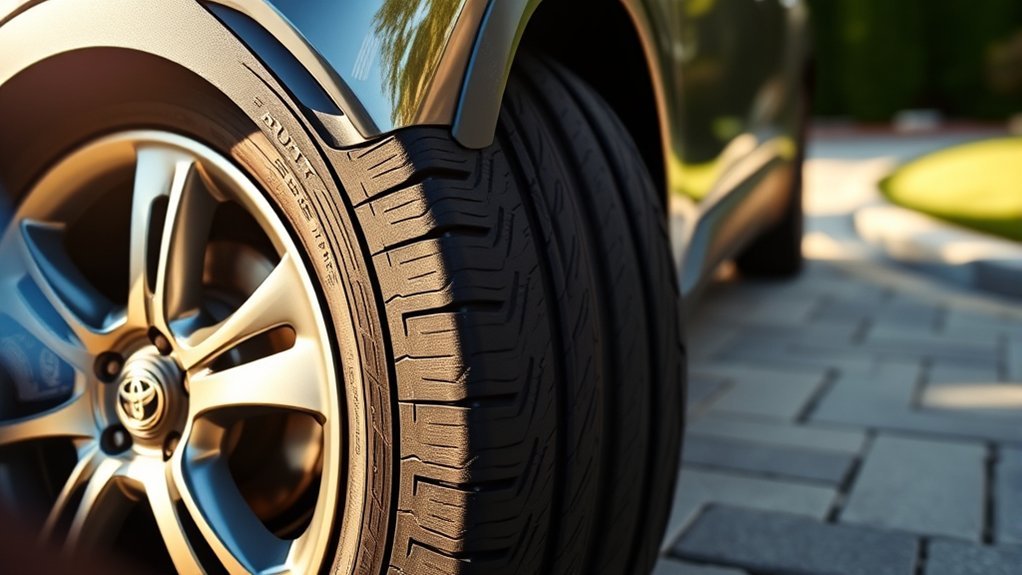
Driving a 2018 Toyota C-HR Hybrid with low tire pressure costs you money and risks your safety. A simple air check instantly improves your gas mileage and vehicle handling. This guide explains the exact tire pressure your vehicle needs. You will learn how to check it and what to do when the warning light turns on.
Quick Answer
The recommended tire pressure for a 2018 Toyota C-HR Hybrid is 33 psi (2.3 bar) for all four tires. You must check and adjust this pressure when the tires are cold. Read the driver-side door jamb sticker for specific load adjustments if you carry heavy loads or extra passengers.
Factory Tire Pressure Specs for the Toyota C-HR Hybrid
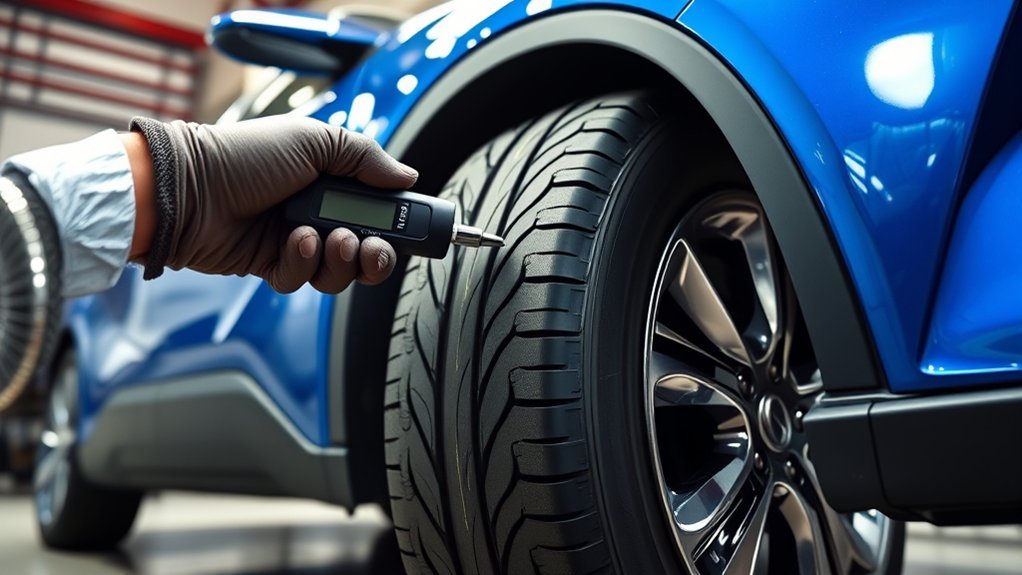
Knowing the exact tire pressure for your Toyota C-HR Hybrid ensures better safety on the road. Toyota recommends 33 psi for the 2018 model under normal driving conditions.
This measurement equals 2.3 bar or 230 kPa. Correctly inflated tires increase your safety and boost your fuel efficiency.
Steps to Check Your C-HR Hybrid Tire Pressure Accurately
Checking your tire pressure takes only a few minutes. This simple habit protects your vehicle from unnecessary wear. Start by making sure your tires are cold. You get the most accurate reading in the morning before you drive.
Buy a reliable digital tire pressure gauge. Gas station air pumps often feature abused and inaccurate gauges. Open your driver-side door and look at the frame to find the factory tire pressure sticker.
Test your pressure at least once a month. You should also check it right before you take a long road trip. Temperature changes directly affect your tire inflation. Check your tires when the outside air feels close to room temperature for the best baseline reading.
| Tire Position | Recommended Pressure (psi) | Notes |
|---|---|---|
| Front Left | 33 | Ideal for everyday use |
| Front Right | 33 | Consistency is key |
| Rear Left | 33 | Check before long trips |
| Rear Right | 33 | Maintain for best safety |
Why Correct Tire Pressure Improves Vehicle Safety
Proper tire pressure acts as a critical safety feature for your vehicle. Maintaining the factory standard of 33 psi maximizes your vehicle handling. It keeps your ride stable and smooth.
Uneven tire wear from low pressure can quickly lead to dangerous highway blowouts. Properly inflated tires grip the road better. This helps you avoid sliding in wet conditions.
According to the National Highway Traffic Safety Administration (NHTSA), correct tire inflation reduces your braking distance. This gives you more time to react to sudden hazards. Maintaining proper pressure also saves you gas money by decreasing rolling resistance.
How to Handle an Active Tire Pressure Warning Light
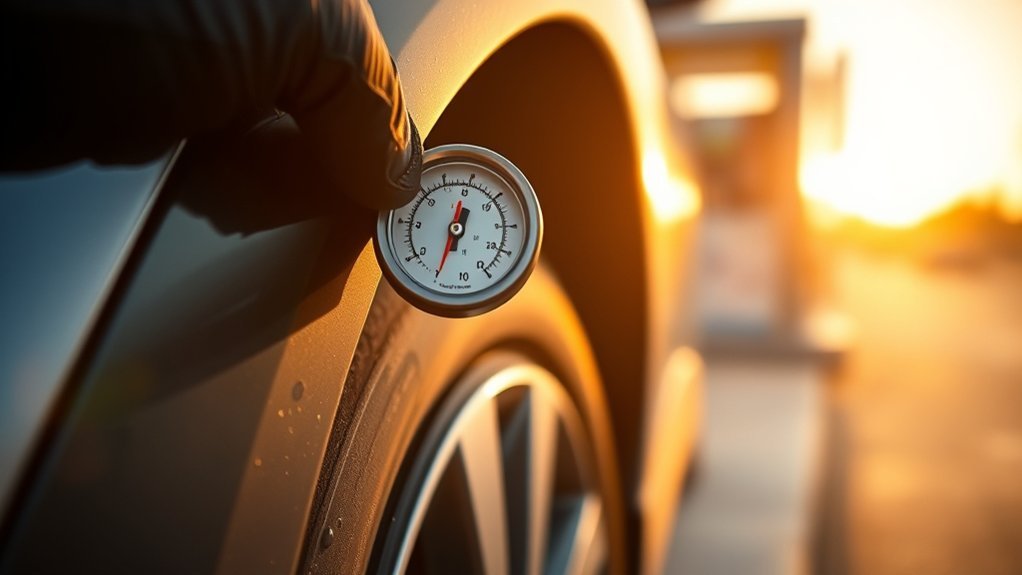
Seeing the yellow warning light on your dashboard means your tire pressure has dropped to an unsafe level. Pull over safely and grab your personal tire pressure gauge.
Test all four tires to identify which one needs air. Inflate any low tires back to the recommended 33 psi. Visually inspect the tire tread for nails or unusual wear patterns while you add air.
Wait a few hours for the tires to cool down if you drove several miles before filling up. Hot tires give an artificially high reading. Recheck the pressure once the rubber cools down completely.
Resetting the TPMS Light
The Tire Pressure Monitoring System (TPMS) light should turn off after you drive a few miles. You might need to reset the system manually if the light stays on.
Look for the TPMS reset button below the steering wheel or inside your glove box. Press and hold the button until the light blinks three times. A mechanic needs to inspect the sensor if the light continues to flash.
How Temperature and Heavy Loads Change Tire Pressure
Outside temperature shifts drastically change how much air your tires hold. A drop of 10 degrees Fahrenheit causes your tire pressure to decrease by one psi.
This scientific rule makes winter pressure checks mandatory. Extra weight presses down on your tires when you load your vehicle with heavy cargo. You might need to increase your tire pressure up to 38 psi to carry that weight safely.
Driving on under-inflated tires while carrying heavy bags overheats the rubber. This accelerates tread wear and increases blowout risks. Read your owner manual for specific load weight limits.
Adjusting Tire Pressure for Different Driving Conditions
Different driving environments require slight changes to your tire maintenance routine. Adapting to the road helps you stay safe and comfortable.
Finding the Ideal Pressure for Heavy Loads
Your Toyota C-HR Hybrid drives best at 33 psi during daily commutes. Pumping the pressure up closer to 38 psi keeps the vehicle stable if you pack the trunk full of heavy luggage.
Do not inflate your tires past 40 psi. Over-inflation reduces the amount of rubber touching the road. This causes the center tread to wear out rapidly.
Changing Pressure for Winter and Summer Weather
Summer heat causes the air inside your tires to expand rapidly. Always check your pressure early in the morning during hot months. This habit prevents dangerous over-inflation.
Winter cold compresses the air and triggers low-pressure warnings. Keeping your tires at 33 psi during winter ensures the tread flexes properly. This helps the rubber grip snow and ice.
Lowering your pressure to 20 psi widens the tire footprint for better traction if you drive on loose sand or dirt. Do not drop below 20 psi in a crossover vehicle. Low pressure can cause the tire to slip off the wheel rim.
Always consult a qualified professional before modifying tire pressures for extreme off-road use.
Common Tire Pressure Mistakes and How to Avoid Them
Many drivers accidentally ruin their tires by following outdated advice. Learn these modern rules to keep your hybrid rolling smoothly.
Common Misconceptions About Tire Inflation
Trusting the gauge at a gas station air pump is a frequent mistake. These public tools endure rough handling and weather exposure. This makes them highly inaccurate.
Avoid these common pitfalls to protect your tires:
- Buy and use a personal digital gauge for precise readings.
- Never bleed air out of a hot tire.
- Do not inflate your tires to the maximum pressure stamped on the tire sidewall.
- Check the spare tire pressure twice a year to ensure it stays ready for emergencies.
Best Practices for Regular Pressure Checks
Build a simple routine to protect your investment. Inspect your tires every two weeks and right before taking a long trip.
Walk around your vehicle and look for uneven tread wear. Smooth spots on the edges indicate low pressure. A smooth strip down the center means you added too much air.
Making Seasonal Pressure Adjustments
Adapt your maintenance habits as the seasons change to keep your vehicle safe.
- Check all four tires during the first week of every new season.
- Add air as soon as the first hard freeze hits your area.
- Store your tire gauge inside the cabin rather than a cold trunk.
- Listen for harsh bumps or loud road noise that signal incorrect pressure.
Tips for Choosing the Best Replacement Tires
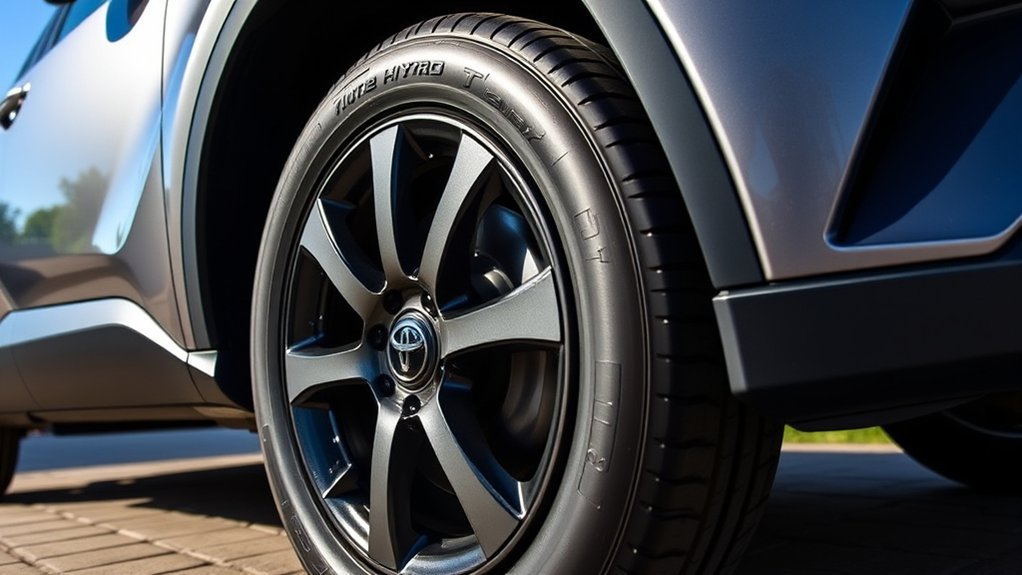
Buying the right tires for your Toyota C-HR Hybrid completely transforms how the vehicle handles. Your factory tire size is 225/50 R18. Buy this exact size to keep your speedometer and safety sensors accurate.
Look for tires labeled as low-rolling resistance. These eco-friendly options match your hybrid system perfectly. They maximize your fuel savings on every trip.
Pay close attention to tread designs based on your local climate. All-season tires work well for most drivers. Dedicated winter tires are necessary for heavy snow.
Replace your tires immediately if the tread drops below 1.6 millimeters. Driving on bald tires drastically increases your chances of hydroplaning in the rain.
Learning From the Toyota C-HR Owner Community
Talking with other hybrid owners reveals helpful tricks that the factory manual leaves out. Online forums offer excellent advice for specific climates and driving habits.
The community consistently agrees on these top maintenance habits:
- Check tire pressure on the first day of every month to build a solid routine.
- Rotate your tires every 5,000 miles to stop uneven wear.
- Invest in a high-quality portable air compressor to keep in the trunk.
- Share real-world mileage results when testing new tire brands.
Extending the Life of Your C-HR Hybrid Tires
Proactive care keeps your tires safely on the road for thousands of extra miles. Stick to the 33 psi factory rule for daily driving.
Check the rubber surface for cracks, bubbling sidewalls, or embedded glass. Use the built-in wear indicator bars inside the tread grooves. These bars help you measure depth easily.
Rotate your tires front-to-back according to your service schedule. Front-wheel-drive vehicles wear down front tires much faster than rear ones. Regular rotations balance this wear and delay expensive replacements.
Frequently Asked Questions
What is the correct tire pressure for a Toyota C-HR Hybrid?
The correct tire pressure for a Toyota C-HR Hybrid is 33 psi for all four tires. You should measure this pressure when the vehicle sits parked for at least three hours. Checking cold tires ensures an accurate reading and optimal safety.
Should I inflate my tires to 35 or 40 psi?
You should never inflate your C-HR tires to 40 psi. Sticking to 33 psi strikes the best balance between ride comfort and tire safety. Pumping tires to 40 psi creates a harsh ride and severely wears down the center of the tread.
What psi is best for hybrid vehicle tires?
Most standard hybrid sedans and crossovers require between 32 and 35 psi. Always check the sticker inside your driver-side door jamb. This sticker shows the specific number designed for your exact vehicle weight and suspension.
Is 40 psi a safe tire pressure for a Toyota?
No, 40 psi is generally too high for standard Toyota passenger vehicles. Over-inflated tires bounce over bumps and reduce your traction. They also put you at a high risk of a blowout. Always follow the specific guidelines printed on your vehicle door frame.
Next Steps for Your Toyota Tire Maintenance
Maintaining the perfect 33 psi in your Toyota C-HR Hybrid directly protects your wallet and your passengers. Take two minutes to inspect your tread and test the pressure every time you fill up your gas tank. Buy a reliable digital gauge today and keep it in your glove box. Staying proactive guarantees a smooth, safe, and efficient ride every time you start the engine.







Leave a Reply