Ignoring a low tire warning light puts your safety and fuel budget at risk. The 2021 Toyota Highlander Hybrid requires specific air levels to handle safely and maximize gas mileage. This guide explains the exact tire pressure you need, how to check it, and what signs indicate a dangerous leak.
Quick Answer
The recommended tire pressure for a 2021 Toyota Highlander Hybrid is 36 PSI for both the front and rear tires. You should check and adjust this pressure when the tires are cold. The compact spare tire requires a much higher pressure of 60 PSI.
What Is the Recommended Tire Pressure for the 2021 Toyota Highlander Hybrid?
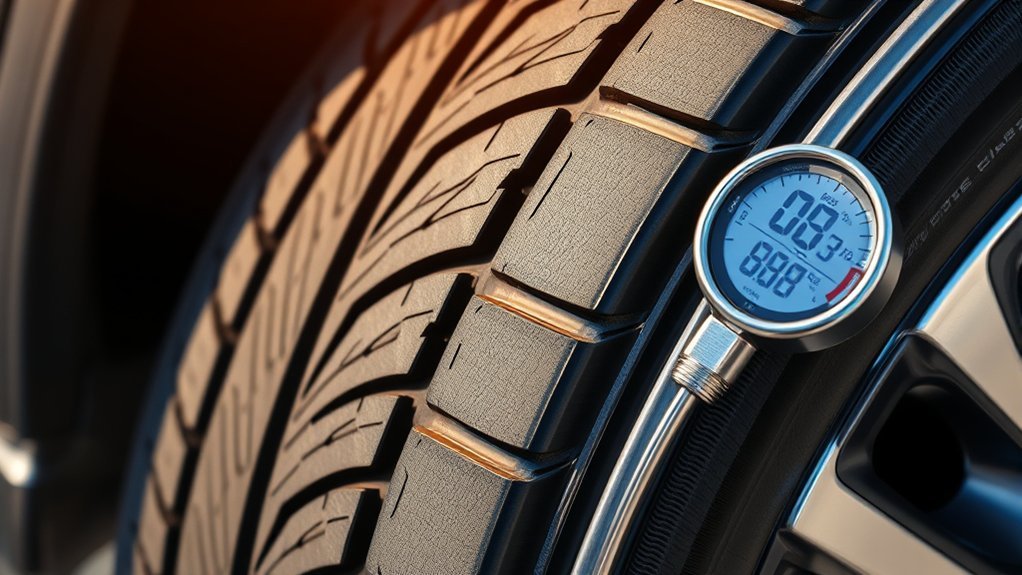
The ideal tire pressure for both the front and rear tires of your 2021 Toyota Highlander Hybrid sits at 36 PSI. You must check this pressure when the tires are cold for the most accurate readings. Cold tires have rested for at least three hours without driving.
The vehicle features a Tire Pressure Monitoring System (TPMS) that alerts you to low air levels. Do not rely solely on this digital system to track your wheels. Regular manual checks prevent dangerous blowouts if a sensor fails.
Maintaining the proper 36 PSI optimizes fuel efficiency and handling. It also prevents premature tread wear, saving you money on early tire replacements.
Why Proper Tire Pressure Matters for Safety and Performance
Keeping your Toyota Highlander’s tires properly inflated improves vehicle handling and stability. This gives you a more responsive driving experience on wet or icy roads.
It also reduces rolling resistance, saving you money at the gas pump. Regular manual checks protect your family on long highway trips.
Enhanced Vehicle Handling
Maintaining the target 36 PSI significantly improves vehicle stability. Correct inflation forces even weight distribution across the rubber tread. This maximizes traction and prevents dangerous skidding during tight turns.
Underinflated tires cause uneven wear and poor cornering. The vehicle will feel sluggish and heavy when you steer. Regularly checking the air levels extends tire life and smooths out your daily ride.
Improved Fuel Efficiency
You boost your gas mileage when you keep the tires at 36 PSI. Proper maintenance ensures maximum road contact and reduces rolling drag. According to the U.S. Department of Energy, proper inflation can improve fuel economy by up to 3%.
Underinflated tires wear out faster, forcing you to buy early replacements. Low pressure costs you money at the pump and at the tire shop. You should check your pressure monthly to adjust for seasonal weather changes.
How Temperature Affects Your Tire Pressure
Weather plays a major role in how much air your tires hold. Hot asphalt and high friction cause the air inside to expand. Freezing winter mornings cause the air to contract and drop the pressure.
Monitoring these seasonal shifts prevents unexpected flat tires. You must adjust the air levels manually as the seasons change.
Pressure Increase When Heated
The friction from highway driving heats up the rubber quickly. This heat causes the air pressure to expand by two to three PSI. You must monitor this closely during long summer road trips.
The Ideal Gas Law states that as temperature rises, pressure within a closed container increases. Check your tires after they cool down to verify they meet the 36 PSI standard. Releasing hot air can leave you dangerously underinflated the next morning.
Cold Weather Pressure Drop
Freezing weather causes a sharp drop in your tire pressure. You lose about one PSI for every 10-degree decrease in outside temperature. This physical change makes winter monitoring incredibly important.
Ensure your cold tires stay inflated to the target 36 PSI. Your TPMS light often triggers on cold mornings until the tires warm up from driving. Ignoring this light in winter can lead to severe rim damage.
Adjusting for Seasonal Weather Changes
Drastic season changes demand manual air adjustments. Fall and winter require you to add air to combat the shrinking cold pressure. You must stay proactive to keep the wheels properly inflated.
Spring and summer require careful checks to ensure hot asphalt does not overinflate the tires. Always perform these adjustments in the morning before driving the vehicle.
How to Check Your Tire Pressure Accurately
Start with a reliable digital or analog tire pressure gauge. Ensure the tires have rested for at least three hours so they remain cold. Remove the air valve cap and press the gauge firmly onto the valve stem.
Hold the gauge steady for two seconds to record an accurate reading. Compare your gauge reading to the required 36 PSI target. Add air using a compressor if the reading falls below the target.
Press the small pin inside the valve stem to release air if it reads too high. You should test your tires at least once a month and before every long trip. Proper testing takes less than five minutes.
Common Signs of Incorrect Tire Pressure
Recognizing a slow leak early prevents expensive wheel damage. Low pressure causes the bottom of the tire to look noticeably flat or squished. Overinflated tires bulge at the sidewalls and feel overly stiff over bumps.
Check your tread patterns for rapid, uneven wear. Low pressure wears out the outside edges, while high pressure destroys the center tread. Conduct a quick visual walkaround before you drive to spot these warnings.
Pay immediate attention if the yellow TPMS light activates on your dashboard. Driving on flat tires destroys the sidewall and creates an extreme blowout risk. Always pull over safely to inspect your wheels when the warning light appears.
Understanding Your Tire Pressure Monitoring System (TPMS)
The digital monitoring system tracks the air level in all four wheels. A yellow horseshoe-shaped light activates on your dashboard when pressure drops dangerously low. Cold morning temperatures frequently trigger false alarms until friction warms the tires.
Flashing TPMS lights indicate a malfunction with the system itself. This usually means the internal sensor batteries have died. A professional technician must replace dead sensors and recalibrate the system.
How to Reset the TPMS Light
Sometimes the warning light remains on even after you fill the tires. You can reset it by driving at 50 miles per hour for ten minutes. This allows the sensors to register the new air levels.
You can also press and hold the TPMS reset button located under the steering wheel. Hold the button until the dashboard light blinks three times. Wait a few minutes for the computer to recalibrate the baseline pressure.
Adjusting Your Tire Pressure: A Step-by-Step Guide
Filling your tires takes only a few minutes. You need a quality digital gauge and access to an air pump. Follow these simple steps to keep your Highlander running safely.
Proper Tools Needed
Grab the right equipment before you start the process. Keep these items stored in your trunk for emergencies:
- Digital gauge: Provides the most accurate PSI reading.
- Air compressor: Fills the tires quickly and safely anywhere.
- Valve caps: Prevents dirt and moisture from ruining the valve core.
- Owner’s manual: Confirms factory specifications and dashboard reset procedures.
Step-by-Step Procedure
Use this method to safely inflate your wheels. First, confirm the target 36 PSI on the driver-side door jamb sticker. Second, unscrew the plastic valve cap and set it somewhere safe.
Third, press the air pump nozzle firmly onto the stem until you hear air flowing into the tire. Check the progress frequently with your gauge to prevent overinflation.
Release tiny bursts of air if you accidentally exceed 36 PSI. Finally, screw the plastic cap back on tightly to seal out debris. Repeat this process for all four main wheels.
Do Not Forget the Spare Tire Pressure
Drivers frequently neglect the spare tire until an emergency strikes. The 2021 Highlander Hybrid features a compact spare located under the rear cargo floor. This space-saver spare requires a much higher pressure of 60 PSI.
You should check the spare tire twice a year to ensure it holds enough air. A flat spare tire leaves you stranded on the side of the road. Use a standard compressor to top it off during routine maintenance.
How Tire Pressure Affects Fuel Efficiency
Proper inflation directly impacts how much you spend at the gas pump. Keeping your tires exactly at 36 PSI improves fuel efficiency by up to 3%. A drop of just one PSI lowers your gas mileage by about 0.2%.
Underinflated tires drag along the pavement and force the hybrid engine to work harder. Keeping them firm provides several clear benefits:
- Reduced rolling resistance: Firm tires glide easily over the pavement.
- Extended tire life: Proper inflation prevents edge wear and early replacement.
- Maximum traction: Even contact patches grip the road safely during rain.
- Lower fuel costs: The engine uses less gas to push the vehicle forward.
Recommended Tire Maintenance Practices for Your Highlander
Routine maintenance prevents sudden failures and expensive replacements. Start by inspecting the air levels monthly using a reliable digital tool. Ensure both the front and rear sit firmly at 36 PSI.
Rotate your tires every 5,000 miles to distribute wear evenly across all four wheels. Inspect the rubber visually for deep cuts, sidewall bubbles, or missing chunks.
You must replace the tires when the tread depth reaches 2/32 of an inch. A simple penny test helps you measure this minimum safe depth. Always consult a certified Toyota mechanic if you notice steering vibrations or pulling.
Where to Get Professional Tire Assistance
You do not have to handle stubborn tire issues alone. Several professional options exist to keep your vehicle safely on the road. Visit a local tire shop if your wheels lose air consistently over a few days.
- Toyota dealerships: Certified technicians diagnose complex sensor faults quickly.
- Local tire shops: Professionals patch small punctures and balance the wheels.
- Owner’s manual: The booklet provides exact manufacturer specifications for your trim level.
- Digital forums: Online owner groups share troubleshooting tips for common warning light issues.
Frequently Asked Questions
What Should Tire Psi Be on a Toyota Highlander?
Your 2021 Toyota Highlander Hybrid needs 36 PSI for both front and rear tires. You must measure this when the wheels are cold. Check the levels monthly to maintain safe handling and fuel economy.
Is 40 Psi Good Tire Pressure for a Toyota?
No, 40 PSI is too high for everyday driving in a Highlander. Overinflation makes the ride incredibly harsh and wears out the center of the tread. It also increases your risk of a sudden blowout on hot pavement.
Should I Run 35 or 40 Psi for Tires?
You should aim for exactly 36 PSI. A reading of 35 PSI remains safe but might trigger a warning light on a very cold morning. Pushing the pressure up to 40 PSI sacrifices your grip and creates an uncomfortable ride.
Should Your Front and Back Tires Be the Same Psi?
Yes, Toyota designed the Highlander Hybrid to use 36 PSI on all four main wheels. Different pressures cause the vehicle to pull to one side and wear unevenly. Consistent inflation guarantees predictable steering and maximum safety.
Conclusion
Proper tire inflation stands as the easiest and most effective way to protect your vehicle. Grab a digital gauge today and verify that all four wheels sit exactly at 36 PSI. Taking five minutes to maintain your tires keeps you safe, saves gas money, and ensures your Highlander performs flawlessly for years to come.







Leave a Reply