
A sudden car breakdown can easily wreck your monthly budget. Fortunately, a new Toyota includes factory protection to shield you from unexpected repair bills. The Toyota Limited Comprehensive Warranty covers almost every vehicle component against manufacturing defects. Knowing exactly what this warranty includes helps you avoid out-of-pocket costs and keeps your car running smoothly.
Quick Answer
The Toyota Limited Comprehensive Warranty pays to repair factory defects in materials and workmanship for 36 months or 36,000 miles. It covers parts and labor for most vehicle components, but it strictly excludes normal wear-and-tear items like brake pads, wiper blades, and routine oil changes.
What Is Covered by the Toyota Limited Comprehensive Warranty?

Buying a new Toyota gives you immediate protection through the Limited Comprehensive Warranty. According to Toyota’s official warranty guide, this basic coverage lasts for 36 months or 36,000 miles, whichever comes first.
This coverage fixes defects in materials and workmanship. If a factory part fails prematurely, Toyota pays for the necessary repairs and adjustments. This safety net keeps your vehicle functioning perfectly without draining your wallet.
You must take your car to an authorized dealership for these covered repairs. Toyota-trained technicians will fix the issue using official Toyota parts. This strict process protects your vehicle and ensures the repairs meet high factory standards.
What Does the Warranty Exclude?
The Limited Comprehensive Warranty covers many parts, but it leaves out specific items and situations. You need to know these exclusions to avoid surprise bills at the repair shop.
Knowing the exact exclusions of your Toyota warranty prevents unexpected costs and helps you plan better vehicle care.
- Routine Maintenance Items: The warranty excludes regular upkeep like oil changes, tire rotations, and fluid top-offs.
- Wear-and-Tear Parts: You must pay out-of-pocket for items that degrade naturally, such as brake pads, wiper blades, and clutch linings.
- Unauthorized Modifications: Installing aftermarket parts can void the warranty on any components those modifications affect.
- Accidents and Weather: Toyota will not cover damage from collisions, misuse, neglect, or natural disasters.
Keep in mind that using your Toyota for commercial work might alter your coverage limits. Check your specific warranty handbook if you use your car for business.
Coverage Duration and Key Limits
You must track your vehicle’s age and mileage to maximize your warranty benefits. The Limited Comprehensive Warranty lasts exactly 36 months or 36,000 miles. The clock starts ticking on the date of first use.
This timeframe strictly applies to factory defects. If a covered part breaks during this period, the dealership will replace it for free. However, waiting too long to report an issue could leave you paying the entire bill.
Always address strange noises or warning lights immediately. Bringing your car to a certified Toyota technician early ensures the repair falls inside your valid coverage window.
How Does the Powertrain Warranty Protect You?
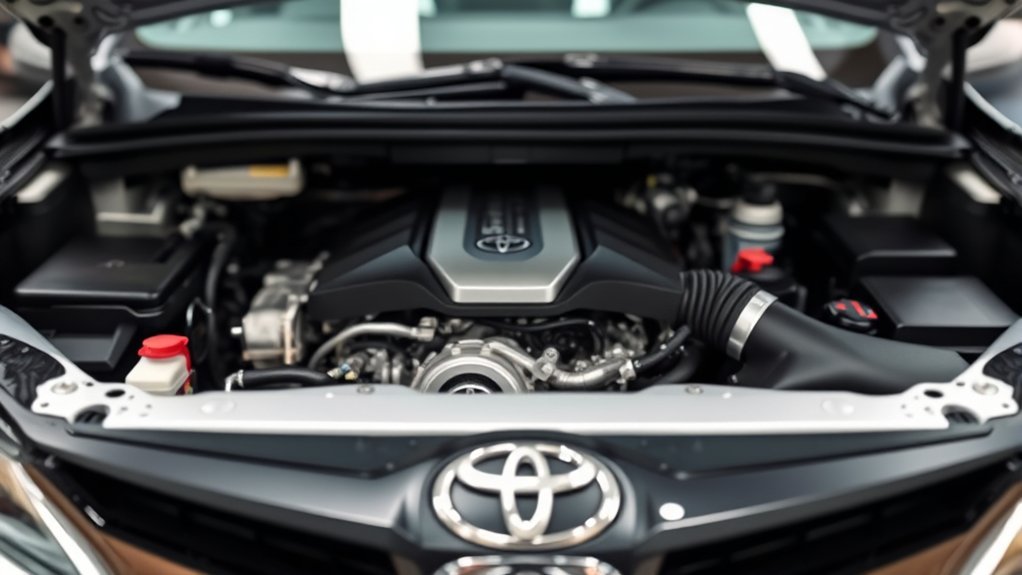
A broken engine or transmission can cost thousands of dollars to fix. The Toyota Powertrain Warranty protects you from these massive bills. This coverage lasts for 60 months or 60,000 miles, offering long-term security for the most expensive parts of your car.
The Toyota Powertrain Warranty secures your largest investment by covering the engine and transmission for 60 months or 60,000 miles.
Here are four reasons why this long-term coverage matters:
- Financial Protection: It shields your bank account from severe repair costs if major mechanical parts fail.
- Clear Guidelines: The warranty booklet outlines every covered engine, transmission, and drivetrain part.
- Factory Reliability: This 60,000-mile promise proves Toyota stands firmly behind its engineering and build quality.
- Long-Term Value: Powertrain coverage keeps your car on the road longer and preserves its resale value.
Does the Warranty Cover Free Maintenance?
Many drivers confuse the basic warranty with ToyotaCare. The basic warranty does not pay for routine maintenance. However, Toyota provides a separate program called ToyotaCare with every new vehicle purchase.
ToyotaCare covers normal factory-scheduled maintenance for two years or 25,000 miles. This program pays for engine oil changes, tire rotations, and multi-point inspections. It also includes 24-hour roadside assistance for two years with unlimited miles.
Can You Transfer the Toyota Warranty to a New Owner?
Selling your car before the warranty expires is easier because Toyota warranties transfer to the next owner. The remaining coverage on both the Limited Comprehensive and Powertrain warranties automatically moves to the buyer.
You do not have to pay any transfer fees or fill out extra paperwork. This built-in benefit increases the resale value of your vehicle. The new owner simply brings the car to a Toyota dealer for covered repairs.
How to File a Toyota Warranty Claim
Fixing a broken part under warranty requires a simple but strict process. You must take the right steps to ensure Toyota approves your claim.
First, drive your vehicle to an authorized Toyota dealership. Independent mechanics cannot perform warranty repairs. Tell the service advisor about the issue and ask them to verify your warranty status using your vehicle identification number.
The dealership will inspect the vehicle to confirm a factory defect caused the problem. If the warranty covers the repair, the dealer will handle the paperwork and bill Toyota directly. You simply pick up your keys when the car is ready.
Common Issues Covered by the Toyota Warranty
Your warranty covers thousands of individual parts, but some claims happen more often than others. Knowing these common fixes helps you recognize when to visit the dealer.
Here are the most frequent repairs covered under this warranty:
- Electrical Malfunctions: Dealerships frequently fix faulty infotainment screens, power windows, and sensor glitches.
- Suspension Defects: The warranty pays to replace leaking struts or defective ball joints.
- Climate Control Failures: Mechanics will fix broken air conditioning compressors or faulty heater cores.
- Early Adjustments: Toyota covers wheel alignments and wheel balancing, but only for the first 12 months or 12,000 miles.
Always consult your local dealership or review your official warranty booklet to confirm exact coverage details for your specific vehicle year.
Frequently Asked Questions
What Does the Toyota Comprehensive Warranty Cover?
The basic warranty covers repairs for factory defects in materials and workmanship. The coverage lasts for 36 months or 36,000 miles. It pays for parts and labor on almost all vehicle components, except for normal wear-and-tear items.
What Does a Limited Comprehensive Warranty Cover?
A limited comprehensive warranty acts as a financial safety net for a set time. It covers most essential repairs and defects. You must follow the factory maintenance schedule to keep this coverage active.
What Does a Comprehensive Warranty Not Cover?
It will not pay for routine maintenance, accidental damage, or natural wear. You must pay for your own oil changes, brake pads, and tire replacements. Damage from severe weather or reckless driving also falls outside the warranty.
What Is Not Covered Under the Toyota Warranty?
Toyota excludes wear items, custom aftermarket modifications, and damage from neglect. You must service your vehicle regularly to maintain coverage. Failing to fix a small issue quickly can void the warranty on that specific part.
Conclusion
Your Toyota warranty offers powerful protection against expensive manufacturing defects. Track your mileage closely and schedule a dealer visit the moment you notice an unusual noise or warning light. Protect your investment by keeping up with routine maintenance and storing your service records safely in the glovebox.







Leave a Reply