Quick Answer
Toyota’s Rear Cross Traffic Alert (RCTA) is a safety system that uses radar sensors to detect vehicles approaching from the sides when you back up. The system activates automatically when you shift into reverse and sounds an alarm if a car crosses your path. It helps you avoid collisions in busy parking lots where visibility is poor.
Backing out of a blind parking space feels like a guessing game. You inch backward, hoping another driver does not speed past your rear bumper. Toyota’s Rear Cross Traffic Alert (RCTA) removes that guesswork by watching your blind spots. This guide explains how the system works and how to use it safely.
What Is Rear Cross Traffic Alert (RCTA)?
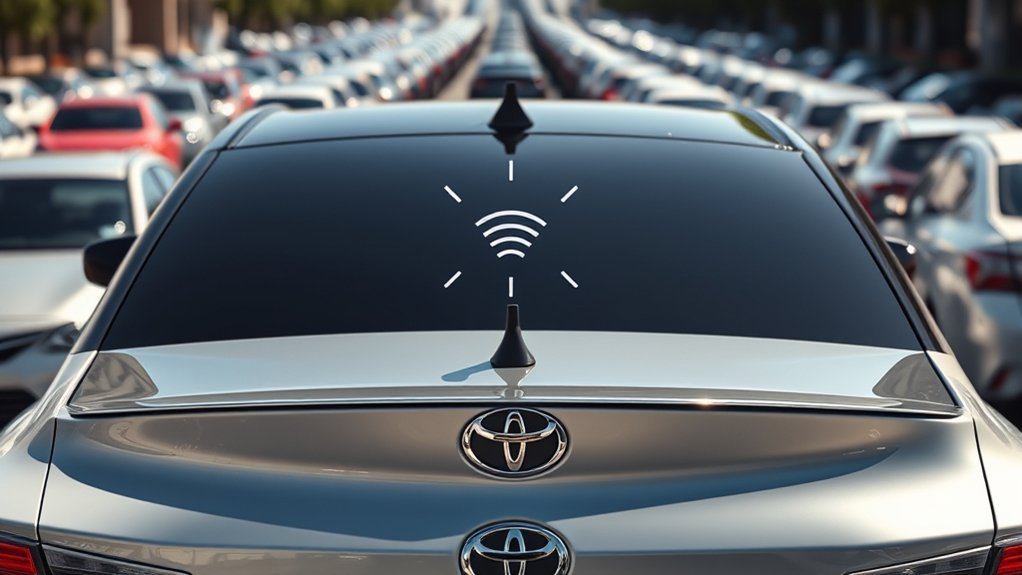
Rear Cross Traffic Alert (RCTA) is an advanced safety feature in many Toyota vehicles. The system detects cars approaching from the sides when you back out of a parking space. It uses radar sensors mounted inside the rear bumper to monitor cross traffic.
When a vehicle enters the detection zone, RCTA warns you with audible beeps and flashing lights on the side mirrors. The system turns on automatically when you shift the car into reverse. This feature gives you extra warning in tight spaces with poor visibility.
While RCTA boosts your safety, it does not replace your responsibility as a driver. Always check your mirrors and look over your shoulder, as the system might miss low-lying objects or narrow hazards.
How Does RCTA Work in Your Toyota?
When you shift your Toyota into reverse, the RCTA system activates instantly. The radar sensors scan the area behind and to the sides of your rear bumper. They look for vehicles driving down the aisle toward your car.
If the sensors detect a moving vehicle, the system triggers an alert. You will hear a warning chime inside the cabin. You will also see a visual warning flash on the dashboard and side mirrors.
This system acts as a reliable second set of eyes in cramped parking areas. It spots moving cars long before they enter the view of your backup camera.
Radar Sensor Range and Speed
The system uses powerful radar sensors to scan for approaching vehicles. These sensors detect cars moving at speeds between 5 and 18 mph. This speed range matches typical driving behavior in busy shopping centers and parking garages.
The radar extends wide down the parking aisle. This broad scanning area gives you a much wider view than standard rear cameras or ultrasonic parking sensors.
Alert Mechanisms Explained
Toyota designed the RCTA alert system to grab your attention immediately. The system uses a combination of sights and sounds to keep you safe.
- Activates automatically when you shift into reverse.
- Works while your vehicle reverses at speeds under 5 mph.
- Sounds a clear warning chime inside the cabin.
- Flashes indicator lights in the exterior side mirrors.
- Displays warning arrows on the dashboard screen or backup camera view.
Why Do You Need RCTA for Daily Driving?
Drivers often struggle to see approaching traffic when reversing from tight parking spots. Research from the National Safety Council shows that about 20 percent of all car accidents happen in parking lots. RCTA provides a crucial line of defense in these high-risk areas.
A study by the Insurance Institute for Highway Safety (IIHS) found that RCTA reduces backing crashes by 22 percent. The system spots fast-moving hazards long before your eyes can. This early warning gives you time to hit the brakes and stop safely.
RCTA vs. Parking Sensors: What Is the Difference?
Many drivers confuse RCTA with standard parking sensors, but they perform very different jobs. Parking sensors detect stationary objects like walls or parked cars directly behind you. RCTA actively monitors for moving vehicles approaching from the sides.
Here is how RCTA sets itself apart:
- Uses long-range radar to monitor crossing traffic.
- Tracks vehicles traveling between 5 and 18 mph.
- Provides visual warnings in the side mirrors instead of just dashboard beeps.
- Links with automatic emergency braking on select trims to stop the car if needed.
How Do You Use RCTA Safely While Reversing?
You must treat RCTA as an aid, not a complete solution. Always turn your head and check your surroundings before backing up. Shift into reverse and keep your foot on the brake while the system starts scanning.
Back up slowly at speeds under 5 mph. Stop your car immediately if the system beeps or flashes. Wait for the crossing vehicle to pass before you continue reversing.
Remember that RCTA works best when you back straight out of a space. Angled parking spots limit the radar’s range and effectiveness.
What Are the Limitations of the RCTA System?
Drivers often assume RCTA catches every hazard, but the system has clear blind spots. You must understand these limits to avoid dangerous parking lot mistakes. Always read your owner’s manual for specific details on your exact model.
Keep these limitations in mind:
- Struggles to detect objects accurately in angled parking spaces.
- Fails to see low-lying objects like small children or pets.
- Misses narrow hazards like bicycles or shopping carts.
- Requires a clean rear bumper to function properly.
- Cannot stop the car unless your model includes Rear Cross Traffic Auto Brake.
Always consult a qualified professional or your Toyota dealer to understand your vehicle’s specific safety features.
How Do You Turn RCTA On and Off?
The RCTA system activates automatically every time you start your vehicle and shift into reverse. You might need to turn the system off if you tow a trailer or attach a bike rack. You control these settings directly through the Multi-Information Display on your dashboard.
Use the directional arrows on your steering wheel to scroll to the gear icon. Select the RCTA option and press the OK button to toggle the system on or off. If you disable the system, an orange warning light will appear on your dashboard.
The system will stay off until you toggle it back on, so remember to reactivate it once you finish towing.
Which Toyota Models Feature RCTA?
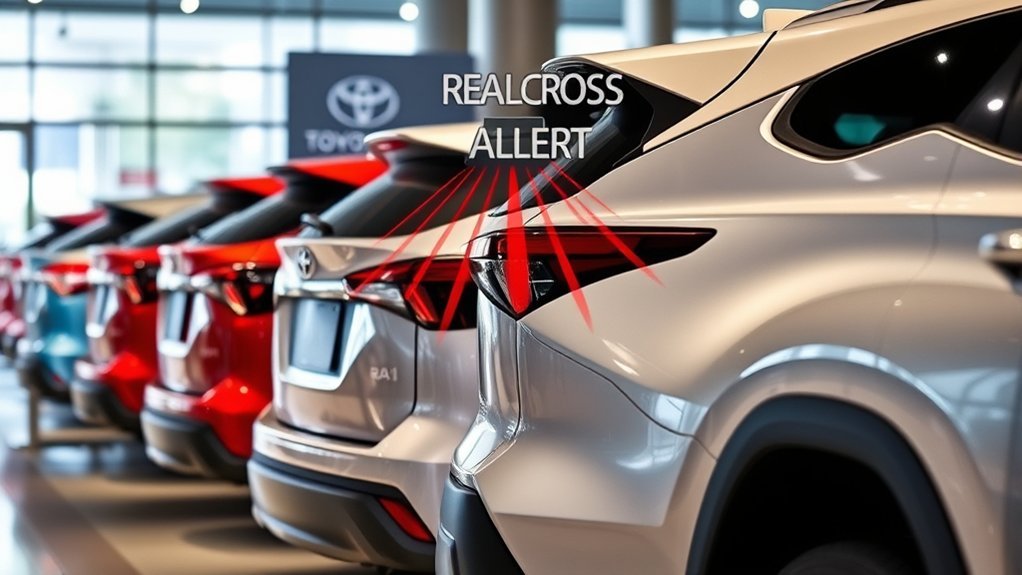
Toyota includes RCTA on many modern vehicles as part of the Toyota Safety Sense package. The automaker offers this feature on sedans, SUVs, and trucks. Most mid-level and premium trims include it as standard equipment.
You can find RCTA on these popular models:
- Camry
- RAV4
- Highlander
- Corolla
- Tacoma
Ask your local dealer if a specific trim level includes the system. You can also check the vehicle window sticker for the exact safety features included from the factory.
How Do You Maintain Your RCTA Sensors?
Dirty sensors can cause the RCTA system to fail or trigger false alarms. The radar sensors sit behind the rear bumper cover on the corners of the vehicle. You must keep this outer plastic area clean for the radar waves to penetrate properly.
Wash your rear bumper regularly to remove mud, snow, and road salt. Do not apply thick stickers, bumper guards, or aftermarket paint over the sensor areas. Take your car to a mechanic if the dashboard displays a permanent system malfunction warning.
Frequently Asked Questions
How Does the Toyota Rear Cross Traffic Alert Work?
The system uses radar sensors hidden inside the rear bumper to scan for moving vehicles. It sounds an alarm and flashes warning lights in your side mirrors when a car crosses your backing path.
Does RCTA Stop the Car Automatically?
RCTA only warns the driver with sights and sounds. It will not apply the brakes unless your specific Toyota model also features Rear Cross Traffic Auto Brake (RCTAB).
Why Does My Car Display a Check Rear Cross Traffic System Warning?
This warning usually means dirt, snow, or ice blocks the rear bumper sensors. Clean the outer bumper corners first. Visit a service center if the message stays on the screen after cleaning.
What to Do Next
Toyota’s Rear Cross Traffic Alert acts as a reliable second set of eyes when you back out of tight spaces. Take a moment during your next drive to find the RCTA settings on your dashboard and ensure the system is on. You will navigate busy parking lots with much more confidence knowing this technology monitors your blind spots.





Leave a Reply