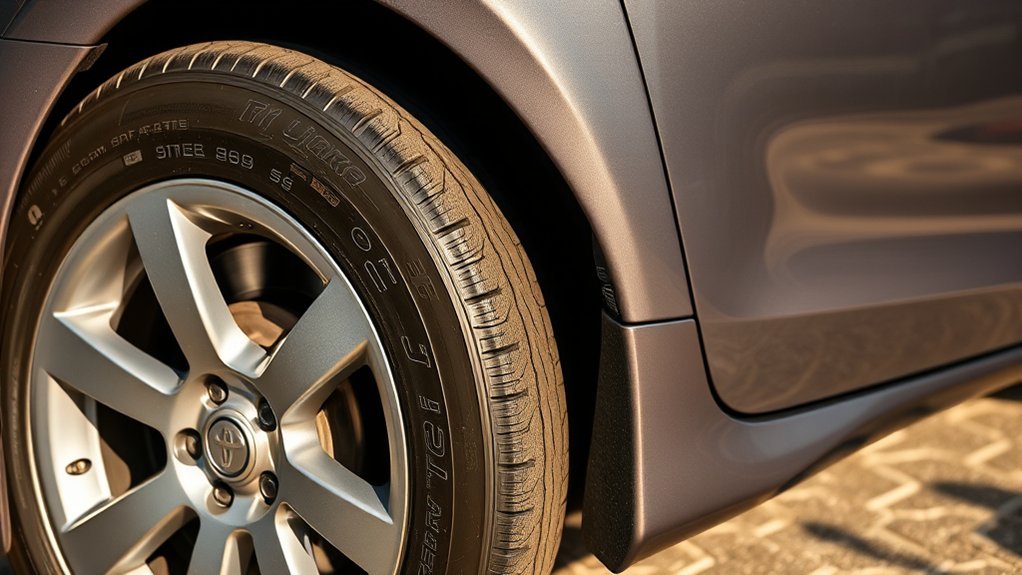
A sudden tire blowout on the highway puts your passengers at immediate risk. You can prevent this danger by keeping your Toyota Sienna tires at the exact pressure the manufacturer requires. This guide explains how to find your correct PSI, check it accurately, and adjust for heavy cargo.
Quick Answer
Most Toyota Sienna models require 35 PSI for both front and rear tires, though some older trims suggest 35 PSI in the front and 33 PSI in the rear. Check the sticker inside your driver side door jamb for your exact vehicle specifications. Always measure pressure when the tires are cold for an accurate reading.
Why Correct Tire Pressure Keeps Your Family Safe
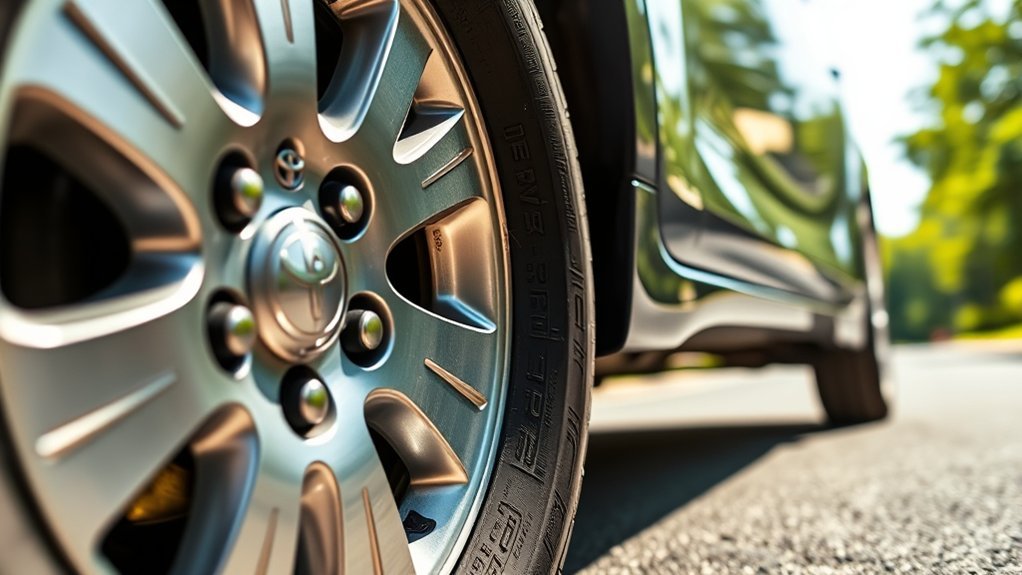
Maintaining the correct tire pressure directly improves fuel economy and extends tire life. According to the National Highway Traffic Safety Administration, proper inflation gives you the best control over your vehicle.
Under-inflated tires cause increased friction, reduced traction, and longer braking distances. Over-inflated tires make your ride harsh and cause the center of the tire to wear out rapidly.
Under-inflated tires increase wear and reduce traction, while over-inflated tires create a harsh ride and uneven tread wear.
Check your tire pressure regularly while the tires are cold. Temperature changes alter the pressure inside the tire quickly. Keep your tires properly inflated to protect your wallet and your passengers.
Use the Toyota app or your dashboard monitor to track your pressure on the road. Proper maintenance gives you confidence and keeps your minivan performing at its peak.
Toyota Sienna Recommended Tire Pressure by Position
Most modern Toyota Sienna models require 35 PSI for all four tires. Some older models or specific load setups might suggest 35 PSI for the front tires and 33 PSI for the rear.
You must check the tire and loading information label on your driver side door jamb to find the exact requirement for your specific vehicle. Ignoring these manufacturer guidelines will cause poor braking performance.
Heat artificially inflates the pressure inside the tire, so always measure them before you start driving. Using the recommended PSI promotes safer driving and keeps your gas mileage high.
Steps to Check Your Tire Pressure Correctly
You need a reliable digital or analog pressure gauge to get an accurate reading. Buy a quality gauge from any local auto parts store.
Check your tires in the morning before driving. Driving heats the air inside the rubber and gives you a falsely high reading.
Follow these simple steps to check your pressure:
- Unscrew the plastic valve cap from the tire stem.
- Press the pressure gauge firmly over the open valve stem.
- Read the number on the gauge and compare it to your door jamb sticker.
- Add air if the number is low, or release air if the number is high.
- Replace the valve cap tightly to block dirt and moisture.
Make this routine part of your monthly vehicle checks to catch slow leaks early.
The Dangers of Incorrect Tire Inflation
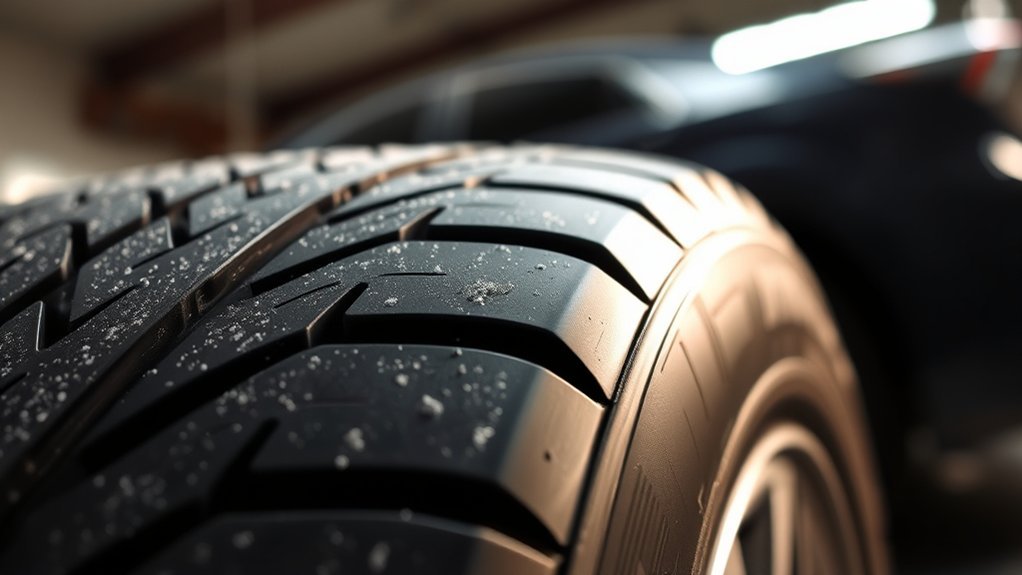
Incorrect tire pressure severely compromises your minivan performance. Under-inflated rubber sags, which causes the outer edges of the tread to wear down rapidly.
Over-inflated tires bulge in the middle, reducing the amount of rubber touching the asphalt. This reduces grip and makes steering feel unstable.
Both conditions increase your braking distance during emergencies. A tire with too much air creates a stiff, uncomfortable ride over bumps. A tire with too little air feels sluggish and unresponsive.
According to automotive safety experts, low pressure also forces your engine to work harder, which burns more gas. Keep your tires properly inflated to protect your wallet and your passengers.
Adjusting Tire Pressure for Heavy Loads
Your minivan hauls heavy cargo and large groups of people. You must adjust your tire pressure when carrying significant weight.
Adjusting your tire pressure for heavy loads ensures better handling and prevents dangerous blowouts.
Check your owner manual for specific towing or heavy load pressure ratings. Some manufacturers recommend adding a few extra PSI when hauling a trailer or filling all passenger seats.
Do not exceed the maximum pressure listed on the tire sidewall. The sidewall number is the absolute maximum the tire can hold, not the recommended driving pressure.
Reset the pressure back to the normal 35 PSI once you unload the vehicle.
Troubleshooting TPMS Warning Lights
Your Tire Pressure Monitoring System alerts you when a tire loses significant air. Address these dashboard warning lights immediately.
A solid light means one or more tires have low pressure. A blinking light usually points to a broken sensor.
Understanding these signals helps you fix the problem before it causes a flat tire.
What Different TPMS Lights Mean
A solid TPMS light requires immediate action. Pull over safely and check all four tires with a manual gauge.
The light triggers when pressure drops 25 percent below the recommended level. Fill the tires to the correct level and drive for a few minutes to reset the light.
If the light flashes for one minute and then stays solid, the system has a malfunction. The sensors inside the wheels operate on small batteries that die over time.
Replacing a Faulty TPMS Sensor
Mechanics must replace a faulty TPMS sensor to restore accurate dashboard readings. Sensor batteries typically last five to ten years.
Buy genuine manufacturer parts to ensure the system syncs correctly with your vehicle computer.
The system requires a manual reset after a mechanic installs the new sensor. You can reset the system through the dashboard menu or by pressing the button under the steering wheel.
Daily Habits for Better Tire Health
Check your tires often to catch slow leaks early. Adjust your pressure as the seasons change to keep the numbers accurate.
Monitoring tire pressure consistently ensures safety and strong performance for your Toyota Sienna.
Checking Pressure Monthly
Monthly checks keep your vehicle running efficiently. Measure the pressure before a long road trip or whenever you notice a change in handling.
Rely on a manual gauge rather than waiting for the dashboard light to turn on. The light only triggers after a dangerous drop in pressure.
Keep a digital gauge in your glovebox so you always have it ready. Always refer to your owner manual for specific guidelines.
Handling Seasonal Temperature Shifts
Cold weather shrinks the air inside your tires. The pressure drops roughly one PSI for every 10 degrees the outside temperature falls.
Check your tires on the first freezing morning of winter. You will likely need to add air to reach 35 PSI.
Hot summer pavement expands the air. Do not release air from a hot tire, because the pressure will drop too low once the tire cools overnight.
When to Visit a Mechanic
Some tire problems require professional tools and knowledge. Visit a mechanic if your TPMS light flashes continuously.
Ask a technician to check your alignment if you notice the tread wearing out unevenly. Uneven wear points to suspension issues that air pressure cannot fix.
Seek help if your steering wheel vibrates at highway speeds. A qualified tire professional will balance the wheels and inspect the rubber for internal damage.
Always consult a certified mechanic before making major repairs to your vehicle steering or suspension.
Frequently Asked Questions
What Is the Correct Tire Pressure for a Toyota Sienna?
Most Toyota Sienna models require 35 PSI for all four tires. Check the sticker inside the driver door frame to confirm the exact numbers for your specific vehicle year and trim.
Is 40 Psi Good Tire Pressure for a Toyota?
No, 40 PSI is generally too high for standard driving. Over-inflation reduces the amount of tread touching the road. Stick to the manufacturer requirement to maintain maximum grip and safety.
Should I Run 35 or 40 Psi for Tires?
You should run 35 PSI for a balanced, safe, and efficient ride. Running 40 PSI creates a stiff ride and causes the center of the tire to wear out faster. Always measure pressure while the tires are cold.
Should Your Front and Back Tires Be the Same Psi?
Most modern minivans use the same pressure for all four tires. A few specific older models might require different numbers for the front and rear. Check your door sticker to verify the exact requirement for your axles.
Next Steps for Toyota Sienna Owners
Correct tire pressure gives you better fuel economy and protects your passengers on the highway. Check your door jamb sticker today to confirm your exact vehicle requirements. Buy a digital gauge and test all four tires tomorrow morning before you drive. Taking these simple steps keeps your minivan running safely for years to come.






Leave a Reply