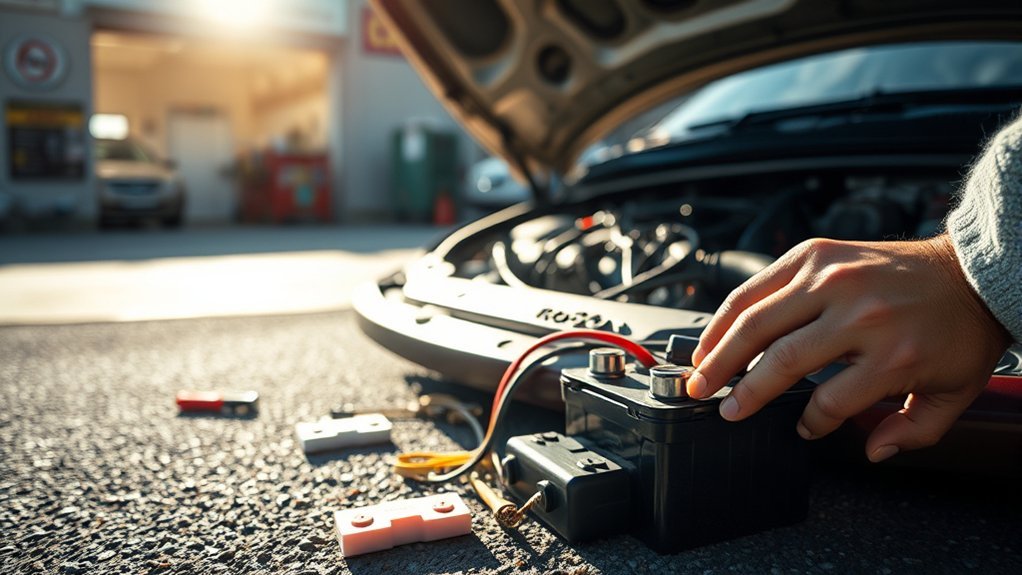
If your car won’t start, it could be a dead battery, faulty ignition switch, or electrical issues. Symptoms like dim dashboard lights or clicking sounds often signal these problems. A clogged fuel filter may restrict fuel flow, hindering ignition. It’s essential to check connections and condition of your battery, starter, and ignition components, as visible wear can indicate deeper issues. Discover more on how to troubleshoot effectively and what steps to take next.
Key Takeaways
- A dead battery is the most common cause; check for dim dashboard lights or silence when turning the key.
- Faulty ignition switches may prevent the key from turning, blocking power to the starter motor.
- Electrical issues, such as corroded terminals or a failing alternator, can drain the battery and hinder starting.
- Inspect the fuel system; a clogged fuel filter or faulty fuel pump relay can restrict fuel flow necessary for ignition.
- Continuous starting problems, especially clicking sounds, may require professional diagnosis to identify deeper electrical or mechanical issues.
Common Reasons Your Car Won’t Start
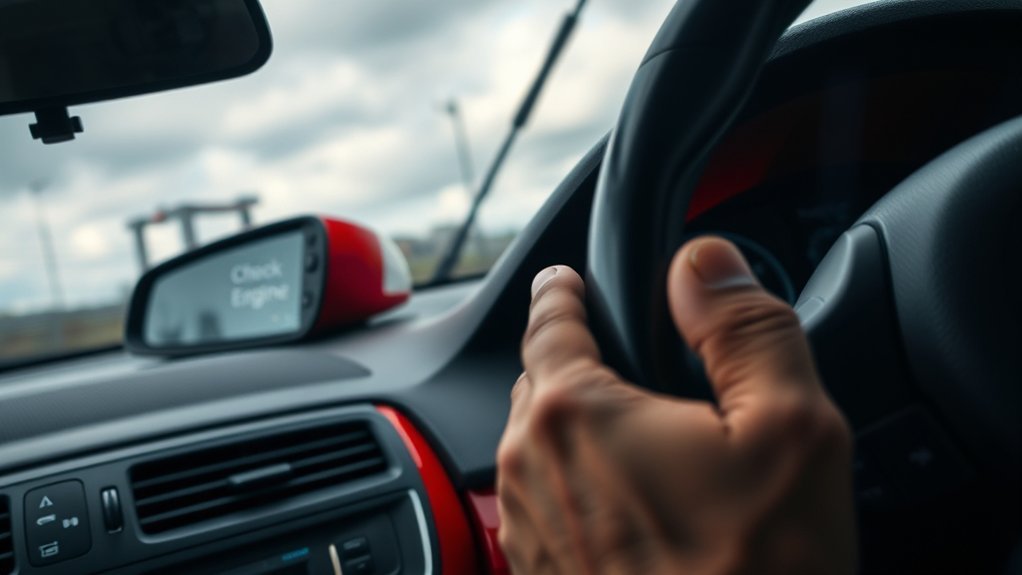
When your car won’t start, it can be frustrating, especially if you’re not sure what’s causing the issue. A dead battery is often the most common culprit, evident through dim dashboard lights or no response when you turn the key.
If the ignition switch is faulty, it might block power from reaching the starter motor, leading to symptoms like a key that won’t turn. Sometimes, you may hear a clicking sound, indicating the starter isn’t engaging properly.
Electrical issues can also arise, including problems with battery terminals or a bad alternator, which can drain your battery. Additionally, a clogged fuel filter can restrict fuel flow, making starting the car difficult.
Finally, don’t overlook the fuel pump relay; low fuel levels can prevent ignition altogether. Regular checks and maintenance can save you from these scenarios, keeping your vehicle in ideal condition.
Symptoms of Starting Problems
When you turn the key and notice dim dashboard lights, this often signals a weak or dying battery.
If you hear a clicking sound during the start attempt, it typically indicates either a faulty starter motor or insufficient battery power.
Recognizing these symptoms early can help you pinpoint the underlying issues before they escalate.
Dim Dashboard Lights
Dim dashboard lights can be a clear indicator of underlying starting problems, often signaling that your battery is struggling to provide adequate power.
If you notice these dim lights, especially when attempting to start your engine, inspect your electrical connections. Corroded battery terminals or loose cables could be the culprits. An aged battery, typically over 3-5 years, may also fail to hold a charge effectively, leading to insufficient power.
If the lights remain dim and the engine doesn’t crank, consider checking the ignition switch or the starter motor, as they might be preventing power from reaching the starter.
Addressing these issues swiftly can liberate you from the frustration of a car that won’t start.
Clicking Sound When Starting
Hearing a clicking sound as you attempt to start your car often signals an issue with your battery or its connections. This noise indicates that your starter motor isn’t receiving enough power to crank the engine, possibly due to a weak battery or poor battery connections. To troubleshoot, you can try cycling the ignition key multiple times to warm the battery and starter. Tapping on the battery terminals may improve contact, while gently tapping the starter motor can unstick a faulty solenoid. If you drive a manual transmission, employing the clutch pop technique—depressing and quickly releasing the clutch pedal—might also help.
| Potential Issue | Solution |
|---|---|
| Weak battery | Cycle ignition key |
| Poor battery connections | Tap on terminals |
| Stuck starter motor | Tap motor with tire iron |
| Manual transmission | Use clutch pop technique |
| Corroded terminals | Clean and secure connections |
Common Starting Issues and Troubleshooting Steps
When your car won’t start, the first areas to investigate are battery and starter issues.
A dead battery often leads to dim lights or silence upon ignition, while a faulty starter can produce clicking sounds that indicate insufficient power.
Additionally, problems with the ignition switch may prevent starting altogether, so it’s crucial to systematically check these components for a clear diagnosis.
Battery Issues and Solutions
Although various factors can contribute to starting issues, battery problems often top the list. A dead battery is typically indicated by dim dashboard lights and unresponsive car’s electrical systems. Corroded battery terminals can also disrupt connections; cleaning them might resolve the issue.
| Problem | Symptoms | Solution |
|---|---|---|
| Battery is dead | No lights or sounds | Jump-starting a dead battery |
| Corroded battery terminals | Poor connection | Clean terminals |
| Old battery | Battery health declines | Replacing the battery |
| Faulty alternator | Battery won’t recharge | Check charging system |
| Ignored maintenance | Unexpected starting issues | Follow maintenance schedule |
Make sure your battery should read at least 12.6 volts. Regular checks can prevent these common starting issues.
Starter and Ignition Problems
Starting issues can often stem from problems within the starter and ignition systems, which play crucial roles in initiating your vehicle’s engine.
If you hear clicking noises when turning the key, it might indicate a bad starter motor that needs repair or replacement. When dashboard lights illuminate but the engine doesn’t crank, check the starter relay and look for a blown fuse in the starting system.
For manual transmissions, a faulty clutch safety switch could prevent the engine from starting unless the clutch is engaged. Additionally, inspect battery connections closely; even a seemingly functional battery may harbor weak cells that hinder the starter’s engagement.
Addressing these components can liberate your vehicle from frustrating starting issues.
What to Do When the Engine Cranks but Won’t Start
While you might hear the engine cranking, if it won’t start, several factors could be at play.
First, check for fuel delivery issues; a clogged fuel filter or malfunctioning fuel pump relay might prevent fuel from reaching the engine.
Next, inspect the ignition system—faulty spark plugs or ignition coils could hinder the air-fuel mixture from igniting.
Assess the battery voltage, as a weak battery may crank the engine without delivering sufficient power for starting.
It’s also essential to verify adequate engine compression; mechanical issues like a worn timing belt can obstruct starting despite cranking.
Utilize diagnostic tools to check for trouble codes, which can indicate sensor failures, including crankshaft or camshaft position sensors.
How to Troubleshoot When There’s No Click?
If your engine cranks but won’t start, it’s important to explore the possibility that you mightn’t hear any clicking sound when turning the key. This absence of a click can indicate several potential issues.
Start troubleshooting by considering these key points:
Start your troubleshooting by examining these essential points for a no-click, crank-but-no-start situation.
- Shift the gear lever through all positions and return to park; this can sometimes restore electrical contact.
- Move the shifter to neutral and try starting again; it may relate to the neutral safety switch.
- Confirm the battery is securely connected; loose or corroded battery terminals can disrupt electrical current.
- Check for blown fuses related to the starting system, as these can obstruct power from the battery to the starter.
- Inspect the ignition switch for signs of failure, as a faulty switch can prevent the starter from engaging.
When to Call a Professional for Help With Starting Issues
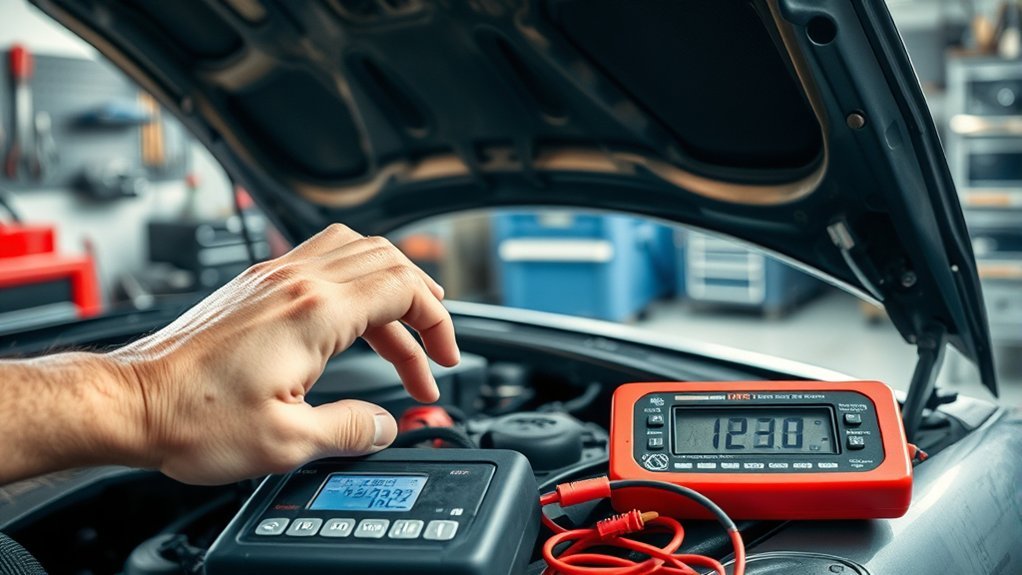
When your car shows persistent starting issues despite your troubleshooting efforts, it’s vital to recognize when professional help is necessary. If your vehicle won’t start, and you hear persistent clicking sounds, it likely indicates a bad battery or starter problem, warranting expert diagnosis.
Visible signs of wear on the battery, starter, or electrical connections should prompt you to seek professional assistance immediately.
Additionally, if you notice dashboard lights failing to illuminate or experience unidentifiable electrical problems, a technician can provide specialized diagnostics to pinpoint the issue.
Unresolved mechanical failures or fuel system issues can also lead to starting problems, making professional evaluation critical to avoid further damage.
Trusting a skilled professional guarantees that these complexities are addressed effectively, allowing you to reclaim your freedom on the road without unnecessary setbacks.
Frequently Asked Questions
How to Troubleshoot a Car That Won’t Start?
To troubleshoot your car, check battery connections for corrosion, inspect for engine issues, assess fuel problems, and evaluate ignition failures. Utilize diagnostic tools to identify starter malfunctions or electrical faults, considering weather effects and maintenance tips.
Why Won’t My Car Start but I Have Power?
If your car won’t start but you have power, check for starter issues, a faulty ignition switch, relay problems, or wiring faults. Don’t overlook battery terminals or the security system affecting the engine immobilizer.
What Is the Most Common Reason a Car Will Not Start?
Is your car refusing to start? Most commonly, battery connections fail, but check for ignition failure, starter issues, blown fuses, fuel pump problems, or even a security system malfunction disrupting your engine immobilizer.
How to Tell if It’s a Dead Battery or Alternator?
To determine if it’s a dead battery or alternator, check battery indicators, voltage readings, and electrical connections. Jump start if needed, and assess the starter motor and charging system for potential power drains or battery lifespan issues.
Conclusion
To sum up, diagnosing why your car won’t start involves understanding common issues and symptoms. Curiously, about 20% of all roadside assistance calls are due to starting problems. By systematically troubleshooting your vehicle, you can often pinpoint the issue, whether it’s a dead battery or faulty starter. Remember, if the engine cranks but won’t start, or if there’s no click at all, don’t hesitate to reach out to a professional for help.





Leave a Reply