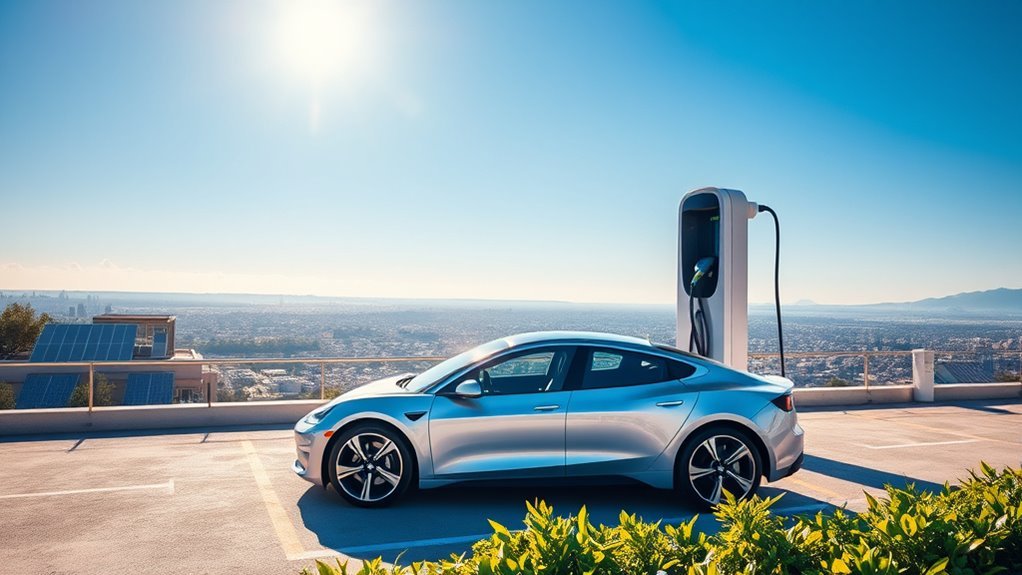
You might wonder why engineers cannot simply build an electric car that charges itself while driving. The short answer involves the fundamental laws of physics. Moving a heavy vehicle at highway speeds demands massive amounts of energy. This article explains why current technology limits self-charging features and how your car actually consumes power on the road.
Quick Answer
Electric vehicles cannot charge themselves because they require an external energy source to overcome physical resistance and move. Systems like regenerative braking only recapture a tiny fraction of the lost kinetic energy during deceleration. You must plug into a charging station to fully replenish an electric car battery.
How Electric Car Batteries Store Power
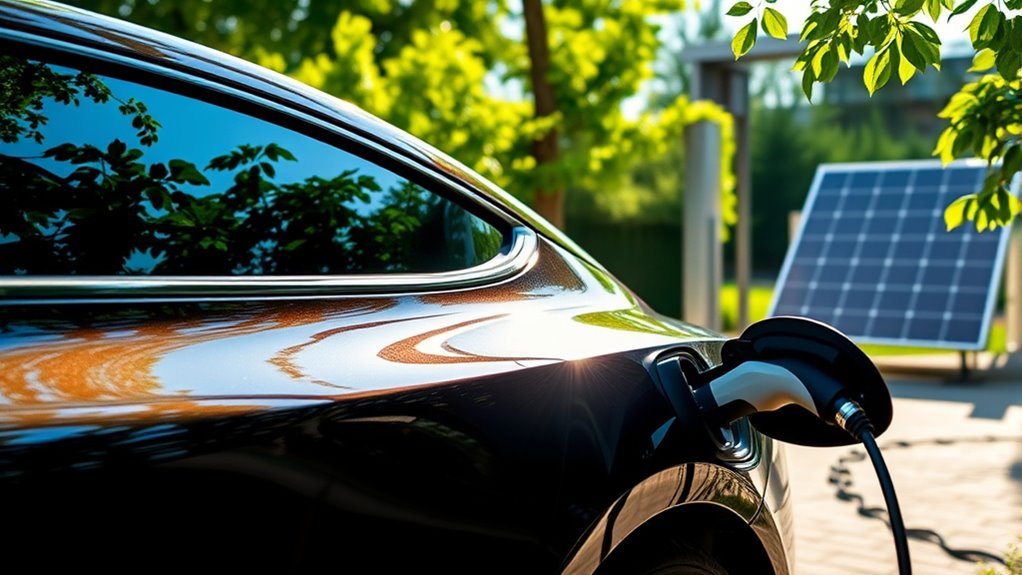
Getting the best performance from your electric vehicle starts with understanding its battery. Electric cars require an outside power source to refill their energy reserves. Most drivers use three common methods to charge their vehicles.
- Level 1: Uses a standard 120-volt household outlet for a slow, steady charge.
- Level 2: Requires a 240-volt outlet to speed up charging times at home or public stations.
- DC Fast Charging: Delivers high-voltage electricity directly to the battery for rapid roadside top-ups.
Your total range depends on the size of your battery. Manufacturers measure this capacity in kilowatt-hours. Weather, tire pressure, and driving style directly affect how quickly you burn through that stored power.
Why Do Electric Cars Need External Charging?
Many drivers ask why an electric car cannot generate its own power on the road. Driving consumes far more energy than any onboard system can possibly recover. Accelerating a heavy object to highway speeds drains the battery rapidly.
The Alternator Myth Explained
People often ask why manufacturers do not install alternators on electric car wheels. In a gas car, the alternator uses engine power to charge a small battery. If you put an alternator on an electric car, the motor would have to work harder to turn it.
This extra resistance would consume more energy than the alternator generates. This limit exists because of the law of conservation of energy. You cannot create energy from nothing.
How Regenerative Braking Recovers Energy
Regenerative braking systems convert some kinetic energy back into electricity when you slow down. This technology improves your overall driving range. However, it serves as an efficiency boost rather than a primary charging method.
When you take your foot off the pedal, the electric motor reverses its operation. It acts as a generator to create resistance and slow the car. This process sends a small electrical charge back into the battery pack.
Efficiency Limits of Energy Recovery
According to the Department of Energy, regenerative braking captures about 10% to 30% of the energy used to accelerate. The exact amount depends on your speed, the vehicle weight, and your braking habits.
Because the system loses energy to heat and friction, it cannot fully recharge an empty battery. You should use this feature to extend your range between charging stops.
Why solar panels Cannot Power Electric Cars
Adding solar panels to the roof of a car seems like a perfect solution for endless range. Unfortunately, engineers face several physical hurdles. The roof of a standard passenger car lacks enough surface area to catch sufficient sunlight.
- Standard panels generate a tiny fraction of the power required for highway driving.
- Solar generation drops significantly when you park in the shade or drive at night.
- Heavy solar equipment adds weight that reduces the overall range of the vehicle.
Automakers currently use small solar roofs to power minor accessories. These panels run cabin fans or interior lights to take a small load off the main battery. They do not generate enough electricity to replace grid-based charging.
Why Charging Stations Remain Essential
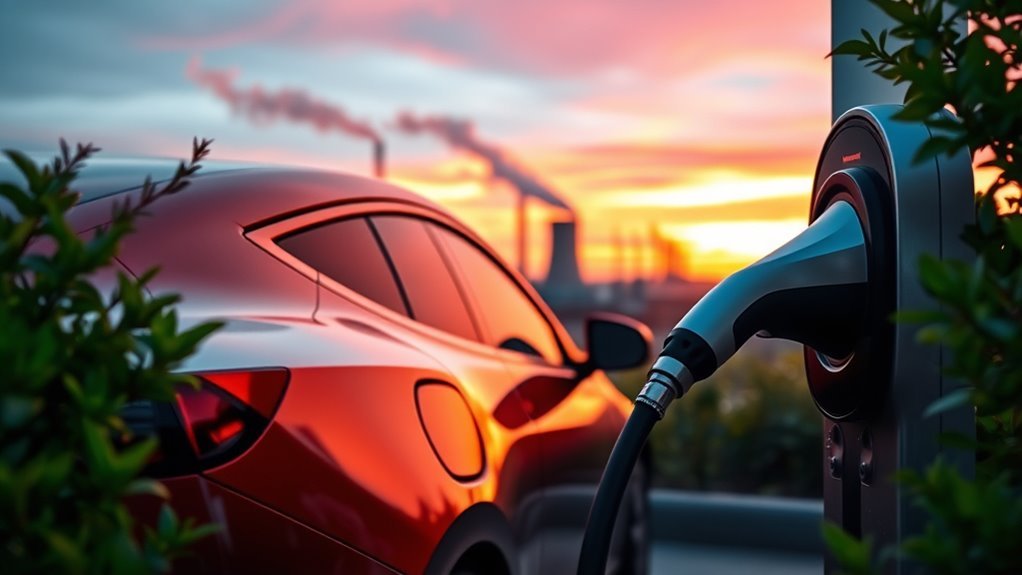
Charging stations offer the safest way to push high-voltage power into your vehicle quickly. Without access to these public and private networks, drivers could only take short local trips.
The Need for Infrastructure Growth
Consumer demand for accessible charging spots grows every single day. Governments and private companies continue to invest heavily in power grid upgrades. Fast-charging stations along major travel routes reduce range anxiety and make long trips possible.
Safety Limits of Wireless Road Charging
Engineers are testing dynamic wireless charging roads that power cars while moving. Pushing high electrical currents into a moving object requires precise alignment and massive energy transfers. This process introduces significant safety and efficiency challenges.
Wireless charging fields also raise concerns about electromagnetic radiation. Researchers must verify that these powerful magnetic fields do not harm humans or interfere with sensitive electronics. For now, in-motion charging remains an experimental concept.
Future Innovations in EV Energy Recovery
Creating a car that charges itself endlessly breaks the basic laws of physics. However, scientists continue to develop technologies that make charging easier and less frequent.
- Dynamic Induction: Future roads might feature embedded coils that send a constant trickle of power to passing cars.
- Automated Robots: Tech companies are testing mobile robots that navigate parking garages to plug into cars automatically.
- Battery Chemistry: Solid-state batteries could store more energy in a smaller space and charge in minutes.
These new ideas will support traditional charging methods rather than replace them entirely. Always rely on certified charging hardware to protect your battery warranty.
Frequently Asked Questions
Why Can Electric Cars Not Charge Themselves?
Building a self-charging car requires perpetual motion, which physics proves impossible. Vehicles must pull energy from an outside source to fight wind resistance and tire friction.
Why Can’t a Battery Charge Itself?
Batteries only store energy through chemical reactions. They cannot generate new power on their own. You must apply an external current to reverse the discharge cycle and refill the battery.
Why Can’t Electric Cars Use Solar Panels?
Current solar panels capture far too little energy to run a heavy electric motor. A car roof provides too small of a surface area to gather the sunlight required for sustained driving.
Why Won’t an Electric Car Charge?
A charging failure usually stems from a loose cable connection, a broken public station, or a software glitch. Check your dashboard for error codes and try a different charger. Always consult a qualified professional before making decisions about battery repairs.
Final Thoughts on EV Charging Limits
Electric vehicles offer incredible efficiency, but they cannot escape the laws of physics that require external energy sources. Features like regenerative braking help stretch your battery life, but plugging into a dedicated charger remains the only way to fill up. Map out your local charging networks today so you always know where to find power. Reliable infrastructure keeps you moving forward on every journey.






Leave a Reply