
For 2026, the top lead-acid car batteries that power every drive include the 10-Amp Smart Car Battery Charger for both 12V and 24V needs, the robust Maypole 12A Car Battery Charger, and the AA AA4956 Car Battery Maintainer. These options provide excellent performance and safety features. They guarantee your vehicle starts reliably every time. If you explore further, you’ll uncover more about essential factors to contemplate when choosing the right battery for your needs.
| 10-Amp Smart Car Battery Charger (12V/24V) | 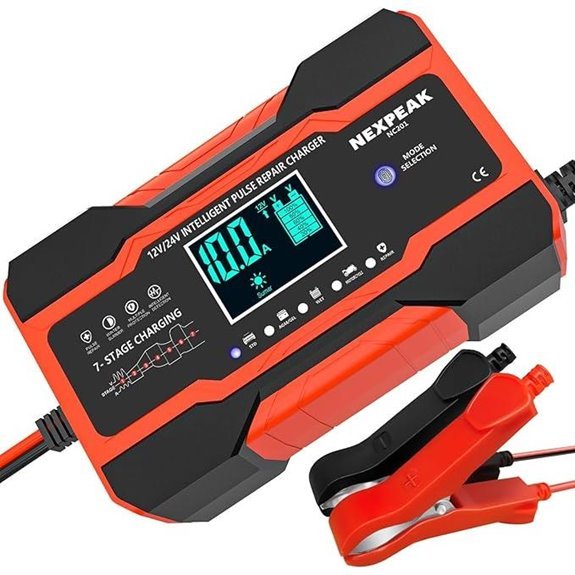 | Fastest Charging | Voltage Compatibility: 12V/24V | Amperage Output: 10 Amps | Safety Features: 8 charging protection features | VIEW LATEST PRICE | Read Our Analysis |
| Maypole 12A Car Battery Charger (12/24V) | 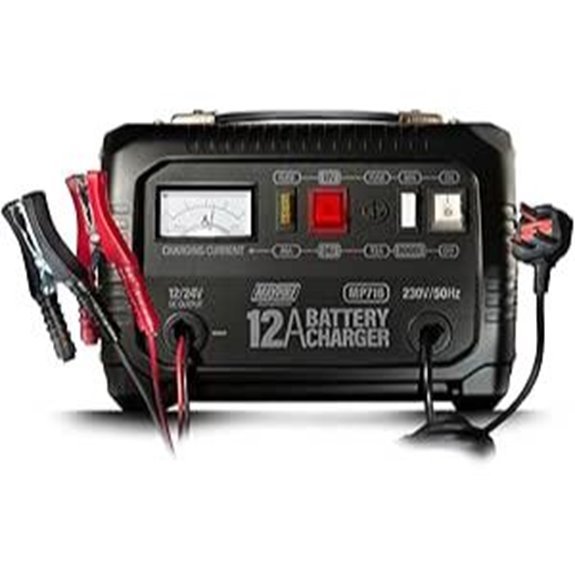 | Heavy-Duty Performance | Voltage Compatibility: 12/24V | Amperage Output: 12 Amps | Safety Features: Safety features included | VIEW LATEST PRICE | Read Our Analysis |
| AA AA4956 Car Battery Charger Maintainer (1.5 Amp) | 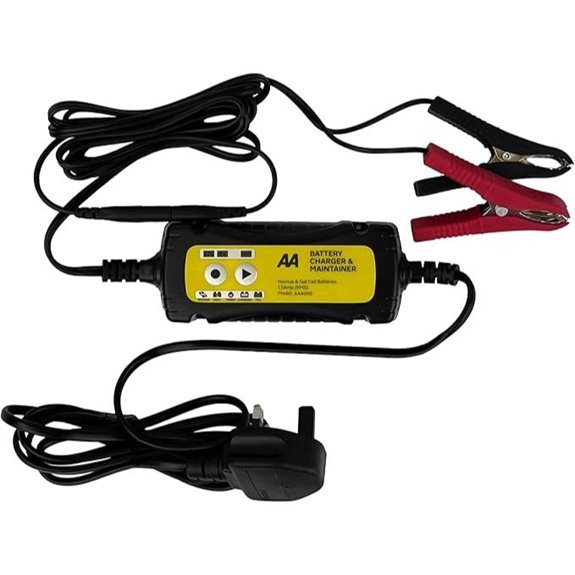 | Budget-Friendly Option | Voltage Compatibility: 6V/12V | Amperage Output: 1.5 Amps | Safety Features: Reverse polarity and short circuit protection | VIEW LATEST PRICE | Read Our Analysis |
More Details on Our Top Picks
10-Amp Smart Car Battery Charger (12V/24V)
If you’re looking for a reliable charger that works seamlessly with both 12V and 24V lead-acid batteries, the Amp Smart Car Battery Charger is your best bet. This 10-amp charger is perfect for automotive, marine, and deep-cycle batteries, including AGM and GEL types. With its 7-stage quick charging process, it efficiently charges and repairs batteries while detecting sulfation and acid stratification. Plus, the large LCD display keeps you informed about the charging status. Safety is a priority, featuring eight protection mechanisms. Its plug-and-play design makes it easy to use, ensuring your batteries stay in peak condition.
- Voltage Compatibility:12V/24V
- Amperage Output:10 Amps
- Safety Features:8 charging protection features
- Automatic Functionality:Fully automatic charging and repair
- User Interface:Large LCD display
- Warranty:2-year warranty
- Additional Feature:7-stage quick charging
- Additional Feature:High-efficiency pulse repair
- Additional Feature:Large LCD display
Maypole 12A Car Battery Charger (12/24V)
The Maypole 12A Car Battery Charger is an excellent choice for anyone with lead acid batteries in cars, caravans, or motorhomes, thanks to its robust metal casing and efficient 12-amp output. Weighing just 6.15 kg, it’s easy to handle, and its compact dimensions (30.51 x 21.3 x 17.8 cm) make storage a breeze. The analog ammeter and built-in safety features guarantee you charge with confidence. With an impressive average rating of 4.6 out of 5 stars from over 1,100 reviews, you can trust its performance. Plus, the 30-day return policy gives you peace of mind with your purchase.
- Voltage Compatibility:12/24V
- Amperage Output:12 Amps
- Safety Features:Safety features included
- Automatic Functionality:Analog ammeter for monitoring
- User Interface:Analog ammeter
- Warranty:30-day return policy
- Additional Feature:Analog ammeter included
- Additional Feature:Machined metal case
- Additional Feature:12A charging capability
AA AA4956 Car Battery Charger Maintainer (1.5 Amp)
Looking for a reliable solution to maintain your lead-acid car batteries? The AA AA4956 Car Battery Charger Maintainer is a fully automatic device that works with both 6V and 12V batteries. Its intelligent microprocessor assesses battery health, ensuring the correct current and voltage are delivered. With safety features like reverse polarity and short circuit protection, you can charge with peace of mind. The easy-to-read LED display keeps you informed of the charge status, while its IP65 rating makes it water and dust resistant. Plus, a 30-day return policy on Amazon guarantees your satisfaction.
- Voltage Compatibility:6V/12V
- Amperage Output:1.5 Amps
- Safety Features:Reverse polarity and short circuit protection
- Automatic Functionality:Intelligent microprocessor automatically assesses battery health
- User Interface:Easy-to-read LED display
- Warranty:30-day return policy
- Additional Feature:Intelligent microprocessor control
- Additional Feature:IP65 water/dust resistant
- Additional Feature:Multiple connector options
Factors to Consider When Choosing a Lead Acid Car Battery
When choosing a lead acid car battery, you need to take into account several key factors. Battery type compatibility, charging speed, and safety features play essential roles in your decision. Additionally, don’t overlook the importance of maintenance and the size and weight of the battery for your vehicle.
Battery Type Compatibility
Choosing the right lead-acid car battery involves understanding compatibility with various battery types, as each type demands specific chargers for peak performance. You’ll encounter AGM, GEL, SLA, and Flooded batteries, all requiring appropriate chargers to guarantee efficiency. Make sure your charger can handle both 12V and 24V systems, since some vehicles operate on different voltage configurations. It’s also crucial to select a charger that features automatic detection of battery sulfation and acid stratification, which helps maintain the battery’s health. Look for chargers with a multi-stage charging process to restore performance and prevent overcharging. Remember, compatibility with your specific battery type directly affects charging efficiency, so choose wisely for ideal results.
Charging Speed Considerations
Understanding charging speed is essential for getting the most out of your lead-acid car battery. The amperage of your charger plays a significant role; higher amperage chargers, like 10-Amp or 12-Amp models, charge your battery much faster than lower options, such as 5-Amp or 1.5-Amp. Advanced chargers with multi-stage processes, like a 7-stage system, further enhance efficiency by adapting to different battery conditions. Additionally, a charger featuring a high-efficiency pulse repair function can speed up charging while restoring battery performance. Keep in mind that a battery’s state of health affects charging time; a well-maintained battery charges quicker than a deteriorated one. Choosing the right charger can make all the difference in your charging experience.
Safety Features Importance
Charging a lead-acid battery efficiently is just one part of the equation; safety features in your charger play an important role in protecting both you and your vehicle. Look for chargers designed to prevent hazards like reverse polarity, overcurrent, and short circuits. These features guarantee safe operation during charging. Many advanced models include temperature compensation, which adjusts the charging process based on ambient conditions, preventing overheating and extending battery life. Automatic shut-off is another vital feature that helps prevent overcharging, reducing the risk of battery damage and safety hazards. A charger with extensive safety mechanisms, including fireproof materials and cooling systems, can greatly lower the chances of accidents, creating a safer environment for you and your vehicle.
Maintenance and Care
When it comes to maintaining and caring for your lead-acid car battery, regular attention to key factors can greatly extend its lifespan and performance. First, check the water levels often, filling with distilled water as needed to prevent damage. Use a suitable battery charger that detects sulfation and acid stratification for efficient charging and repair. Keep the terminals clean and free from corrosion to guarantee peak conductivity, which prevents unnecessary battery drain. Store your battery in a cool, dry place to minimize self-discharge rates, especially during inactivity. Finally, periodically test the battery’s voltage with a multimeter or battery tester to catch any issues early and take corrective action. This proactive approach will keep your battery running strong.
Size and Weight Factors
Proper maintenance can maximize your lead-acid car battery’s performance, but choosing the right size and weight is equally important. The battery’s group number indicates its dimensions and terminal configuration, so make certain it fits securely in your vehicle’s battery tray. Weighing between 30 to 50 pounds, lead-acid batteries can impact handling and installation, with heavier batteries often providing higher capacity and longer life. However, this added weight can affect your vehicle’s weight distribution, which influences handling and performance. Always check the physical dimensions of the battery terminals to ascertain compatibility with your vehicle’s wiring system. Selecting a battery that’s too large or heavy can lead to installation challenges and safety hazards, so assess size and weight carefully before making a purchase.
Price and Warranty Options
Price and warranty options play a crucial role in selecting the right lead-acid car battery for your needs. The price can vary considerably based on brand, specifications, and features, so it’s essential to find one that offers good value for your budget. Don’t overlook the warranty, which typically ranges from 30 days to several years; a longer warranty often reflects the manufacturer’s confidence in their product’s durability. Pay attention to customer feedback regarding warranty satisfaction, as this can guide your decision. Some batteries might also include a return policy, giving you a risk-free option if it doesn’t meet your expectations. Finally, compare warranty terms, as different protections like full replacement or pro-rata coverage can affect your long-term costs.
Brand Reputation Analysis
Choosing a lead-acid car battery isn’t just about specifications; brand reputation plays a significant role in ensuring you get a reliable product. A strong brand often indicates reliability and longevity, backed by a history of performance. Check customer ratings and reviews, as higher averages suggest trust among consumers. It’s wise to reflect on brands that offer extensive warranties and favorable return policies; they show confidence in their products and commitment to customer service. Recognition in the market, such as best seller rankings, can also guide your decision by reflecting popularity and consumer trust. Finally, brands with a long-standing presence usually bring greater expertise and innovation to the table, making them a safer choice for your battery needs.
User Interface Usability
When selecting a lead-acid car battery, usability of the user interface can make a significant difference in your experience. A large, clear LCD display showing charging status, voltage, current, temperature, and charge percentage enhances your monitoring capabilities. Look for an intuitive plug-and-play design that simplifies operation, catering to all skill levels. Visual indicators like LED displays or analog ammeters quickly inform you about battery health. Features such as automatic detection for conditions like sulfation and acid stratification streamline the charging process, guiding you on necessary actions. Finally, detailed instruction manuals and accessible customer support will boost your confidence and satisfaction, ensuring you can operate your lead-acid battery charger effectively.
Frequently Asked Questions
How Long Do Lead Acid Car Batteries Typically Last?
Lead acid car batteries typically last three to five years, depending on usage, maintenance, and climate. You should regularly check and maintain your battery to maximize its lifespan and performance for your vehicle.
Can I Use a Lead Acid Battery in Electric Vehicles?
Lead acid batteries aren’t typically suited for electric vehicles. They’re heavy, less efficient, and don’t deliver the performance needed. Instead, consider lithium-ion options for better energy efficiency and lighter weight, enhancing your EV experience.
What Are the Signs of a Failing Lead Acid Battery?
You’ll notice signs like dim headlights, slow cranking, or a swollen battery case. If your vehicle struggles to start or you see corrosion around terminals, it’s likely time to replace that failing lead acid battery.
Are Lead Acid Batteries Recyclable?
Think of lead acid batteries as a phoenix; they can be recycled. You can return them to retailers or recycling centers, ensuring their materials get a second chance, reducing waste and protecting the environment.
How Do Temperature Fluctuations Affect Lead Acid Battery Performance?
Temperature fluctuations can considerably impact lead acid battery performance. In cold weather, batteries may struggle to deliver power; in heat, they can overcharge. Keeping your battery within a stable temperature range helps maintain its efficiency and lifespan.
Conclusion
When it comes to powering your drive, choosing the right lead acid car battery can make all the difference. You want reliability on the road, but also the peace of mind that comes with a smart charger. Balancing performance and maintenance might seem tricky, yet finding the perfect battery and charger combo guarantees you’re never left stranded. So, embrace the journey ahead with confidence, knowing that the right choice fuels your adventures every time you hit the road.







Leave a Reply