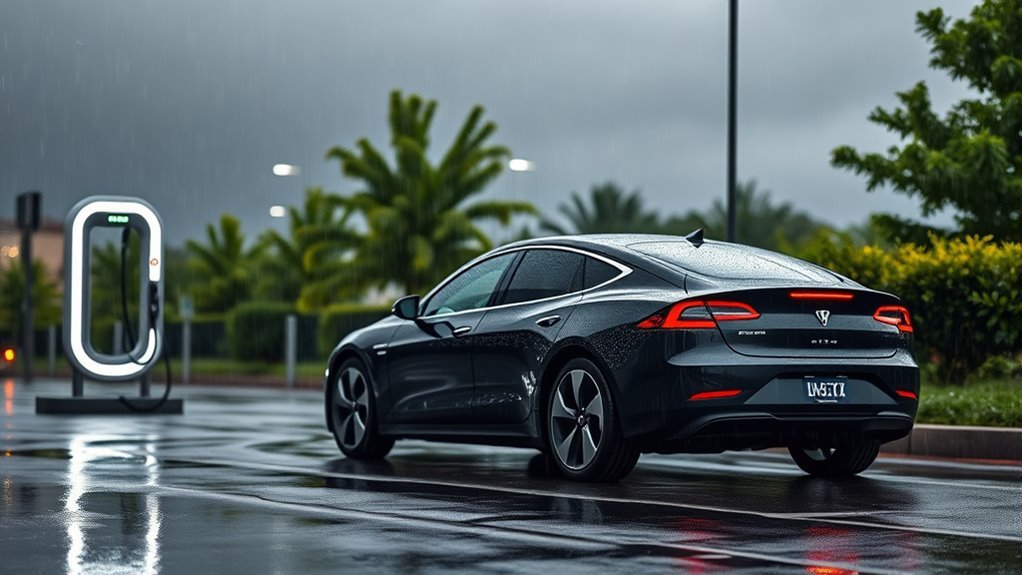
Yes, you can safely charge your electric car in the rain. Modern charging equipment is designed with weatherproof technology and automatically halts charging if there’s a risk of water damage. Verify your charging cables are undamaged and your connection points are dry before use. While light rain poses minimal risk, avoid charging during severe storms, as high winds and flooding can create hazards. Continue on to learn more about best practices and safety measures for charging in wet conditions.
Is It Safe to Charge Your Electric Car in the Rain?
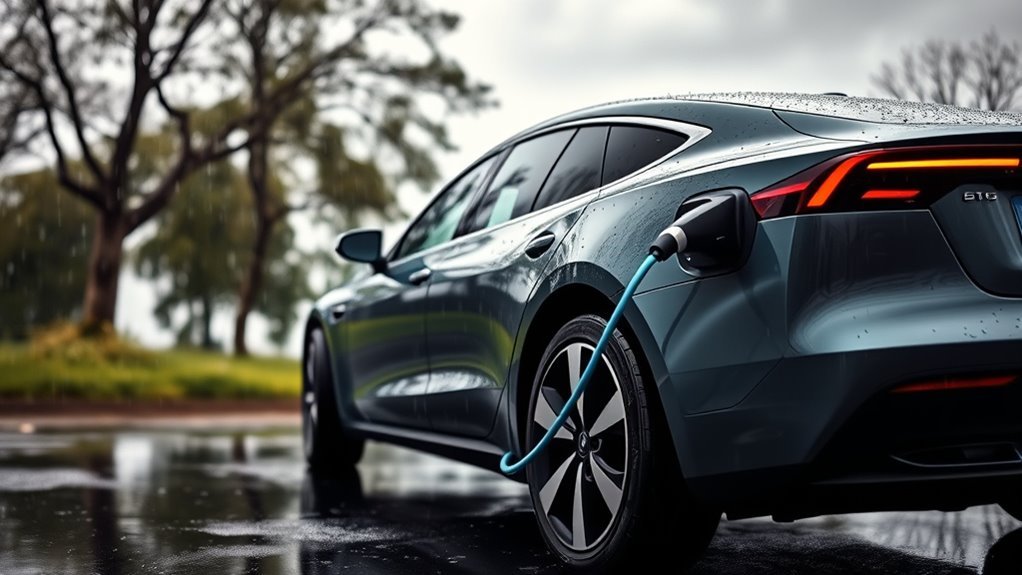
When considering whether it’s safe to charge your electric car in the rain, you’ll find that modern charging equipment is designed specifically for such conditions. These devices meet stringent safety standards, ensuring they can withstand normal rain without risk.
Charging stations are rigorously tested for weather resistance, so you can confidently plug in your EV. In the rare case that water breaches the waterproofing, the system automatically halts charging, preventing any electrical current from flowing.
Charging stations are designed to withstand rain, automatically stopping power if waterproofing is compromised for your safety.
Furthermore, charging cords are engineered to deliver electricity only when securely connected to the vehicle, maintaining safety even if they contact water. While it’s generally safe to charge during light rain, you should observe safety precautions during severe weather events, such as heavy storms or flooding.
To maximize safety, always follow recommended charging tips and stay informed about your specific charging equipment’s capabilities.
How to Prepare for Charging Your EV When It’s Raining
Before charging your EV in the rain, inspect the condition of your charging equipment to guarantee it’s free from damage.
Choose a charging location that’s safe and away from flood-prone areas, and closely monitor local weather conditions to avoid hazards.
These steps are essential for a safe and effective charging experience.
Inspect Charging Equipment Condition
Inspecting the condition of your charging equipment is essential to assure safe and effective charging of your electric vehicle (EV) in rainy conditions.
Begin with thorough charging cable inspections; look for any signs of damage, fraying, or wear. Confirm that both your EV’s charging port and the outlet are dry and free from water to mitigate electrical hazards.
Utilize only manufacturer-approved charging cables designed as weather-resistant equipment, as they enhance safety during wet charging. Verify that the charging station or outlet is correctly installed, grounded, and features weatherproof enclosures.
Finally, avoid multi-plug extension cords unless they’re specifically rated for outdoor EV charging, as they pose additional risks in adverse weather.
Safety is paramount—take these precautions seriously.
Choose Appropriate Charging Location
Choosing the right charging location during rainy weather is essential for guaranteeing safety and efficiency.
Opt for dedicated charging station locations that feature professionally installed, weather-resistant equipment. Before connecting, inspect your charging cables and connectors for any signs of damage, as wet conditions can exacerbate risks.
Avoid multi-plug extension cords to prevent potential hazards; instead, use manufacturer-approved cables designed for your EV. When using a 3-pin charger outdoors, confirm both the plug and socket are dry to avoid electrical issues.
Stay clear of flood-prone areas, as extreme weather can compromise outdoor charging safety, even with weatherproof equipment.
Prioritize these precautions to facilitate a secure and effective charging experience during inclement weather.
Monitor Weather Conditions Closely
How can you guarantee your electric vehicle (EV) charging remains safe during rainy weather? First, monitor weather alerts closely to anticipate any extreme conditions, like heavy storms or flooding. Before charging, inspect your charging equipment and cables for visible damage. Opt for charging locations that are less prone to flooding during rainfall. Additionally, confirm that outdoor charging points comply with safety regulations and include weatherproof features. If severe weather is forecasted, consider postponing your charging to avoid hazards.
| Action | Importance | Outcome |
|---|---|---|
| Monitor weather alerts | Guarantees awareness of extreme conditions | Informed decision-making |
| Inspect equipment | Prevents accidents and equipment damage | Safe charging experience |
| Choose safe locations | Reduces risk of flooding during charging | Enhanced safety |
| Postpone if necessary | Avoids potential hazards during severe weather | Peace of mind |
What Should You Check Before Charging Your EV in Wet Conditions?
Before charging your EV in wet conditions, you need to inspect the charging equipment for any signs of damage, such as fraying or cracks.
Make certain that both the charging socket and plug are completely dry, as moisture can disrupt electrical connections.
Taking these precautions will help mitigate safety risks associated with charging in rain.
Inspect Charging Equipment Condition
Inspecting your charging equipment before powering up your EV in wet conditions is essential for safety and efficiency. Start with the charging cable; look for fraying or cracks that could jeopardize electrical safety. Clean and dry the connectors on both the EV and charging point to guarantee a reliable connection. Additionally, verify that the charging port on your vehicle is free from moisture and debris. Confirm that your charging station is professionally installed, meeting safety standards with appropriate ingress protection ratings.
| Component | Inspection Checklist |
|---|---|
| Charging Cable | Check for frays or cracks |
| Connectors | Guarantee they are clean and dry |
| Charging Port | Verify it’s free of moisture |
| Charging Station | Check for waterproof enclosures |
| Manufacturer Guidelines | Review for wet condition advice |
Ensure Dry Connections
Confirming that connections are dry is essential when charging your EV in wet conditions. Follow these steps to minimize electrical hazards:
- Inspect the charging plug and socket: Make sure both are completely dry before connecting. Moisture can create dangerous conditions.
- Examine the charging cable: Look for any visible damage or fraying. Compromised cables increase the risk of electrical issues during charging.
- Avoid puddles and snow-packed ports: Keep the charging plug elevated to prevent it from sitting in water, which can lead to unsafe connections.
Always adhere to manufacturer guidelines for charging procedures to confirm safety while charging in rain.
Is Charging EVS in Rain Safe With Public Chargers?
When considering whether it’s safe to charge your electric vehicle (EV) in the rain at public chargers, you’ll find that safety measures are in place to protect both the vehicle and the user.
Public EV chargers employ advanced weatherproof technology, rigorously tested to guarantee reliable operation in various conditions. These charging stations incorporate protective components that prevent water from contacting electrical parts, adhering to strict safety regulations.
Charging during light rain is typically safe, as most public chargers feature waterproof connectors and weatherproof enclosures.
However, during extreme weather—like heavy storms or high winds—it’s advisable to wait before charging. Ground fault circuit interrupters (GFCIs) enhance electrical safety by cutting off power if water is detected, mitigating any potential hazards.
Home Charging: Best Practices for Rainy Days
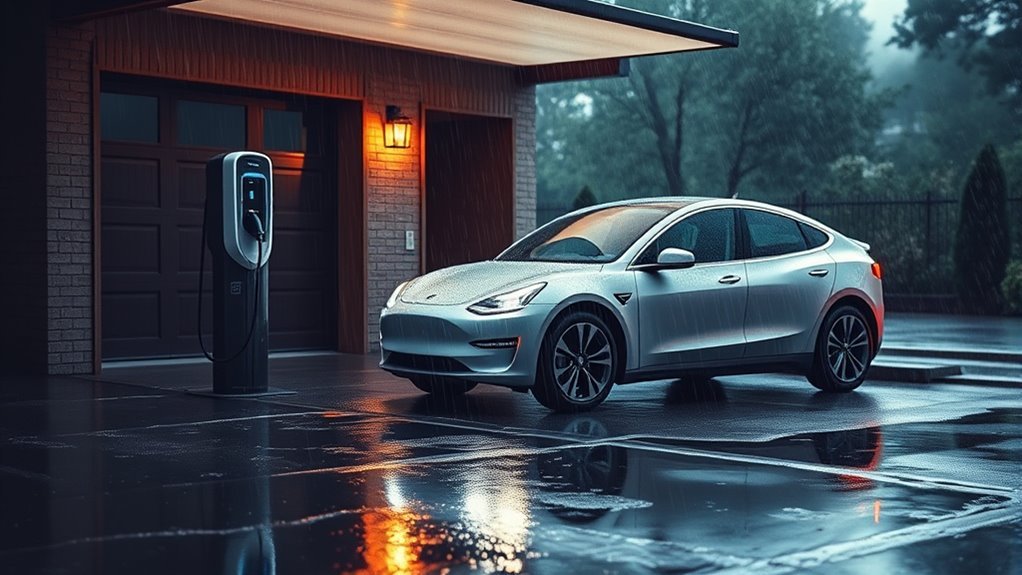
Though charging your electric vehicle (EV) at home during rainy days is generally safe, it’s crucial to follow best practices to minimize any risks.
Here are three key rainy day precautions to guarantee effective home charger maintenance:
- Inspect Your Equipment: Before charging, check your cables and connectors for any visible damage. Damaged equipment can pose significant risks in wet conditions.
- Avoid Extension Cords: When charging outdoors, skip multi-plug extension cords. Use only manufacturer-approved cables to adhere to safety standards.
- Clear the Area: Confirm your charging location is free from standing water. This prevents potential hazards when connecting your EV.
Charging Options for EVs in Rainy Conditions
Charging your electric vehicle (EV) in rainy conditions isn’t only feasible but also safe, thanks to the robust design of charging equipment.
Most charging infrastructure, including public stations and home charging points, complies with rigorous safety standards, ensuring they can handle wet weather. This weatherproof technology is critical; charging cords are engineered to halt electrical flow upon contact with water, preventing any risk of shock.
When you opt for dedicated, professionally installed charging points, you enhance safety further. These units come equipped with waterproof enclosures and connectors, designed specifically for use in various weather conditions.
Charging during light rain is perfectly safe, allowing you to maintain your vehicle’s charge without concern. However, remain cautious during extreme weather events like heavy storms or flooding, as these conditions can compromise not just your safety, but also the integrity of your EV’s electrical system.
When Is It Unsafe to Charge Your EV in Extreme Weather?
While it may seem safe to charge your electric vehicle (EV) during heavy rain, doing so in extreme weather conditions can pose significant risks.
To guarantee your safety and maintain charging integrity, consider these factors:
- Flood-Prone Areas: Avoid charging in locations where flooding is a concern. Submerging charging equipment can lead to hazardous electrical failures.
- Severe Storms: High winds and flying debris during storms can damage your vehicle and charging equipment. It’s best to postpone charging until conditions improve.
- Severe Weather Events: Stay updated with weather forecasts. Charging during hurricanes or severe thunderstorms is ill-advised due to unpredictable conditions that can jeopardize charging safety.
Always prioritize your safety by monitoring weather alerts and seeking sheltered charging options when extreme weather is imminent.
Being proactive can save you from potential hazards.
What Common Charging Issues Arise in Rainy Weather?
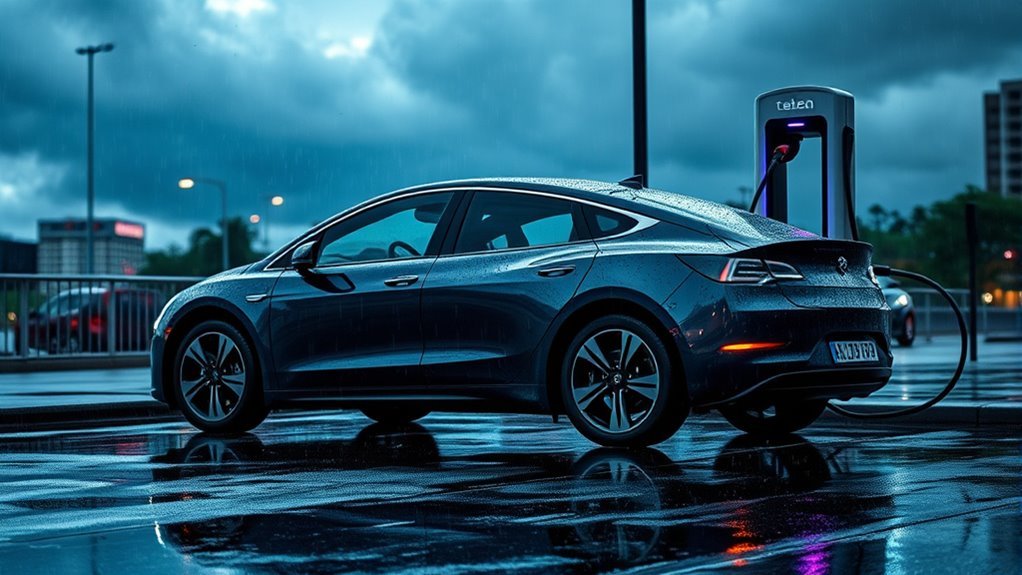
Rainy weather can present unique challenges when charging your electric vehicle (EV). Though charging equipment is designed with waterproofing technology to guarantee safety, common issues can still arise.
One significant concern is verifying that your charging cables are dry and free from damage. Wet cables may lead to performance issues, even if they’re inherently safe.
It’s vital to avoid plugging charging cords into puddles or wet surfaces, as water contact with electrical components can create risks if safety measures fail. While light rain typically doesn’t pose a threat, extreme conditions like heavy storms or flash floods should be avoided for charging.
Regular charging cable maintenance is essential to prevent potential hazards and promote peak performance. By taking these precautions, you can safely navigate the challenges of charging your EV in rainy weather.
Frequently Asked Questions
How Do You Charge an EV in the Rain?
To charge your EV in the rain, guarantee the charging cable’s intact, connect it securely, and use weatherproof equipment. Always prioritize charging safety, considering wet conditions, to prevent hazards and guarantee efficient operation.
Are All EV Chargers Waterproof?
Not all EV chargers are waterproof, but many meet waterproof standards with robust charger design. For instance, public charging stations often feature IP65-rated enclosures, ensuring reliable performance even in wet conditions while prioritizing user safety.
Is It Okay to Charge a Tesla When It’s Raining?
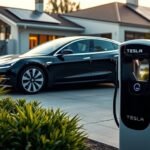
Yes, you can charge your Tesla in the rain. Tesla’s safety features prevent electric current flow if water breaches the connector, addressing rain concerns effectively. Just avoid charging during severe weather to guarantee maximum safety.
Is It Safe to Charge a Car Battery in the Rain?
Yes, it’s safe to charge a car battery in the rain, as long as you follow charging safety guidelines. Just make certain you take rain precautions, avoiding extreme weather that could interfere with the charging process.
Conclusion
To summarize, charging your electric vehicle in the rain is generally safe, thanks to robust safety standards in EV design and charging equipment. In fact, studies show that over 90% of EV owners charge their vehicles without incident, even in wet conditions. Just make sure you follow best practices and check your equipment beforehand. Being proactive can help you avoid any common issues that arise during rainy weather, guaranteeing a smooth charging experience for your electric car.






Leave a Reply