When you encounter EV charger error codes, it’s essential to understand their meanings and how to address them. For instance, “Charge Timeout” often results from poor connections or low voltage, while “Battery Defective” suggests potential cell issues. High ground resistance errors require immediate attention. Resolving these can involve simple troubleshooting or more complex fixes needing an expert. To navigate these issues effectively, further insights on prevention and maintenance techniques await you.
Common EV Charger Error Codes Explained
When it comes to electric vehicle (EV) chargers, understanding error codes is essential for efficient troubleshooting. Common error codes can indicate various issues that require specific troubleshooting steps.
Understanding EV charger error codes is crucial for effective troubleshooting and resolving charging issues efficiently.
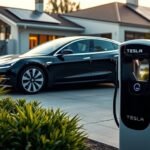
For instance, a “Charge Timeout” error means the battery didn’t reach the necessary voltage, while “Battery Defective” signals potential problems with battery cells. If you’re using a Tesla, a “Solid Red” code points to an internal fault, necessitating a circuit breaker reset, whereas “Two Red Blinks” indicates high ground resistance.
Wallbox chargers might display “Error Code 101,” which often results from a connection issue; resolving this usually involves restarting both the charger and the vehicle.
Familiarizing yourself with these error code meanings allows you to diagnose problems efficiently, empowering you to take simple actions like reconnecting cables or checking power supply connections for a smoother charging experience.
Understanding Each EV Charger Error Code
A variety of EV charger error codes can emerge during the charging process, each signaling specific issues that need attention. Understanding error code definitions is essential for efficient troubleshooting.
For instance, a “Charge Timeout” error indicates that your battery hasn’t reached the necessary voltage, potentially due to poor connections or low AC voltage. The “Battery Defective” code might point to cell shorting or compatibility problems.
Safety-related codes, such as “High Ground Resistance” and “Ground Fault Circuit Interruption,” require immediate checks of your grounding and cable integrity.
Keep in mind that different manufacturers use unique codes; for example, Tesla’s “Solid Red” indicates internal faults, while “One Red Blink” signals ground faults.
Troubleshooting EV Charger Issues
Although troubleshooting EV charger issues may seem intimidating, a systematic approach can help you quickly identify and resolve the problem. Start by checking the error codes displayed on your charger, as these provide insights into specific issues affecting charging efficiency.
For instance, a “Charge Timeout” might indicate the need for improved cooling airflow, while “Battery Defective” suggests you inspect for shorted cells or voltage compatibility.
Utilizing error detection features, like those found in Wallbox chargers, can guide your troubleshooting. For instance, Error Code 101 signals charger malfunctions, and Error Code 104 points to control pilot circuit issues.
If problems persist, it’s essential to regularly update your charger’s software to avoid recurring errors. However, for complex issues that resist resolution, consider consulting a certified electrician to guarantee safety and effective troubleshooting.
This approach empowers you to maintain your EV charging system effectively.
How to Prevent EV Charger Errors
To effectively prevent EV charger errors, regularly inspecting and maintaining your battery health and connections is essential. By prioritizing these practices, you can enhance your charging experience and guarantee electrical safety.
Regular inspection and maintenance of battery health and connections are vital for preventing EV charger errors and ensuring electrical safety.
Here are four key steps to contemplate:
- Monitor Battery Health: Regularly check for high or low voltage issues that could disrupt charging.
- Guarantee Proper Installation: Have qualified electricians install your EV charging equipment to avoid faulty electrical connections.
- Control Temperature: Keep an eye on environmental conditions; extreme temperatures can cause battery temperature errors.
- Update Software: Verify your EV charger’s software and firmware are current to minimize error occurrences.
Signs You Need a Professional for EV Charger Repairs
When persistent error codes appear on your EV charger despite your troubleshooting efforts, it’s a clear signal that you may need professional assistance. Ignoring these signs can lead to further complications and safety hazards. Here are some common symptoms that indicate you should call a technician:
| Common Symptoms | Action Required |
|---|---|
| Persistent error codes | Technician evaluation needed |
| Physical damage to cable/connectors | Immediate inspection required |
| “No Lights” or solid red indicators | Check for internal faults |
| Overheating warnings | Seek professional help urgently |
If you notice any of these issues, it’s essential to have a qualified technician evaluate your charger. They can identify underlying problems, ensuring safety and ideal functionality. Regular maintenance checks can also prevent significant issues down the line, empowering you to keep your EV charging station running smoothly.
Best Practices for Maintaining Your EV Charging Station
Maintaining your EV charging station is essential for guaranteeing ideal performance and longevity. To keep your charging station in top condition, follow these best practices:
- Inspect and Clean: Regularly check the charging cables and connectors for signs of corrosion and clean them to guarantee reliable connections.
- Temperature Regulation: Maintain proper temperature conditions around the station; extreme heat or cold can affect performance and trigger error codes.
- Routine Maintenance: Schedule routine checks and maintenance, including software updates, to enhance performance and minimize error occurrences.
- Proper Installation: Guarantee the charging station is installed by a qualified electrician to avoid ongoing issues related to power supply and grounding.
The Importance of Keeping Charger Firmware Updated
Keeping your charger’s firmware updated is crucial for guaranteeing its best performance and reliability. Outdated software can cause frequent error codes and malfunctions, disrupting your charging sessions. By regularly updating, you access firmware benefits such as improved compatibility with various electric vehicle models, facilitating a seamless charging experience.
Manufacturers often release updates to address known bugs, enhance security features, and introduce new functionalities that elevate user experience. This update process is essential for resolving issues related to battery voltage errors, assuring safety and reliability during charging.
To stay current, make certain your charging station is connected to Wi-Fi, as many updates require internet access. By prioritizing firmware updates, you not only enhance your charger’s efficiency but also guarantee its longevity, empowering your EV experience to be as smooth and liberating as possible.
Frequently Asked Questions
What Are Common Charger Error Codes?
Common charger error codes include malfunctions like Code 101 for connection issues, Code 102 for stuck relays, and Code 103 for DC leaks. Understanding these error code meanings helps you troubleshoot effectively and guarantee safe operation.
How to Reset EV Charger?
To reset your EV charger, power cycle it by turning off the circuit breaker, waiting, and turning it back on. Follow the charger’s troubleshooting steps for a successful charger reset and restore functionality.
How to Troubleshoot an EV Charger?
To troubleshoot your EV charger, check the charging cable and connections for damage. Measure the voltage to identify any voltage issues, then reset the charger if necessary. For persistent problems, consult a professional for help.
What Is the Most Common Charging System Failure Mode?
The most common charging system failure mode is a communication error. For instance, if your EV loses contact with the charger, reviewing maintenance practices in your charging infrastructure can prevent future issues and guarantee reliable functionality.
Conclusion
In summary, understanding EV charger error codes is vital for efficient charging and vehicle performance. Did you know that nearly 30% of EV owners experience charging issues at some point? By familiarizing yourself with these codes and following best practices for maintenance, you can minimize downtime and guarantee a smooth charging experience. Staying proactive not only saves you time but also enhances the longevity of your charging station. Regular updates and awareness are key to a hassle-free EV ownership experience.






Leave a Reply