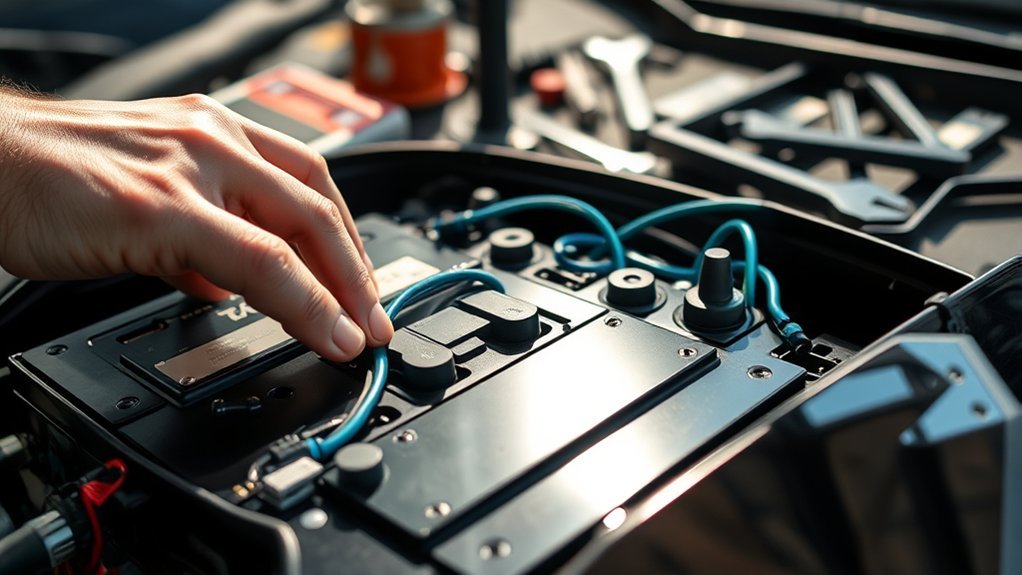
Hybrid car batteries typically last between 100,000 to 150,000 miles, with many exceeding 200,000 miles if properly maintained. Their lifespan can be influenced by factors like driving habits and extreme temperatures. Federal law mandates warranty coverage for at least 8 years or 100,000 miles, with some manufacturers offering up to 10 years or 150,000 miles. Understanding these aspects can help you manage battery health effectively—there’s much more to learn about optimizing performance and addressing potential issues.
Key Takeaways
- Hybrid batteries typically last between 100,000 to 150,000 miles, with some exceeding 200,000 miles with proper maintenance.
- Driving habits and extreme temperatures significantly influence the lifespan of hybrid batteries.
- Federal law mandates an 8-year or 100,000-mile warranty for hybrid batteries, with some manufacturers offering extended coverage.
- Replacement costs for hybrid batteries can range from $1,000 to $8,000, depending on the vehicle model and battery technology.
- Warning signs of battery failure include dashboard lights, decreased fuel economy, and reduced acceleration power.
What Is the Average Lifespan of a Hybrid Battery?
When it comes to hybrid cars, one of the most crucial components is the battery, and understanding its lifespan can help you make informed decisions.
Typically, a hybrid battery lasts between 100,000 to 150,000 miles, with many exceeding 200,000 miles when maintained properly. Most batteries have a lifespan of five to ten years, heavily influenced by your driving habits.
Federal law ensures a minimum warranty of 8 years or 100,000 miles, while some manufacturers extend coverage to 10 years or 150,000 miles.
Regular maintenance and avoiding extreme temperatures can enhance battery longevity, significantly impacting both your wallet and the environment.
Keep an eye out for symptoms like reduced fuel economy, which may indicate battery degradation.
Factors Influencing Hybrid Battery Longevity

Understanding the lifespan of a hybrid battery is just the beginning; several factors can significantly influence how long it lasts.
Battery technology has advanced, allowing many batteries to last over 10 years, but your driving habits play a crucial role. Frequent stop-and-go driving can diminish battery life compared to consistent highway driving.
Additionally, exposure to extreme temperatures can negatively impact battery health, so consider climate when operating your vehicle.
Regular maintenance and mindful driving practices, like avoiding deep discharges and excessive charging, can enhance durability.
The vehicle’s battery management system also optimizes charging cycles, which can help prolong battery life.
What You Need to Know About Hybrid Battery Warranties

As you explore the world of hybrid vehicles, knowing the ins and outs of hybrid battery warranties can save you from unexpected costs down the road.
Here are key points to consider:
- Federal law mandates at least 8 years or 100,000 miles of coverage, with California requiring even more.
- Many manufacturers, like Toyota, offer warranties up to 10 years or 150,000 miles.
- Coverage typically activates when battery capacity drops below 70%, not just upon total failure.
- Warranty transferability allows you to pass coverage to subsequent owners, enhancing resale value.
Understanding these aspects ensures you’re well-informed about your hybrid battery’s warranty, helping you maintain battery capacity and protecting your investment.
Average Costs for Replacing Hybrid Batteries
While the prospect of replacing a hybrid battery may seem daunting, knowing the average costs involved can help you prepare for this essential investment. Replacement costs typically range from $1,000 to $6,000, influenced by your vehicle’s model and battery technology. In some cases, high-end batteries can reach up to $8,000. It’s wise to budget for this expense, as most batteries last between 100,000 to 200,000 miles. Many manufacturers offer warranties covering 8 to 10 years, easing your concerns. Additionally, consider recycling options for your old battery; this practice helps reduce environmental impact while supporting sustainable energy solutions.
| Cost Range | Warranty Coverage | Lifespan |
|---|---|---|
| $1,000 – $6,000 | 8 – 10 years | 100,000 – 200,000 miles |
Warning Signs of Hybrid Battery Failure
If you notice warning lights on your dashboard, it’s time to pay attention, as they often signal potential battery issues.
A sudden drop in your fuel economy can also indicate that your hybrid battery is struggling and may be on the brink of failure.
Recognizing these signs early can save you from costly repairs down the road.
Dashboard Warning Lights
Dashboard warning lights serve as critical indicators of potential hybrid battery issues, alerting you to problems that need immediate attention.
Recognizing these warning indicators is essential for maintaining your vehicle’s health.
- The hybrid system warning icon may illuminate, signaling battery problems.
- A failure of the electric motor to engage during hard acceleration can indicate underlying battery issues.
- If you notice dashboard diagnostics showing abnormal readings, don’t ignore them.
- Promptly requesting a hybrid system check can help detect issues early, preventing further degradation.
Monitoring these dashboard alerts is vital for avoiding costly repairs and ensuring your hybrid vehicle runs smoothly.
Stay proactive by addressing warning lights as soon as they appear!
Reduced Fuel Economy
Ignoring dashboard warning lights can lead to more than just immediate concerns; they often signal deeper issues like reduced fuel economy.
If you notice a decline in fuel efficiency, your hybrid battery might be degrading, suggesting it’s nearing the end of its life. When the hybrid system operates less frequently, it’s a clear indicator that the battery isn’t performing optimally, directly affecting your vehicle’s fuel efficiency.
Additionally, decreased acceleration power during hard acceleration can signal potential battery issues. Regularly monitoring your fuel economy can help you identify these problems early on, enabling timely battery diagnostics and maintenance.
Staying vigilant about these signs ensures your hybrid continues to run efficiently, saving you money at the pump.
Essential Maintenance Tips for Hybrid Batteries
While hybrid vehicles offer impressive fuel efficiency and reduced emissions, maintaining the health of their batteries is crucial for long-term performance.
To ensure optimal battery care, follow these essential maintenance tips:
- Keep the battery’s charge between 20% and 80% to avoid full discharges and frequent 100% charges.
- Regularly monitor your battery’s health with diagnostic checks; warning lights and reduced fuel economy can signal issues.
- Protect your hybrid battery from extreme temperatures by parking in shaded areas or garages.
- Schedule routine maintenance to ensure cooling systems are functional, preventing overheating and degradation.
How Temperature Affects Hybrid Battery Performance
Temperature plays a crucial role in your hybrid battery‘s performance and lifespan.
If you live in a hot climate, extreme heat can accelerate degradation, while cold weather can hinder charging efficiency.
To keep your battery healthy, aim to maintain it within the optimal temperature range of 59 to 95 degrees Fahrenheit.
Extreme Heat Impact
As you navigate the challenges of hybrid vehicle ownership, it’s crucial to understand how extreme heat can impact your battery’s performance and lifespan. High temperatures can lead to faster degradation, affecting your battery’s charging capability and longevity.
To help protect your investment, consider these key points:
- Battery cooling systems are vital for maintaining optimal performance.
- Temperature management is essential; keeping your hybrid in a shaded, cooler area can extend battery life.
- Regularly check for signs of wear or overheating to prevent early failure.
- Follow manufacturer guidelines for maintenance to ensure your battery remains in top condition.
Cold Weather Effects
When winter arrives, you might notice your hybrid vehicle doesn’t perform as efficiently as it does in warmer months. Cold weather can significantly impact battery performance, causing a temporary loss of capacity. This means your gasoline engine may kick in more often to compensate.
Fortunately, many hybrid systems feature preconditioning, warming the battery before you drive, which helps improve performance in chilly conditions. However, keep in mind that regenerative braking is limited in extremely low temperatures to prevent strain on the battery, ultimately extending its lifespan.
To maintain optimal performance, regular maintenance checks are crucial. Ensuring that airflow ducts and sensors are functioning properly aids in effective battery temperature regulation during cold weather, helping your hybrid run smoothly year-round.
Hybrid Battery Lifespan by Model
Understanding hybrid battery lifespans across different models is crucial for prospective buyers and current owners alike. By looking at hybrid battery comparisons, you can make informed decisions about model longevity.
- Toyota: Offers a 10-year/150,000-mile warranty, showcasing their confidence in battery durability.
- Kia: Claims batteries can last up to 150,000 miles or 15 years, indicating impressive longevity.
- Honda: Generally sees battery life around 100,000 miles, but with maintenance, it can exceed expectations.
- Ford: Reports average lifespans near 100,000 miles, with some users experiencing longer lifetimes through care.
What to Expect When Replacing Hybrid Batteries?
When it’s time to replace your hybrid battery, you’ll want to be aware of the costs, which can range from $1,000 to $6,000 based on your vehicle.
Check the warranty details, as many batteries are covered for up to 8 years or 100,000 miles, with some manufacturers offering even longer coverage.
Keep an eye out for signs of battery degradation, so you can proactively manage replacement before you experience any significant performance issues.
Replacement Cost Considerations
As you approach the 100,000-mile mark on your hybrid vehicle, it’s crucial to consider the potential costs associated with battery replacement. Replacement costs can vary significantly, ranging from $1,000 to $6,000, and even up to $8,000 for high-end models.
Here are some key factors to keep in mind:
- Battery longevity: Most batteries last between 100,000 to 200,000 miles.
- Driving conditions: Your driving style and maintenance can impact battery life.
- Warranty coverage: Check if your battery is still under warranty for possible savings.
- Environmental impact: Consider battery recycling options to mitigate your ecological footprint.
Setting aside savings from your vehicle’s fuel efficiency can help ease these future expenses.
Warranty Coverage Details
Replacing a hybrid battery can seem daunting, but knowing what warranty coverage you have can significantly ease the process. Understanding warranty differences among manufacturers ensures you’re informed about your coverage options.
Here’s a quick overview:
| Manufacturer | Warranty Duration | Capacity Requirement | Activation Condition |
|---|---|---|---|
| Federal Law | 8 years / 100,000 miles | Minimum 70% capacity | – |
| California | 10 years / 150,000 miles | Minimum 70% capacity | – |
| Toyota | 10 years / 150,000 miles | Exceeds federal requirements | – |
| Kia | 10 years / 100,000 miles | Below 70% capacity | Activation upon capacity drop |
Signs Of Battery Failure
How can you tell if your hybrid battery is on its last legs? There are several signs to watch for that indicate potential failure, and recognizing them early can aid in battery diagnostics and failure prevention.
- Warning lights or diagnostic codes appear on your dashboard.
- You notice a drop in fuel economy.
- The hybrid system is sluggish or fails to engage during acceleration.
- The battery gauge doesn’t reach full charge or shows inaccurate readings.
If you experience any of these issues, it’s crucial to have your battery evaluated. Ignoring these signs can lead to more significant problems, including your car failing to start.
Staying proactive ensures you maintain your hybrid’s performance and longevity.
Common Hybrid Battery Issues and Solutions
While hybrid cars offer impressive fuel efficiency and lower emissions, they can face common battery issues that may affect performance. You might notice symptoms like reduced fuel economy, warning lights, or an inaccurate battery gauge.
These problems often stem from battery degradation due to extreme temperatures or neglected maintenance. To tackle these issues, regular upkeep is key—avoid exposing your battery to harsh conditions and don’t let it discharge completely.
If replacement becomes necessary, be prepared for costs ranging from $1,000 to $6,000. Also, consider the latest battery technology and recycling options to minimize environmental impact when disposing of your old battery.
Staying proactive can help extend your hybrid battery’s lifespan while keeping your car running smoothly.
Frequently Asked Questions
Can I Extend My Hybrid Battery’s Life With Specific Driving Techniques?
Yes, you can extend your hybrid battery’s life by adopting smart driving habits. Use battery maintenance tips like avoiding rapid acceleration and aggressive braking. These practices help maintain charge cycles and improve overall battery performance.
Are There Eco-Friendly Options for Hybrid Battery Disposal?
You can definitely find eco-friendly options for hybrid battery disposal! Battery recycling programs and sustainable disposal facilities ensure your old battery’s processed responsibly, helping the environment while you drive towards a greener future.
How Do Hybrid Batteries Perform in Cold Climates?
In cold climates, hybrid batteries can struggle with performance. Cold weather effects reduce efficiency, leading to decreased range and slower charging. You’ll notice your vehicle may not perform as well during frigid temperatures.
What Happens if My Hybrid Battery Warranty Expires?
Once your hybrid battery warranty expires, you’re responsible for any repairs or replacements. Have you considered warranty options? Battery costs can be high, so it’s wise to explore extended warranties to protect your investment.
Can I Replace a Hybrid Battery With a Used One?
You can replace a hybrid battery with a used one, but consider the used battery’s reliability and sourcing. Research its history and condition to ensure you’re making a sound investment for your vehicle’s longevity.
Conclusion
In the journey of owning a hybrid car, the battery is your steadfast co-pilot. While its lifespan can stretch over a decade, various factors play a role in determining its endurance. By understanding the signs of wear and keeping an eye on temperature fluctuations, you can ensure a smoother ride. Remember, replacing your battery isn’t just a repair; it’s like giving your vehicle a fresh heartbeat, ready to tackle the road ahead with renewed vigor.







Leave a Reply