
Quick Answer
Tesla batteries typically last between 300,000 and 500,000 miles, which covers about 15 to 20 years of typical driving. While some capacity loss occurs over time, most owners retain 88% to 90% of their original range after a decade. You can maximize this lifespan by avoiding extreme temperatures and limiting daily charging to 80% for non-LFP batteries.
Electric vehicle ownership often centers on one major concern: how long will the battery last before it needs an expensive replacement? Most Tesla owners discover that their battery packs outlast the vehicle’s primary utility. This guide explains what you can realistically expect from your Tesla battery and how to protect its health over the long term.
How Long Do Tesla Batteries Last?
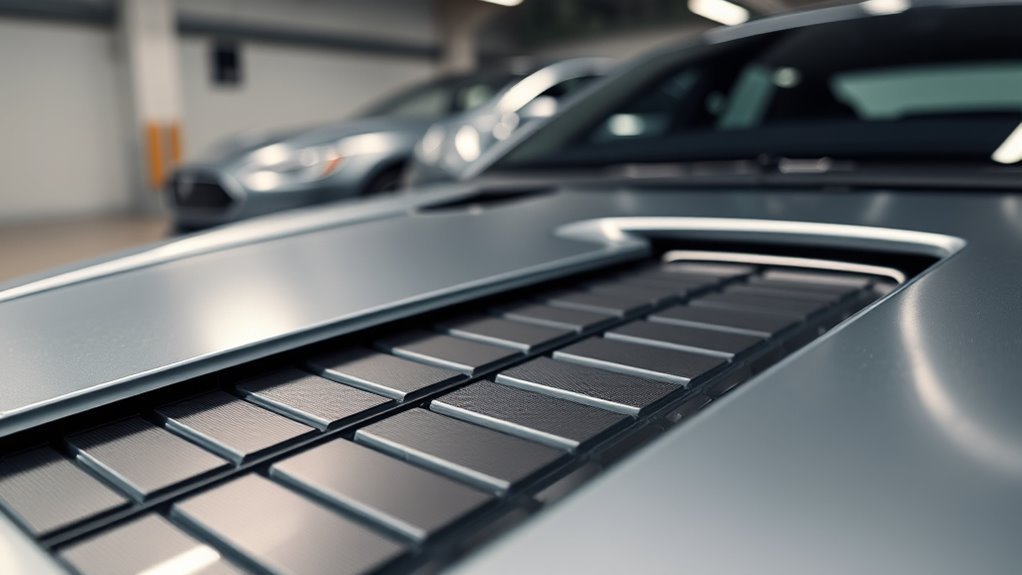
Current data from fleet operators and long-term owners shows that most Tesla battery packs remain effective for hundreds of thousands of miles. A reasonable estimate for most drivers is 300,000 to 500,000 miles of service. For a typical person driving 12,000 miles per year, this translates to 15 to 20 years of vehicle life.
Degradation happens gradually. Most packs lose a small percentage of capacity during the first few thousand miles, then enter a period of much slower decline. Studies show an average loss of about 1% per year, though specific results depend on climate and charging habits.
Which Factors Affect Battery Health?
Several variables determine how quickly your battery loses capacity. Understanding these helps you manage your car for the long haul.
- Driving Style: Aggressive acceleration generates high heat levels inside the cells. Gentle driving reduces this stress and preserves capacity.
- Charging Methods: Frequent DC fast charging creates more heat than standard home charging. Use slow, overnight charging for daily needs to minimize wear.
- State of Charge: Batteries experience the most stress when stored at 100% or near 0%. Keeping your daily charge between 20% and 80% protects the chemical structure.
- Temperature Extremes: High heat damages battery chemistry over time. Park in a garage or shade during hot weather to help the thermal management system.
- Battery Chemistry: Newer LFP (lithium iron phosphate) batteries tolerate 100% charging better than traditional NCM or NCA cells. Always check your manual for specific chemistry guidelines.
Understanding Chemistry and Cycle Life
Tesla has transitioned through several cell types to improve efficiency and longevity. Older packs used 18650 and 2170 cylindrical cells, which provide excellent energy density. Newer LFP packs offer lower energy density but significantly higher cycle life, meaning they survive more charge-discharge cycles before significant degradation occurs.
Engineers design these packs to withstand 1,000 to 3,000 cycles depending on the chemistry. Because a single cycle represents a full depletion and recharge, most owners reach the end of their vehicle’s practical life long before they hit these cycle limits.
Understanding Your Battery Warranty
Tesla provides an 8-year warranty to protect against major defects and excessive capacity loss. This coverage guarantees that your battery retains at least 70% of its original capacity during the warranty period.
- Model S / Model X: 8 years or 150,000 miles.
- Model 3 / Model Y (Long Range): 8 years or 120,000 miles.
- Model 3 / Model Y (Rear-Wheel Drive): 8 years or 100,000 miles.
If your battery drops below the 70% threshold while under warranty, Tesla will repair or replace the pack. Always consult your specific service agreement for the exact terms applicable to your vehicle.
What Does battery replacement cost?
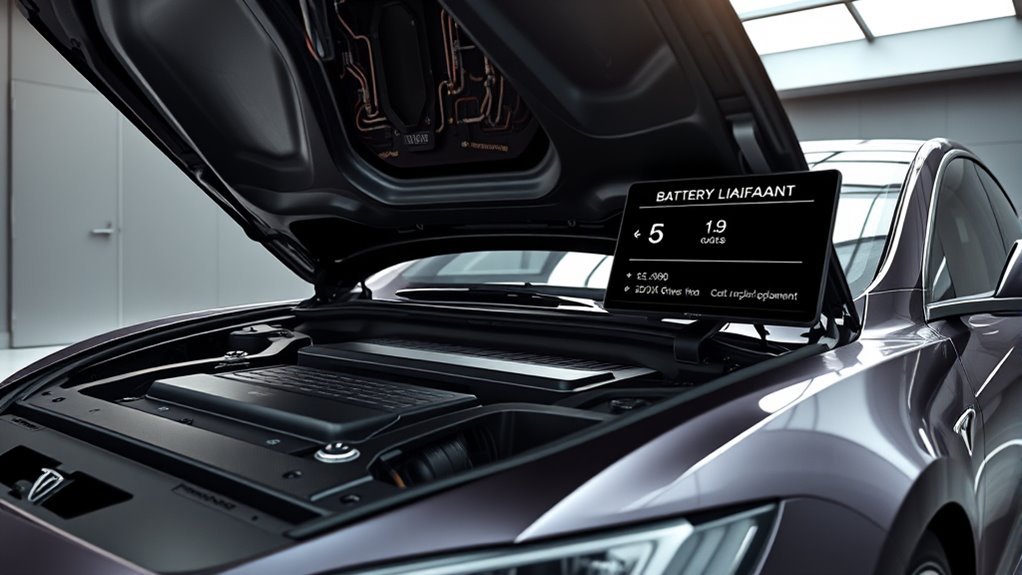
Most owners never pay for a full battery replacement. However, if you face an out-of-warranty failure, costs vary based on your model and regional labor rates. Prices typically range from $5,000 to $15,000 for Model 3 or Model Y packs. Model S and Model X replacements can cost between $13,000 and $25,000.
Some service centers now offer remanufactured packs, which lower the price compared to brand-new units. Ask your local service advisor about available options if you ever face a repair bill.
Real-World Battery Performance
Data from high-mileage fleets provides a clearer picture than laboratory tests. Many commercial vehicles hit 300,000 miles with only 10% to 12% total capacity loss. These results show that the average driver, who does not push their car to the limits every day, will likely see even better results over a 15-year ownership period.
Maintenance Tips for Longevity
You can influence your battery’s health through three simple habits.
Smart Charging Habits
Set your daily charge limit to 80% unless you own an LFP battery, which permits 100% charging. Use Level 2 home chargers whenever possible. Only use Superchargers for long trips or emergencies to avoid unnecessary heat buildup.
Thermal Management
Keep your car plugged in during extreme weather. When plugged in, the car can use grid power to run its climate control system, protecting the battery temperature without draining its own energy reserves.
Driving and Braking
Smooth acceleration helps the battery discharge at a steady rate. Make sure you use regenerative braking, as it helps extend your range and reduces mechanical stress on your braking system.
Frequently Asked Questions
Can I charge my Tesla to 100% every day?
Only charge to 100% daily if your vehicle uses LFP chemistry. For other battery types, stick to 80% or 90% for daily use to prevent premature degradation.
Will I need a replacement after 10 years?
Usually, no. Most owners report that their range remains perfectly adequate after 10 years. Many vehicles remain on the road with their original battery packs well beyond this milestone.
Does Supercharging ruin the battery?
Frequent Supercharging can lead to faster degradation due to thermal stress. While the technology is safe and effective for road trips, relying on slow home charging for daily needs is the better choice for long-term health.
Tesla batteries are durable, long-lasting components that easily survive the typical lifespan of a modern passenger car. By following simple charging guidelines and avoiding extreme temperatures, you can ensure your vehicle remains reliable for years to come. Focus on regular, moderate usage to get the best performance from your investment.







Leave a Reply