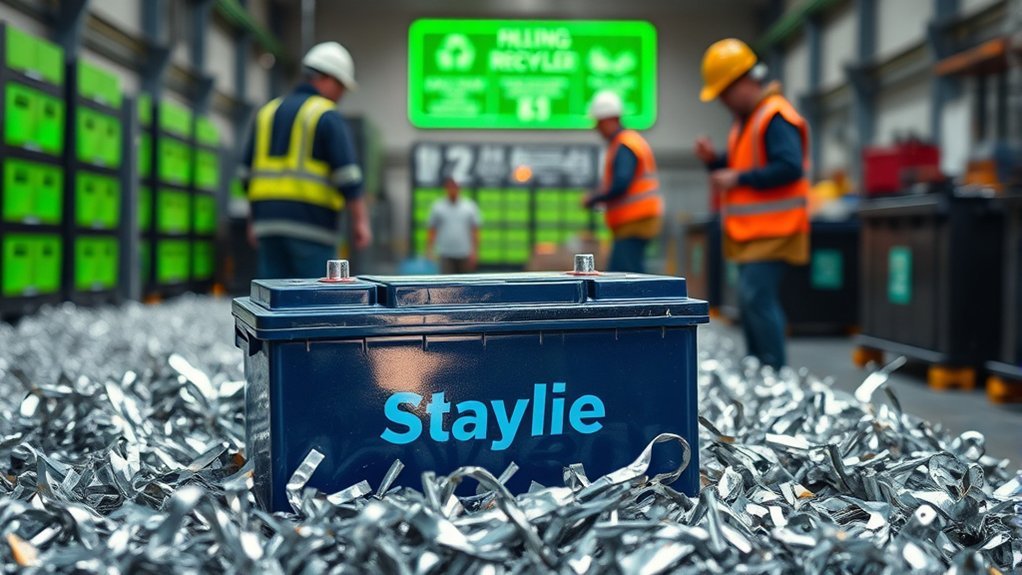
Recycling car batteries is crucial for the environment as it prevents hazardous materials from contaminating soil and water. To recycle your battery, first, charge and test it, then find a certified recycling center. Always transport it upright and handle it with gloves and goggles. You can earn core charge refunds or store discounts by recycling your old batteries. Plus, knowing when to refurbish instead of recycling can extend battery life. There’s more you can discover about this important process.
Key Takeaways
- Recycling car batteries prevents hazardous materials from contaminating the environment and supports a circular economy by recovering valuable materials like lead and lithium.
- Assess the battery’s condition by fully charging and testing it, and consider refurbishment if it holds a charge.
- Always wear gloves and safety goggles when handling batteries; transport them upright to avoid leaks and spills.
- Choose a certified recycling facility or auto parts store for proper disposal and check for core charge refunds or discounts.
- Participating in recycling programs can save money and support job opportunities while minimizing the economic impact of improper disposal.
Why Recycling Car Batteries Is Crucial for Our Environment
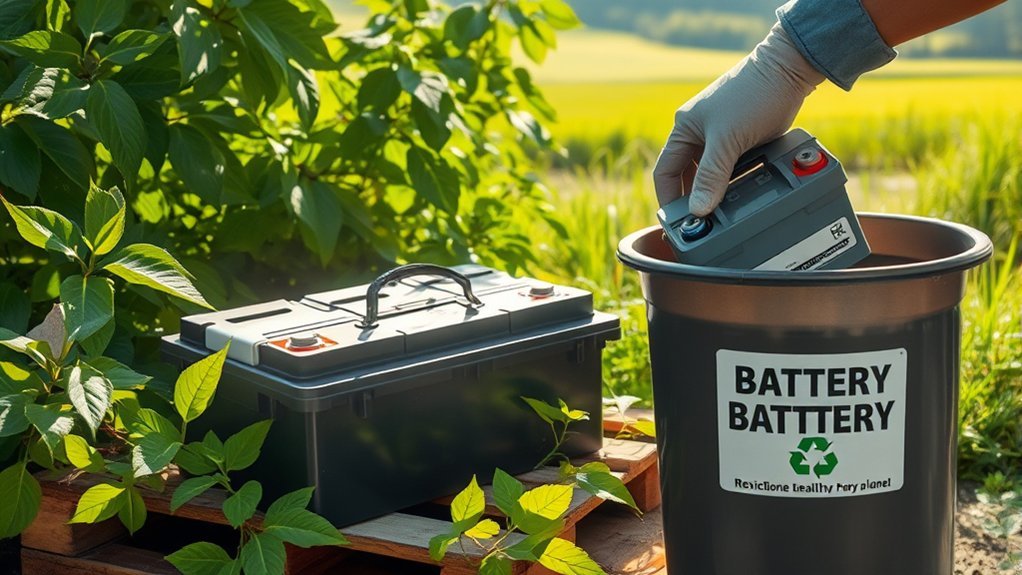
Recycling car batteries is crucial for our environment because improper disposal can lead to the release of hazardous materials, such as lead and sulfuric acid, which jeopardize both soil and water quality.
These toxic substances pose serious risks to ecosystems and human health, making responsible recycling essential. By recycling, you help prevent these materials from contaminating the environment and reduce the volume of hazardous waste sent to landfills.
Additionally, the recycling process recovers valuable materials like lead and lithium, supporting a circular economy that decreases reliance on mining.
With approximately 99% of lead-acid batteries recycled in the U.S., effective recycling initiatives significantly minimize the environmental impact, conserve resources, and promote sustainable manufacturing practices, ultimately benefiting our planet.
Understanding the Components of Car Batteries
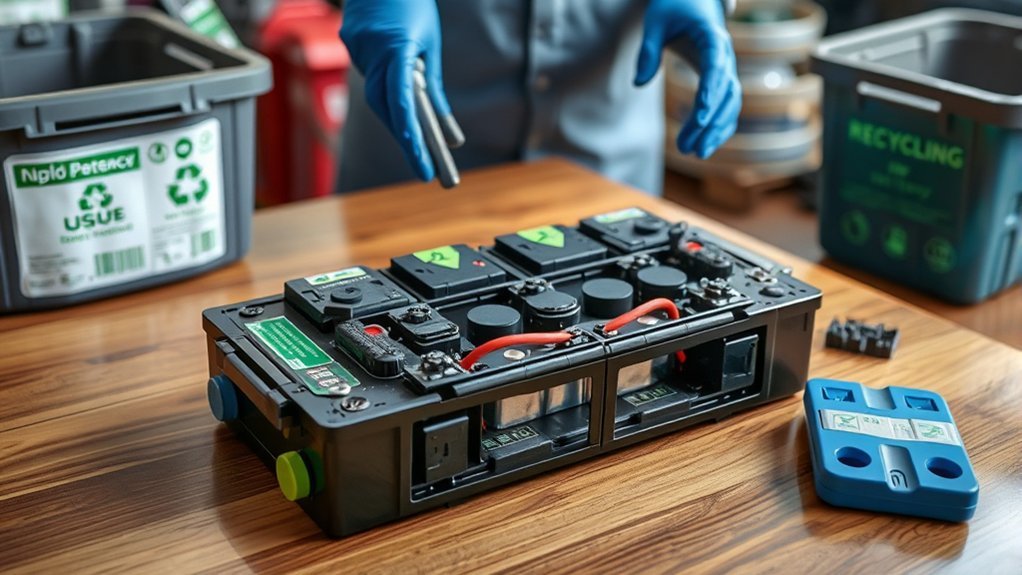
Understanding the intricate components of car batteries is essential for grasping how they function and why their recycling is vital. Primarily, car batteries utilize lead acid chemistry, featuring positive plates of lead dioxide paste and negative plates of sponge lead. These plates facilitate electrochemical reactions, while the micro-porous polyethylene separator prevents short-circuiting and allows electrolyte flow. The liquid electrolyte, composed of water and sulfuric acid, is crucial for energy storage and release. Encased in a polypropylene container, the battery maintains structural integrity. With an average battery lifespan of about six years, it’s noteworthy that around 99% of materials are recyclable.
| Component | Function | Material |
|---|---|---|
| Positive Plates | Store electrical energy | Lead dioxide paste |
| Negative Plates | Facilitate energy release | Sponge lead |
| Separator | Prevent short-circuiting | Micro-porous polyethylene |
| Electrolyte | Facilitate energy storage & release | Water and sulfuric acid |
Step-by-Step Guide to Recycling Car Batteries
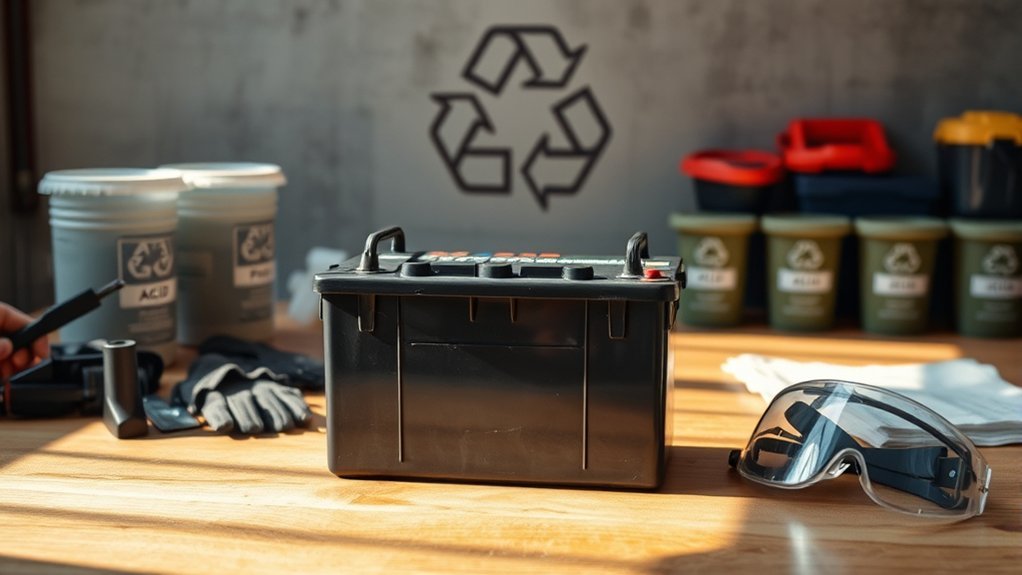
Before recycling your car battery, start by fully charging and testing it to assess its remaining life.
Once you determine it’s ready for disposal, choose a certified recycling facility or auto parts store to ensure it’s handled properly.
This step is crucial for both safety and environmental protection.
Preparing Your Battery For Recycling
To ensure your car battery is ready for recycling, start by charging and testing it thoroughly; this not only confirms its safety for transport but also helps determine if it can be refurbished.
Next, follow these battery maintenance tips to prepare your battery properly:
- Remove terminal connections and clean the terminals to prevent corrosion.
- Transport the battery in an upright position to avoid leakage of hazardous materials.
- Check for any core charge refunds or discounts offered by retailers when returning your battery.
Taking these steps will facilitate safe transport and ensure compliance with environmental regulations.
Choosing A Recycling Facility
How can you ensure your old car battery is recycled responsibly? Start by choosing a recycling facility with recognized recycling certifications, such as the R2 Standard or e-Stewards.
These certifications confirm that the facility adheres to strict facility standards, promoting safe and effective recycling practices. Use resources like Earth911 or Call2Recycle to find local facilities that accept car batteries and comply with environmental regulations.
Don’t overlook local auto parts stores or hazardous waste sites, which often offer battery recycling services and may provide discounts on new battery purchases as an incentive.
Lastly, confirm that the facility effectively recovers valuable materials like lead, plastic, and sulfuric acid, supporting a circular economy and minimizing resource extraction.
Economic Benefits of Recycling Car Batteries
Recycling car batteries offers significant economic benefits that you can’t overlook.
By recovering valuable materials, you not only save on manufacturing costs but also help create job opportunities in your community.
Plus, the financial incentives from core charge refunds make recycling a smart choice for your wallet and the environment.
Cost Savings Through Recycling
While many people may overlook the economic advantages of recycling car batteries, engaging in this practice can lead to substantial cost savings.
By recycling, you enhance cost efficiency through material recovery, reclaiming valuable resources like lead, lithium, cobalt, and nickel. This reduces the need for expensive mining while benefiting your wallet.
- Retailers often offer core charge refunds or discounts on new batteries.
- The recycling process recovers about 99% of materials for reuse, lowering raw material costs.
- Recycling minimizes the economic impact of improper disposal, which can lead to fines and cleanup expenses.
Job Creation Opportunities
When you consider the broader implications of car battery recycling, it becomes clear that this process isn’t just about environmental sustainability; it also plays a crucial role in job creation.
The recycling of car batteries generates significant job opportunities in the recycling and waste management sectors, contributing to local economies. According to the EPA, this industry currently supports around 45,000 jobs in the U.S., spanning collection, processing, and manufacturing roles.
As demand for recovered materials grows, thousands of additional jobs are projected to emerge. Investing in battery recycling facilities not only attracts skilled labor but also bolsters local businesses.
Ultimately, the circular economy fostered by battery recycling stabilizes material supply chains, ensuring long-term employment opportunities in both manufacturing and recycling processes.
Resource Recovery Efficiency
The economic advantages of recycling car batteries extend well beyond job creation. By focusing on material recovery, you can significantly reduce production costs for new batteries, often making recycling cheaper and more reliable than importing raw materials. This approach stabilizes costs for manufacturers and reduces their reliance on global supply chains.
- Recycling technology enables the recovery of valuable materials like lead, lithium, cobalt, and nickel.
- Financial incentives, such as core charge refunds, encourage consumer participation, bolstering the economy.
- The process promotes a circular economy, reusing materials in new products and enhancing resource recovery efficiency.
Embracing these practices not only minimizes environmental impact but also supports sustainable manufacturing efforts.
Finding Recycling Centers Near You
Where can you find a reliable recycling center for your old car batteries?
Start by using resources like Earth911 or Call2Recycle to locate certified recycling locations in your area. Many auto parts stores and hazardous waste collection sites accept old batteries for recycling, ensuring responsible disposal.
Don’t forget to check local community programs that organize hazardous waste collection events; these often include car battery recycling services.
Some retailers even offer incentives, like discounts or rewards, for returning old batteries, making it easier and more economical to recycle.
Always confirm that the recycling center adheres to environmental regulations and standards, ensuring the safe handling and processing of hazardous materials during your battery drop off.
Preparation Steps for Recycling Your Car Battery
After locating a recycling center, preparing your car battery for recycling is the next important step. Start by testing and fully charging the battery to see if it can be refurbished, which can extend its lifespan.
Here are some essential preparation steps:
- Store the battery in a cool, dry place, ensuring it’s secured to prevent leakage or damage during transport.
- Clean any corrosion from the terminals and wipe down the casing to facilitate safe handling.
- Always wear gloves and safety goggles for necessary safety precautions, protecting yourself from hazardous materials like sulfuric acid and lead.
Ways to Save Money by Recycling Your Car Battery
How can recycling your car battery actually save you money?
First, many retailers charge a core fee for new batteries, which you’ll get back when you return your old one, effectively lowering your new purchase cost.
By participating in recycling programs, like those at NAPA Auto Parts, you can earn rewards credits that translate into savings on future purchases.
Additionally, recycling helps you avoid battery disposal fees and opens the door to discounts and promotions offered by auto parts stores.
These savings strategies not only reduce your immediate expenses but also contribute to stabilizing supply chains, which can help keep battery prices in check over time.
When to Refurbish Instead of Recycling Your Car Battery?
Recycling your car battery can save you money, but there are instances when refurbishing it might be the better option.
Before deciding, consider the following:
- If your battery still holds a charge and passes a proper battery assessment, refurbishment is a viable choice.
- The refurbishment process involves cleaning, repairing, and rebuilding batteries on-site, ensuring they’re returned in excellent working condition.
- Refurbishing can extend the battery’s life, providing a sustainable alternative to recycling.
If your battery shows signs of remaining life, opting for refurbishment could be both cost-effective and environmentally friendly.
Always evaluate your battery’s condition before disposal to determine the best course of action.
Frequently Asked Questions
Can I Recycle My Car Battery if It’s Leaking?
You shouldn’t recycle leaking batteries yourself due to safety precautions. Instead, contact a professional recycling service. They’ll handle the hazardous materials safely, ensuring proper disposal while protecting both you and the environment from potential harm.
Are There Fees for Recycling Car Batteries?
When you think of recycling car batteries, imagine a treasure chest. While most places charge recycling fees for battery disposal, these costs often ensure safe handling, protecting both the environment and your community from harmful materials.
What Happens to Recycled Car Batteries?
When you recycle car batteries, the recycling process safely extracts lead and acid, preventing environmental impact. Reclaimed materials are repurposed for new batteries or other products, reducing waste and promoting sustainability in manufacturing.
Can I Recycle Other Types of Batteries?
Yes, you can recycle other types of batteries. Household battery recycling programs often accept alkaline and lithium-ion batteries, while alternative battery recycling focuses on rechargeable options, ensuring safe disposal and reducing environmental impact. Check local guidelines for specifics.
How Often Should I Recycle My Car Battery?
You should recycle your car battery every three to five years, following frequency guidelines. Adhering to recycling best practices ensures environmental safety and maximizes the recovery of valuable materials, contributing to sustainable resource management.
Conclusion
Recycling car batteries isn’t just a responsible choice; it’s a step towards a healthier planet. By understanding the components and following the right steps, you’re not only reducing waste but also tapping into economic benefits. So, when it comes to disposing of your old battery, don’t throw in the towel. Instead, find a local recycling center, prepare your battery properly, and reap the rewards. Every small effort counts, and you’re making a difference!







Leave a Reply