Quick Answer
To charge your car battery, connect the red clamp to the positive terminal and the black clamp to the negative terminal before plugging in the charger. Always perform this task in a well-ventilated area and wear protective gear to prevent acid exposure. Once the battery reaches a full charge, disconnect the charger clamps in reverse order to ensure safety.
A dead car battery often strikes at the worst possible time, leaving you stranded with a vehicle that won’t start. While many drivers reach for jump cables, a proper slow charge using a dedicated battery charger extends the life of your battery significantly. This guide shows you how to charge your battery safely and keep your charging system in top condition.
Why Regular Car Battery Charging Matters
Regular charging ensures your vehicle starts reliably. Batteries lose power over time, especially when you park the car for long periods. Even short trips sometimes fail to provide enough power from the alternator to top off the battery.
Cold weather also lowers battery performance, making winter maintenance vital. Frequent, deep discharge cycles damage internal components and reduce total lifespan. Data from automotive organizations shows that a high percentage of breakdowns stem from battery health issues, so consistent care prevents these failures.
Signs Your Car Battery Needs Charging
Dimming headlights while the engine runs at idle often signal a struggling battery. If your engine hesitates or struggles to turn over during startup, these symptoms confirm the need for a charge. Staying alert to these indicators prevents unexpected breakdowns.
Dimming Headlights Indicate Weakness
Dimming headlights warn you that the battery isn’t holding enough power. If brightness drops when you use accessories, the battery fails to supply sufficient current. Flickering lights during operation also signal a need for immediate diagnostics.
Watch for dashboard warning lights, specifically the battery icon. This light suggests the charging system isn’t replenishing the battery correctly. Monitor these signs to address issues before they cause a complete failure.
Engine Struggles to Start
Listen for specific noises when you turn the ignition key. A repeating ticking sound usually means your battery lacks the power to engage the starter motor. A sluggish, chugging engine also suggests you need to recharge or replace the unit.
Always check your dashboard for warning lights if startup performance feels weak. Catching these early symptoms keeps your vehicle reliable and avoids a total loss of power.
Essential Tools for Charging Your Car Battery

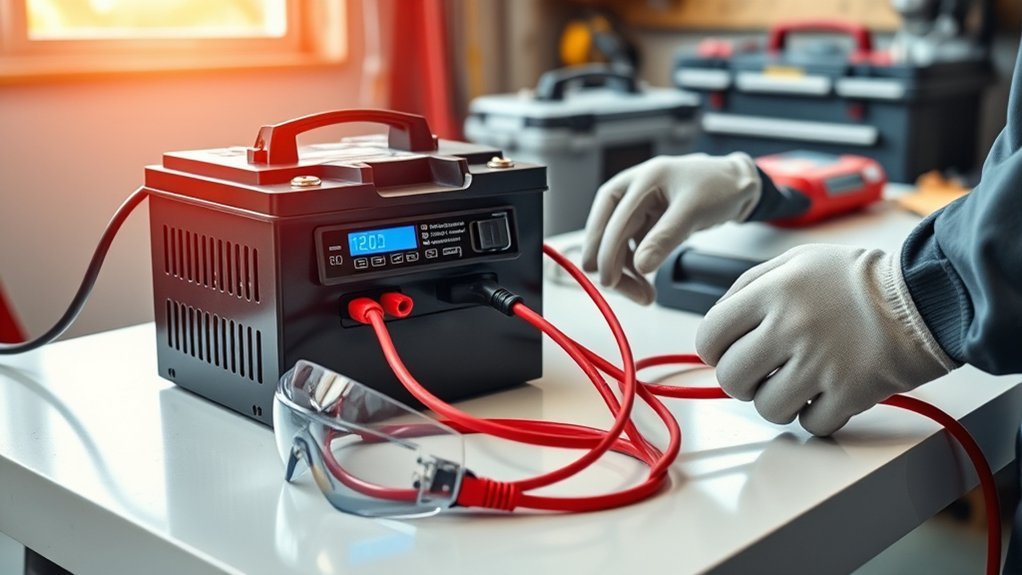
You need the right tools to charge your battery safely and efficiently. Start with a battery charger that matches your battery chemistry and voltage, which is 12V for most modern cars.
Wear safety goggles and gloves to protect against acid and accidental sparks. A small screwdriver might help if you need to remove a battery cover to access the terminals. Use a flashlight or magnetic light to ensure you make clean, secure connections to the battery posts.
Step-by-Step Guide to Charging Your Car Battery
Follow these steps to ensure a safe, effective charge. Ensure the charger is unplugged and turned off before you begin.
- Locate the positive (+) and negative (-) terminals on your battery.
- Connect the red clamp to the positive terminal.
- Connect the black clamp to the negative terminal.
- Plug the charger into a wall outlet and turn it on.
- Select the correct charging mode for your specific battery type.
Always work in a well-ventilated space to avoid breathing in gases emitted during the chemical process. Once the battery reaches a full charge, turn off the charger, unplug it, and disconnect the black clamp first, followed by the red clamp.
Features of a Quality Battery Charger
Look for smart charging technology when selecting a charger. These units automatically adjust the current to prevent overcharging. Ensure the model supports your specific battery chemistry, such as AGM, gel, or flooded lead-acid.
Smart Charging Benefits
Advanced chargers manage the process through multiple stages. They monitor temperature and voltage to protect battery health. Features like automatic shut-off prevent damage once the battery reaches full capacity.
Common Charging Mistakes to Avoid
Safety mistakes during charging often lead to damage or injury. Never ignore ventilation requirements, as charging batteries emit small amounts of hydrogen gas. Avoid using the wrong charger settings, as this can overheat the battery and destroy internal plates.
Correct Terminal Connections
Always verify the positive and negative terminals before clamping. Connecting the cables in reverse risks a short circuit or damage to the car’s sensitive electronics. If your charger includes reverse polarity protection, it may prevent sparks, but you should still double-check every connection.
Maintenance Tips for Battery Longevity
Clean your battery terminals regularly to prevent corrosion buildup. If you park your car for long periods, use a battery maintainer to keep the charge between 20% and 80%. This prevents the deep discharge cycles that cause premature battery failure.
Troubleshooting Charging Issues
If your charger shows no activity, check your power outlet first. Inspect the charger cables for fraying or damage. If the charger remains unresponsive or indicates an error, test the battery with a multimeter. A reading below 12.4 volts usually indicates that the battery needs a deep charge or replacement. Always consult a qualified professional if you feel unsure about electrical safety.
Frequently Asked Questions
Can I charge a frozen car battery?
Never charge a frozen battery. The internal structure may have damage, and charging a frozen battery creates a high risk of cracking or explosion. Allow it to thaw at room temperature before you attempt to charge it.
How long does it take to charge a car battery?
Charging times typically range from 4 to 12 hours depending on the charger’s amperage and the depth of the battery’s discharge. Higher amperage settings charge faster, but slower, controlled charging often provides better long-term battery health.
Is it safe to charge a battery in the car?
Yes, you can safely charge a battery while it remains in the vehicle. Ensure your workspace is well-ventilated and that you connect the cables to the correct terminals to avoid sparks near the engine bay.
What happens if I connect cables incorrectly?
Incorrect polarity often blows fuses or damages the battery’s internal cells. It may cause sparks and potential battery venting. Double-check your connections to ensure the red clamp meets the positive terminal.
Final Thoughts
Regular charging keeps your vehicle reliable and prevents the frustration of a car that won’t start. By monitoring your battery status and using a smart charger correctly, you protect your investment and avoid unnecessary repair costs. Take the time to inspect your battery terminals today to ensure they remain clean and corrosion-free for your next drive.







Leave a Reply