
To prevent corrosion on your EV charging connectors, regularly clean them with a soft cloth and pH-neutral cleaner. Inspect connectors every 3-6 months for wear or damage and check for any discoloration or residue indicative of corrosion. When not in use, store connectors in weatherproof covers to shield against contaminants. Apply dielectric grease to metal contacts in humid environments. Following these simple maintenance steps helps guarantee peak performance. More thorough strategies for long-term protection await you.
Understanding the Importance of Preventing Corrosion on EV Connectors
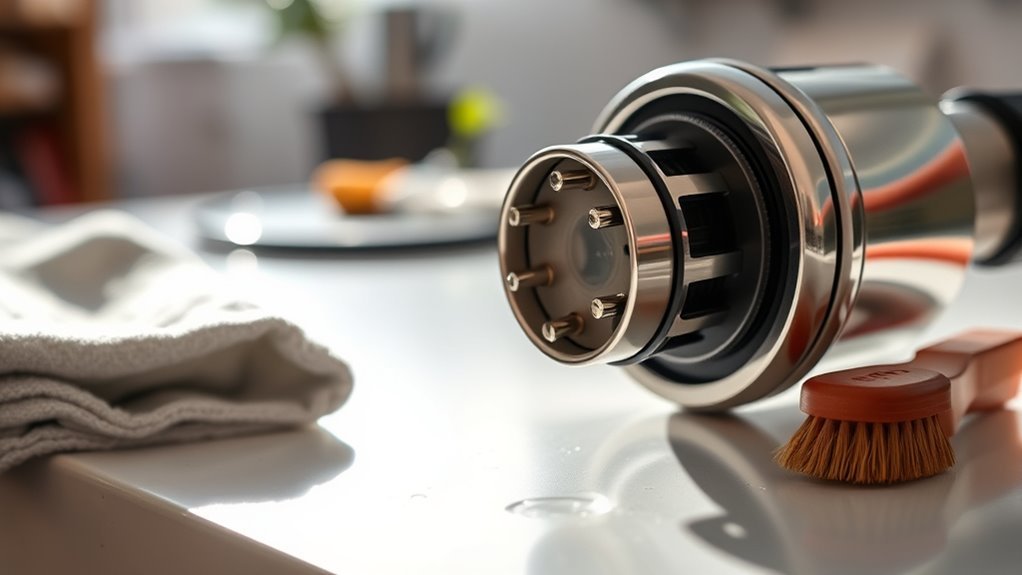
When you consider the vital role of EV connectors in guaranteeing efficient charging, it’s clear that preventing corrosion is essential.
Corrosion causes, such as moisture and environmental pollutants, can lead to increased contact resistance, which slows down charging and diminishes performance. Regular maintenance frequency is important; routine inspections help you identify early signs of corrosion, like discoloration or buildup.
By maintaining clean connectors, especially in humid or salty environments, you greatly reduce the risk of unexpected failures that disrupt your charging experience. Using protective covers can further shield connectors from dirt and moisture, extending their lifespan.
Essential Tools for Maintaining EV Charging Connectors
To maintain EV charging connectors effectively, you’ll need specialized tools designed for precision cleaning.
Microfiber cloths, isopropyl alcohol solution, and soft detailing brushes are essential for removing contaminants without causing damage.
Each tool plays a specific role in ensuring connectors remain corrosion-free and functional over time.
Microfiber Cloths for Cleaning
Microfiber cloths are essential tools for maintaining EV charging connectors, ensuring they remain clean and functional. Their non-abrasive nature minimizes the risk of scratching delicate surfaces while effectively removing dirt and dust.
The microfiber benefits extend to preventing the transfer of contaminants, which is vital for maintaining ideal conductivity. When using proper cleaning techniques, these cloths can absorb moisture, making them ideal for drying connectors post-cleaning to reduce corrosion risks.
Regularly wiping down connectors with microfiber cloths considerably decreases wear and tear, ultimately extending the lifespan of your charging equipment.
To maintain their effectiveness, always wash microfiber cloths separately from other laundry, as oils and residues can compromise their cleaning capabilities.
Isopropyl Alcohol Solution
Isopropyl alcohol (IPA) is an essential agent for maintaining the integrity of EV charging connectors. Its rapid evaporation minimizes moisture accumulation, a key factor in corrosion prevention.
Employ appropriate IPA dilution techniques, using a solution of around 70% IPA for effective cleaning. For ideal results, utilize IPA application methods such as gently wiping the metal contacts with a foam swab or soft cloth, ensuring not to saturate the tool.
This approach effectively dissolves dirt, grime, and oxidation that can hinder electrical conductivity. Regular cleaning with IPA not only preserves connector performance but also extends their lifespan by preventing contaminant build-up.
Always allow connectors to air dry completely before reuse to eliminate any residual liquid that could cause corrosion or electrical issues.
Soft Detailing Brushes
Soft detailing brushes are indispensable for maintaining the integrity of EV charging connectors. These brushes feature gentle bristles crafted from synthetic brush materials, allowing you to clean connectors without scratching sensitive surfaces.
Their design enables access to tight spaces, effectively dislodging dirt and debris that can lead to corrosion if neglected. Incorporating soft detailing brushes into your regular maintenance techniques markedly extends the lifespan of your connectors by preventing buildup that causes wear and contact resistance.
A clean connector is essential, as dirt and grime can compromise electrical connections and charging efficiency. With their moisture and corrosion resistance, these brushes are ideal for various environmental conditions, making them an important tool in your maintenance arsenal.
Inspecting EV Connectors: A Step-By-Step Guide
To guarantee peak performance and longevity of EV charging connectors, you should conduct regular inspections for signs of corrosion, wear, and dirt buildup.
Make it a habit to inspect connectors at least once a month, or more frequently in humid or harsh environments.
Begin by checking for physical damage, such as bent pins or frayed wires, as these can lead to poor connections.
Ascertain that connectors align properly; misalignment can cause damage over time and hinder charging efficiency.
Look for moisture ingress at connector heads, as water exposure can accelerate corrosion.
Document your findings during each inspection, noting any signs of wear and maintenance performed.
This tracking will help you implement effective preventive measures and address any emerging issues promptly, preserving the functionality and reliability of your EV charging system.
Safe and Effective Cleaning of EV Connectors
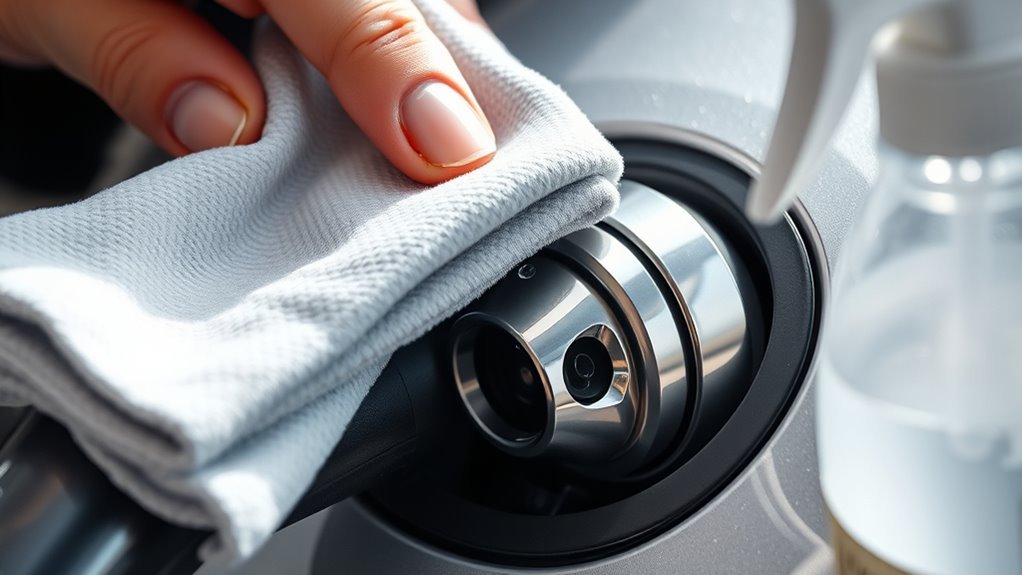
When you clean EV connectors regularly, you help maintain their performance and longevity. Use a soft, damp cloth along with a pH-neutral cleaner to remove dirt buildup and prevent corrosion. It’s essential to inspect connectors for wear, as issues like bent pins can lead to charging failures.
Consider applying a light coating of dielectric grease to metal contacts, especially in humid environments, to enhance connector safety and guarantee proper conductivity. Store connectors in weatherproof covers when not in use to further protect against environmental exposure.
Here’s a quick reference table for effective cleaning techniques:
| Action | Frequency | Purpose |
|---|---|---|
| Clean with damp cloth | Every 1-3 months | Prevent dirt buildup |
| Inspect for wear | Every 3-6 months | Early issue detection |
| Apply dielectric grease | As needed | Protect against moisture |
| Store in weatherproof cover | Always when unused | Shield from environmental damage |
Effective Strategies to Shield EV Connectors From Environmental Damage
To effectively shield your EV connectors from environmental damage, you need to implement regular cleaning practices and utilize protective covers.
Monitoring environmental conditions is also essential, as it helps you identify potential threats like moisture and UV exposure.
Regular Cleaning Practices
Regular cleaning practices play an essential role in maintaining the integrity of EV charging connectors. To guarantee peak performance, establish a consistent cleaning frequency; regularly wipe down connectors with a soft, damp cloth to eliminate dirt, dust, and moisture that could lead to corrosion.
Use a pH-neutral cleaner tailored for automotive applications, steering clear of harsh chemicals that might damage connector materials. Frequently inspect connectors for signs of wear and corrosion, addressing any issues immediately to prevent further degradation.
When storing connectors, keep them in weatherproof covers to shield against environmental factors. Additionally, applying high-quality dielectric grease to connector pins forms a protective barrier against moisture, enhancing connectivity and reducing corrosion risks during charging sessions.
Protective Covers Usage
Protective covers play an essential role in safeguarding EV connectors from environmental damage. By using these covers, you greatly reduce exposure to moisture, dirt, and debris—key contributors to corrosion and wear.
Opt for weatherproof covers specifically designed for connectors; they effectively shield against rain, snow, and harmful UV rays, extending component lifespan. When choosing cover materials, prioritize durable, weather-resistant options to guarantee maximum protection.
For ideal results, follow these installation tips: make sure the cover fits snugly to prevent infiltration of contaminants, and regularly inspect the covers for any signs of wear.
Incorporating protective covers into your maintenance strategy not only enhances charging efficiency but also decreases the frequency of costly repairs or replacements.
Environmental Condition Monitoring
Monitoring environmental conditions around EV connectors is crucial for preventing corrosion and extending their lifespan. High humidity and salt exposure are key corrosion factors that can accelerate material degradation.
To combat this, regularly inspect the surroundings and utilize weatherproof covers when connectors aren’t in use, shielding them from rain, snow, and direct sunlight.
Implement proper cable management to reduce tension and avoid dirt accumulation, which can hinder functionality. Routine visual inspections for signs of corrosion or moisture ingress are essential; address any issues immediately to prevent further damage.
Finally, store connectors in a clean, dry environment, using protective caps to minimize exposure to dust and contaminants, ensuring peak performance and longevity.
How to Spot Corrosion and Know When to Call a Pro?
How can you effectively identify corrosion on your EV charging connectors? Start by visually inspecting the connectors for discoloration, rust, or a white, powdery residue. These signs of corrosion signal that moisture has compromised the metal surfaces.
Regularly check for oxidation or pitting, as these issues can disrupt charging efficiency and connection reliability. Pay close attention to any changes in charging speed or connection stability; these symptoms often indicate underlying corrosion problems.
If you spot persistent corrosion that impacts functionality, it’s time to call for a professional assessment. Environmental factors like high humidity, saltwater exposure, and extreme temperatures can accelerate corrosion, making more frequent inspections essential.
Long-Term Maintenance Tips for EV Charging Connectors
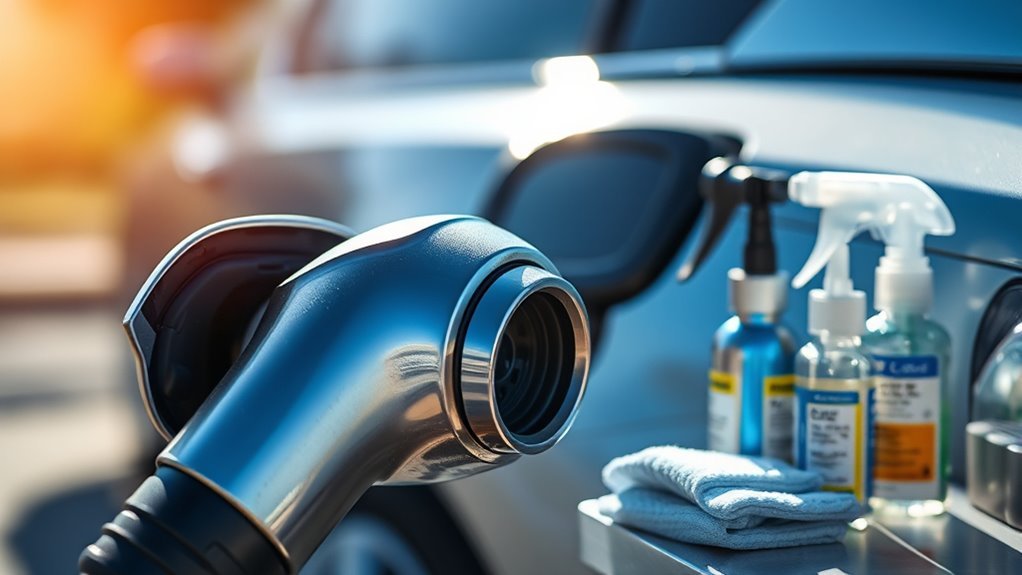
While safeguarding the longevity of your EV charging connectors, it’s crucial to adopt a routine maintenance strategy. A well-planned maintenance schedule will greatly enhance connector lifespan and guarantee reliable performance.
To ensure the longevity of your EV charging connectors, implementing a consistent maintenance routine is essential for reliable performance.
Here are some key practices to incorporate:
- Regularly inspect for corrosion, wear, or damage.
- Clean connectors with a soft, damp cloth and pH-neutral automotive cleaner after each use.
- Store connectors in a weatherproof cover to shield against environmental elements.
Additionally, applying dielectric grease to the connector pins creates a protective barrier against moisture and corrosion. However, be cautious not to over-apply, as it can interfere with charging.
Keeping a log of inspections and cleaning activities allows you to track condition and schedule timely maintenance. By following these steps, you’ll enhance the durability of your connectors and guarantee efficient charging for years to come.
Frequently Asked Questions
How to Fix Corrosion in a Charging Port?
To fix corrosion in a charging port, disconnect it, inspect for damage, clean with a soft brush and isopropyl alcohol, then dry thoroughly. For preventive measures, apply dielectric grease to protect against future corrosion causes.
How to Clean EV Charger Connector?
To clean your EV charger connector, use a damp cloth for connector cleaning. Regularly inspect it for wear, and apply maintenance tips like using a pH-neutral cleaner, allowing it to dry completely before usage.
What Maintenance Does an EV Charger Need?
Your EV charger needs regular inspections for connector wear, cleaning after each use, protective storage, and a maintenance schedule every 6 to 12 months. Always verify software updates to guarantee ideal functionality and security.
How Do You Clean a Type 2 Connector?
A stitch in time saves nine. To clean a Type 2 connector, use a soft, damp cloth and avoid harsh cleaning solutions. Regularly inspect connector materials for debris, ensuring it’s completely dry before storage or use.
Conclusion
In summary, keeping your EV charging connectors free from corrosion is essential for peak performance, akin to maintaining the lifeblood of your vehicle. By regularly inspecting and cleaning these connections, you guarantee a seamless flow of energy, much like a well-oiled machine. Remember, a little preventive care goes a long way in shielding your connectors from the elements. Stay vigilant and proactive; after all, a small effort today can protect your investment for years to come.







Leave a Reply