
Quick Answer
Replacing a Tesla battery typically costs between $10,500 and $28,000 depending on the model and pack size. Most Tesla batteries remain covered under an 8-year warranty, which protects against excessive degradation or defects. You can often lower these costs by opting for module repairs or using third-party service providers instead of full pack replacements.
Replacing a Tesla battery represents a significant expense for any owner. Knowing the current price ranges and your warranty status helps you avoid unexpected bills. This guide breaks down what you should expect if your battery needs service or replacement.
Key Takeaways
- Model S battery replacements generally cost between $12,000 and $15,500.
- Model X battery replacements exceed $13,900 for larger 100 kWh packs.
- Model 3 replacement costs range from $13,500 for remanufactured units to $28,000 for new packs.
- Model Y replacements typically cost between $10,500 and $15,000.
- Factors such as battery chemistry, vehicle age, and labor rates influence total final costs.
Tesla Battery Replacement Costs by Model
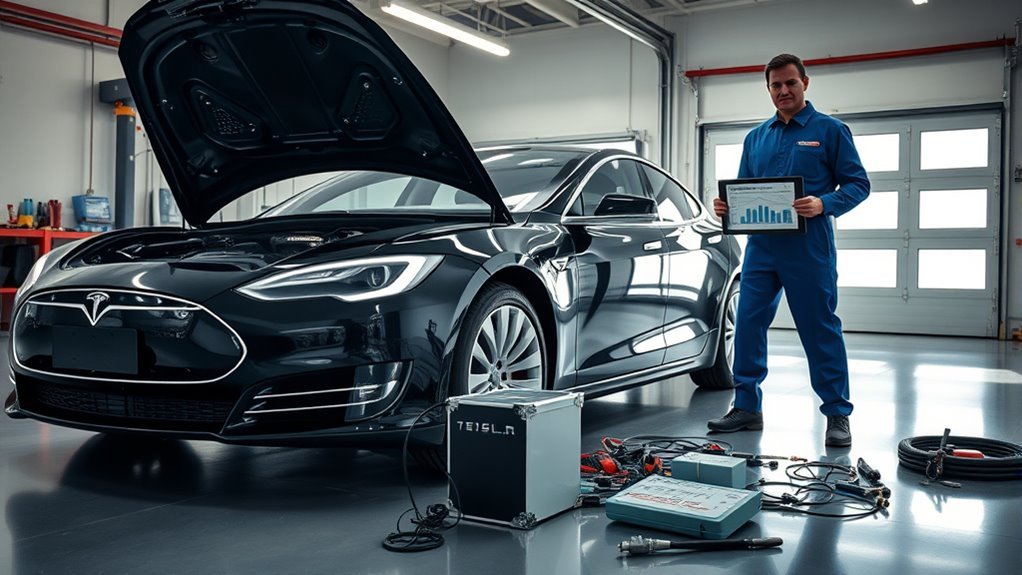
Tesla battery replacement costs vary based on the specific model and battery capacity. Older models and larger performance packs command higher prices due to cell complexity and availability.
The Model S typically costs between $12,000 and $15,500 for a standard replacement. Model X owners should prepare for higher costs, as 100 kWh packs often exceed $13,900 in parts alone. Total service bills for these luxury models frequently reach up to $16,500 once labor is included.
The Model 3 remains more affordable to service. Remanufactured batteries start around $13,500, while new full-pack replacements may cost up to $28,000. Model Y replacements fall into a similar bracket, with estimated totals between $10,500 and $15,000.
Understanding Warranty Coverage for Tesla Batteries
Tesla provides an 8-year warranty on all battery packs. This warranty covers your vehicle if the battery capacity drops below 70% of its original rating during the coverage period.
Mileage limits apply based on when you purchased the vehicle. Models S and X sold before 2020 often include unlimited mileage coverage. Newer Model 3 and Model Y vehicles usually limit this protection to 100,000 miles.
Tesla’s 8-year battery warranty covers you for capacity drops below 70%, with varying mileage limits for different models.
The warranty includes parts, labor, and necessary towing for covered battery issues. Manufacturing defects are also fully covered. This warranty remains attached to the vehicle, meaning it transfers to new owners if you sell your Tesla.
Factors Influencing Replacement Prices
Several elements dictate the final invoice when you replace a battery pack. Understanding these variables helps you budget effectively.
- Battery Chemistry: Newer cell designs like the 4680 format cost more to produce than older 18650 cells.
- Labor Rates: Tesla service centers charge between $175 and $210 per hour depending on your region.
- Pack Capacity: Larger battery packs require more cells and advanced technology, increasing material costs.
- Service Source: Choosing official Tesla service centers costs more than using specialized third-party shops.
Indicators Your Battery Needs Replacement
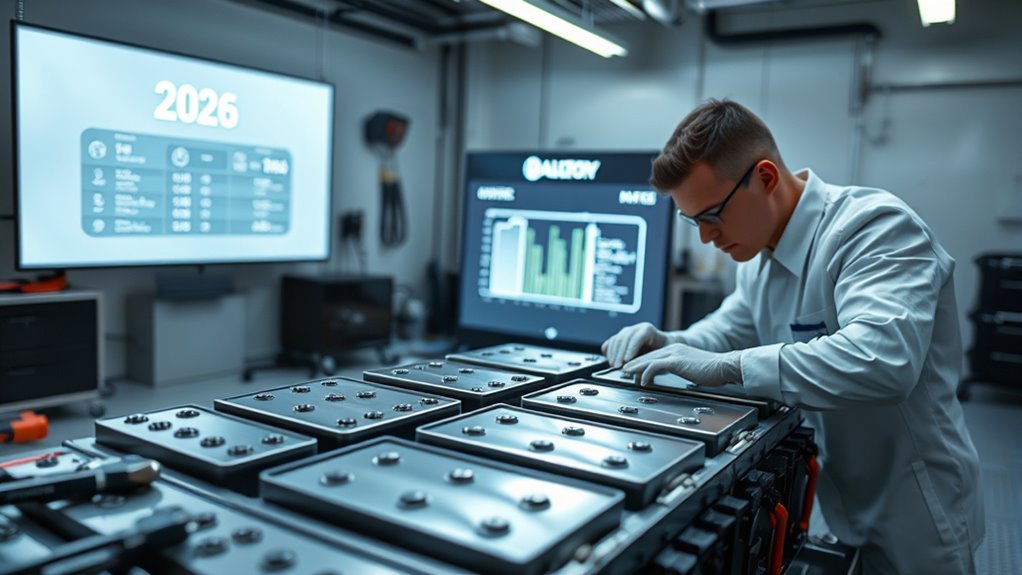
Your vehicle will often warn you before a total battery failure occurs. A primary indicator is a sudden drop in your maximum driving range, specifically a loss exceeding 20% compared to when the car was new.
If your battery stops holding a charge or drains significantly faster than normal, have a professional inspect it. Always check your vehicle dashboard for specific alerts from the Tesla software. Diagnostic software can identify if your battery has degraded beyond the 30% threshold covered by your warranty.
Cost-Effective Alternatives to Full Replacement
You may not need a full battery pack replacement even if you experience performance issues. Many shops now offer module repairs, which address individual failed segments of the pack. This process usually costs between $2,000 and $5,000.
Third-party service providers often charge 30% to 50% less than official Tesla service centers for labor and parts. Consider using refurbished battery packs if you own an older vehicle, as these options provide a reliable alternative to new OEM batteries.
Practice smart charging habits to extend the life of your current pack. Sticking to a 20% to 80% charge window reduces stress on the cells. Always consult a qualified professional before making decisions based on this information.
Common Questions About Tesla Batteries
How Can I Extend My Battery Lifespan?
Avoid leaving your Tesla at 100% charge for long periods, especially in hot weather. Use the daily charging limit settings in your car to cap charging at 80%. These simple habits significantly reduce thermal stress on your battery cells.
Are Remanufactured Batteries Safe?
Remanufactured batteries are generally safe if you buy them from reputable, certified third-party companies. These shops test individual modules and replace faulty ones to ensure the pack meets safety standards. Always verify the warranty offered by the service provider before you commit to the purchase.
Conclusion
Replacing a Tesla battery requires planning and careful consideration of your vehicle’s warranty status. By monitoring your range and utilizing module-level repairs, you can avoid unnecessary expenses while keeping your car on the road. Protect your investment by following recommended charging habits and verifying your coverage before you seek major repairs. Keep your electric vehicle running efficiently by staying proactive with your battery health.







Leave a Reply