Quick Answer
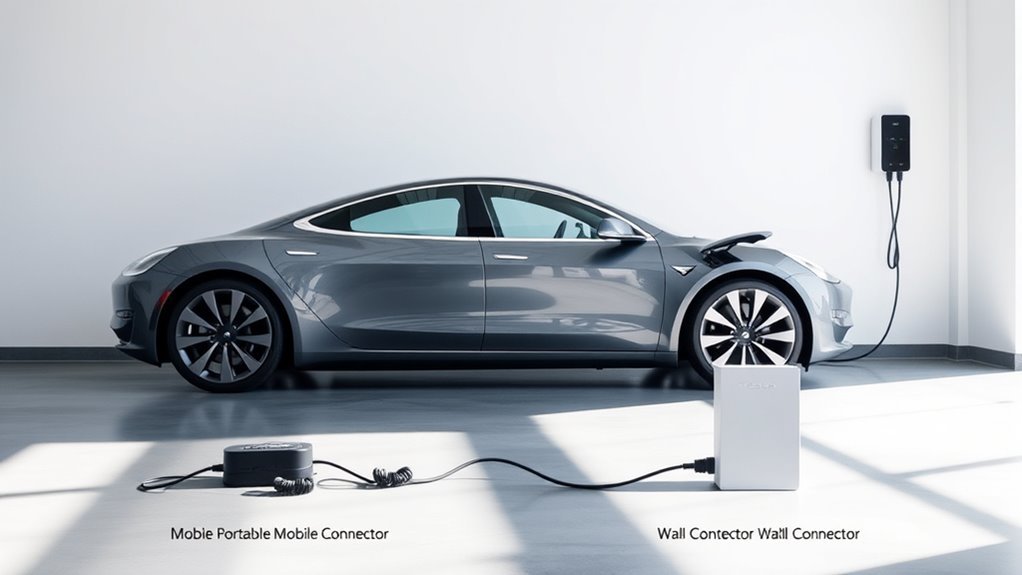
The Wall Connector provides the fastest home charging speeds and highest energy efficiency for daily drivers. The Mobile Connector offers essential portability for travel and emergency use. Most owners choose the Wall Connector for their primary home charging station and keep a Mobile Connector in the trunk for trips.
Deciding how to charge your Tesla often comes down to your daily driving habits and home setup. While one device focuses on speed and permanent efficiency, the other offers freedom and adaptability. This guide explains exactly how to match these charging tools with your lifestyle.
Key Takeaways
- The Wall Connector supports faster charging up to 48 amps for quick home top-ups.
- The Mobile Connector provides portability, allowing you to charge from various wall outlets while traveling.
- Installation costs for a hardwired Wall Connector range from $500 to $2,500 depending on home electrical complexity.
- High efficiency in the Wall Connector reduces long-term energy waste compared to using a standard wall outlet.
- Many Tesla owners maintain both devices to handle both home charging needs and road trip requirements.
Understanding the Tesla Mobile and Wall Connectors
Choosing between these two tools requires balancing speed against convenience. The Mobile Connector is a versatile kit that works with standard 120V household outlets and 240V industrial outlets.
It serves as an excellent backup for travel or emergency situations where you cannot access a dedicated charging station. However, it charges at lower rates, usually limited to 32 amps or less, depending on the adapter.
The Wall Connector acts as a permanent, dedicated charging station installed in your garage or driveway. It delivers higher power, which saves time for drivers who have long commutes or multiple electric vehicles to charge.
Charging Speed Performance
The Wall Connector consistently outperforms the Mobile Connector in raw power delivery. Because it hardwires directly into your home electrical system, it provides a stable and fast current.
The Wall Connector can reach 48 amps, which adds about 44 miles of range per hour. In contrast, the Mobile Connector usually hits 32 amps on a 240V outlet, adding roughly 30 miles of range per hour.
Charging speed remains a primary factor for owners who need a full battery every morning. If you rely on your vehicle for heavy daily use, the speed of the Wall Connector offers a distinct advantage.
Charging Speed Comparison
The following table outlines the performance difference you can expect based on your chosen hardware. These figures assume an optimal 240V power source.
| Connector | Amperage | Range Per Hour |
|---|---|---|
| Wall Connector | 48 amps | 44 miles |
| Mobile Connector | 32 amps | 30 miles |
Amperage and Home Power Limits
The maximum charging speed of your setup often depends on your home electrical panel capacity. While the Wall Connector can push 48 amps, your home must have a circuit breaker that supports this level of power.
Always check your home panel capacity with a licensed electrician before installing a Wall Connector. Older homes may require panel upgrades to safely accommodate the high amperage required for the fastest charge times.
Ideal Use Cases
- Commuters: Use a Wall Connector for reliable, fast charging every night.
- Road Trippers: Keep a Mobile Connector in your trunk to handle charging at hotels or campgrounds.
- Emergency Readiness: Store the Mobile Connector at home to ensure you have a backup if your primary unit fails.
- Occasional Drivers: Use a standard Mobile Connector if your daily mileage is low and you only need a slow top-up overnight.
Installation Costs and Requirements
Installing a Tesla charging solution involves more than just buying the device. A Wall Connector requires a dedicated circuit and a licensed electrician for professional hardwiring.
Expect to pay between $500 and $2,500 for a Wall Connector installation, depending on how far your garage is from your electrical panel. Longer wire runs and conduit installation significantly increase these costs.
A NEMA 14-50 outlet for the Mobile Connector is generally cheaper to install, ranging from $300 to $800. This setup gives you flexibility but requires more frequent plugging and unplugging, which can cause outlet wear over several years.
Long-Term Efficiency and Savings
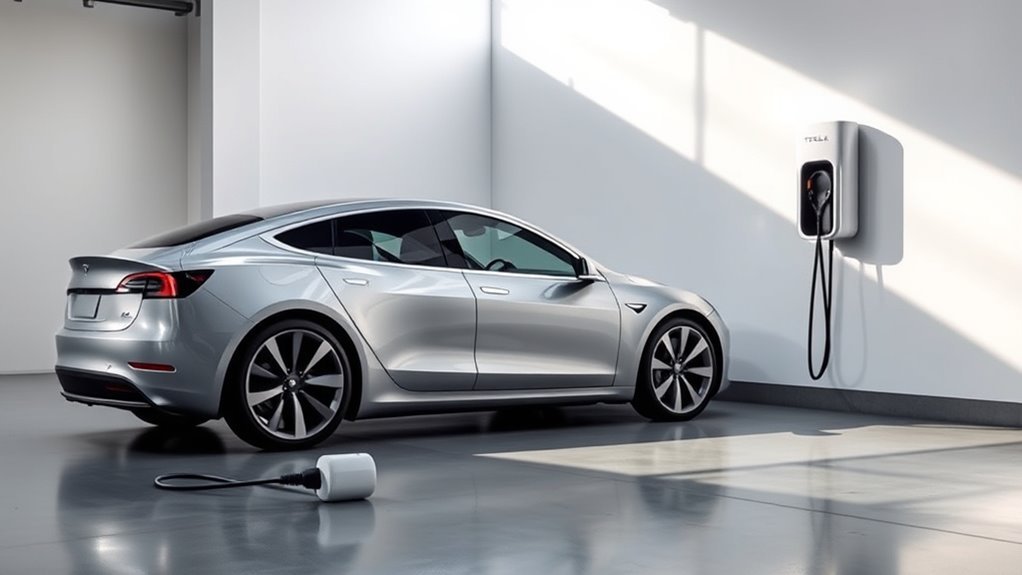
Efficiency matters when you charge your vehicle daily. The Wall Connector is designed to minimize energy loss during the AC-to-DC conversion process.
Lower-voltage charging, such as using a 120V outlet with the Mobile Connector, can result in 20% to 25% energy waste. The Wall Connector operates at 240V with significantly higher efficiency, which lowers your monthly electric bill.
Over the lifespan of your Tesla, these small energy savings add up to hundreds of dollars. The investment in a permanent Wall Connector often pays for itself through reduced energy consumption.
Pros and Cons
Both devices offer unique benefits depending on your specific needs. Understanding these trade-offs helps you avoid unnecessary expenses.
Wall Connector Advantages
- Speed: Provides the fastest possible residential charging rates.
- Reliability: Reduces the stress placed on your home electrical outlets by using a hardwired connection.
- Features: Includes smart functionality like Wi-Fi updates and power sharing between multiple Tesla vehicles.
Mobile Connector Benefits
- Portability: Fits easily into your trunk for trips, camping, or visiting friends and family.
- Compatibility: Works with a variety of adapters for different outlet types.
- Budget: Costs less upfront than a dedicated wall-mounted charging station.
Maintenance and Safety
Safe operation requires regular visual checks. Inspect your cables for cracks or fraying before every use. Never use a cable that shows signs of exposed wiring or internal damage.
Keep charging ports clean and free of dirt or road debris. A small amount of compressed air works well to clear out dust without damaging the pins.
Always verify your installation meets local electrical codes. If you notice your outlet or plug feels hot to the touch while charging, stop immediately and contact a professional. Always consult a qualified professional before making decisions based on this information.
Frequently Asked Questions
What is the primary advantage of a Wall Connector over a Mobile Connector?
The Wall Connector offers superior efficiency and higher charging speeds. It minimizes energy waste and provides a faster, more reliable daily charging experience compared to the portable unit.
How much faster is a Wall Connector?
The Wall Connector can reach 48 amps, adding roughly 44 miles of range per hour. This speed is significantly higher than the 20 to 32 amps usually provided by the Mobile Connector.
Which Tesla charger fits my lifestyle?
If you commute long distances daily, the Wall Connector is the better choice for your home. If you travel frequently, the Mobile Connector ensures you have a reliable way to charge on the go.
What is the best outlet for the Mobile Connector?
The NEMA 14-50 outlet remains the standard choice for the Mobile Connector. It provides the highest available power for the portable unit, ensuring a faster charge than a standard 120V household wall outlet.
Conclusion
Choosing the right charging solution ensures your Tesla remains ready for every journey. The Wall Connector offers the speed and efficiency needed for daily use, while the Mobile Connector provides peace of mind on the road. Evaluate your daily range requirements and your home budget to select the best fit for your situation. Installing a reliable charging setup is the most important step in owning an electric vehicle.







Leave a Reply