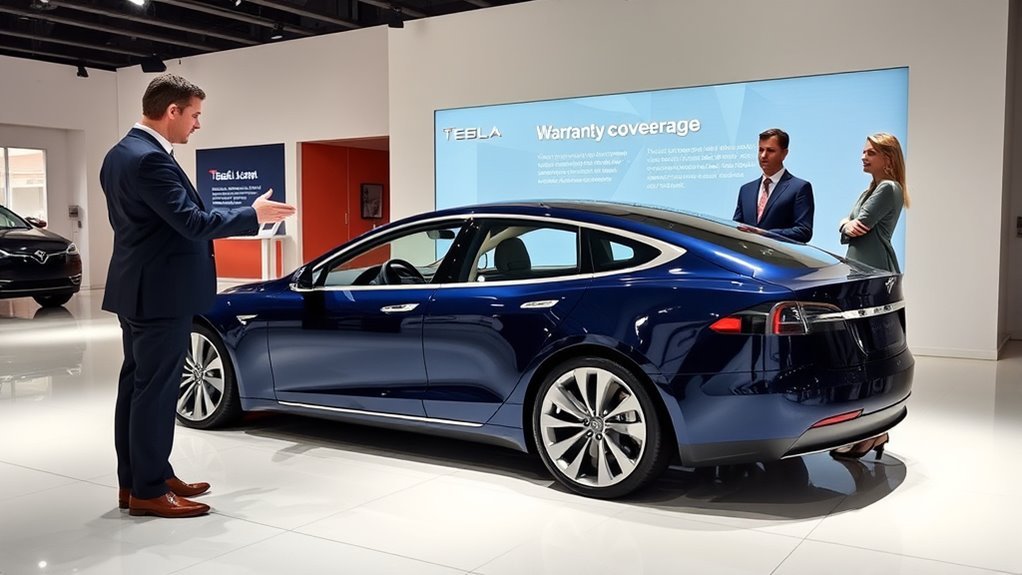
Quick Answer
Tesla provides a 4-year or 50,000-mile New Vehicle Limited Warranty for parts and workmanship. The Battery and Drive Unit Warranty lasts 8 years with mileage limits ranging from 100,000 to 150,000 miles depending on the model. Both warranties are transferable to subsequent owners, which helps maintain resale value.
Ownership of a Tesla brings high-tech features and impressive performance, but unexpected repairs can threaten your peace of mind. Knowing exactly what your manufacturer coverage includes protects you from significant out-of-pocket costs. This guide breaks down your warranty details to ensure you remain prepared for any service needs.
What Does Tesla’s New Vehicle Limited Warranty Cover?
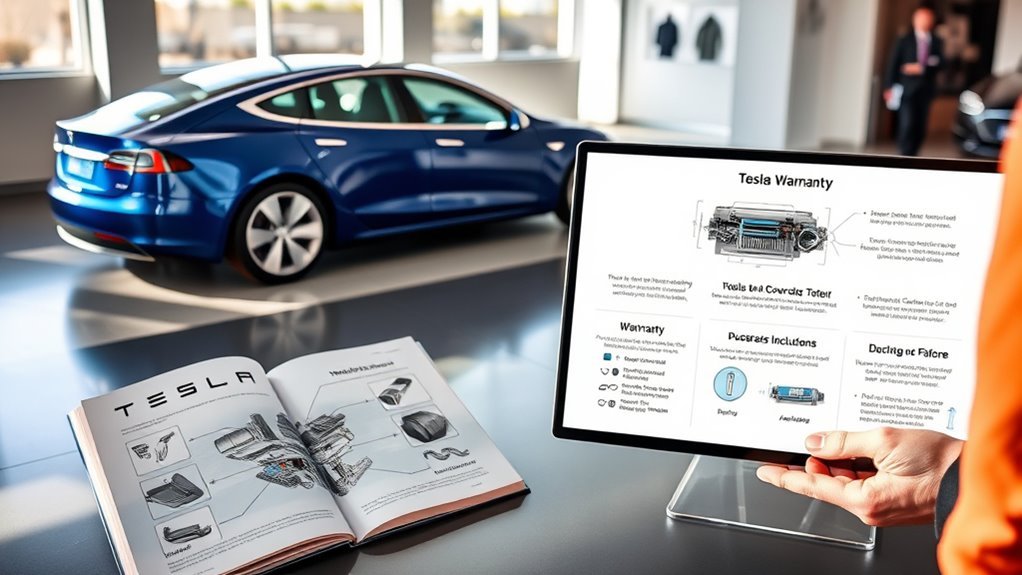
The New Vehicle Limited Warranty safeguards your purchase against defects in materials and workmanship. It covers your vehicle for 4 years or 50,000 miles, whichever comes first.
This protection includes major components such as the touchscreen display, climate control systems, and steering hardware. It shields you from the financial burden of premature hardware failures during the early years of ownership.
The warranty does not cover damages caused by road accidents, misuse, or neglected maintenance. Keeping your vehicle in good shape remains your responsibility to ensure you stay eligible for coverage.
One primary benefit is the transferability of the warranty. If you decide to sell your vehicle before the 4-year mark, the remaining coverage passes to the new owner, which often helps you secure a higher resale price.
Understanding Tesla’s Battery and Drive Unit Warranty
The Battery and Drive Unit Warranty provides long-term peace of mind for the most expensive parts of your car. This coverage lasts for 8 years, though mileage limits differ based on your specific model.
Tesla guarantees a minimum battery capacity retention of 70 percent during the warranty period. If your battery capacity drops below this level due to degradation, the company will replace the unit at no cost to you.
Battery replacements are expensive, often costing between $10,000 and $25,000 out of pocket. This warranty prevents you from facing these massive expenses if the battery fails early.
Exclusions exist for damage caused by fire, flooding, or unauthorized service attempts. Always consult a qualified professional before making decisions based on this information.
Common Warranty Issues and Their Coverage
Some Tesla owners experience specific mechanical or electrical issues depending on their vehicle model. Knowing these common concerns helps you track your vehicle performance during the warranty window.
Model X owners sometimes report issues with the media control unit, drive shafts, and rear door seals. If you notice these symptoms, bring your vehicle to an authorized service center for an inspection.
Model Y owners occasionally report panel alignment issues or heat pump malfunctions. Because these represent assembly or design flaws, the standard warranty usually covers these repairs.
If you drive a Model Y, look for signs of panel misalignment or cooling system issues during your first few months of ownership.
Model 3 and Model S owners may face minor paint imperfections or battery performance irregularities. Address any concerns early while you have active warranty protection.
Key Differences in Warranty Coverage Across Tesla Models
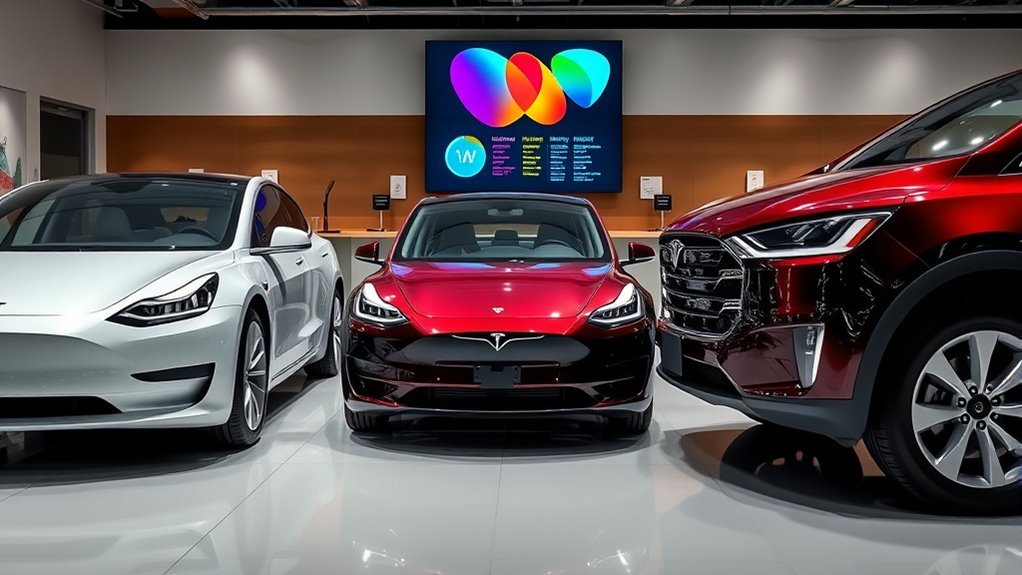
Warranty terms for the battery and drive unit change based on your car model. The Model S and Model X currently receive the most extensive protection.
The Model S and Model X offer an 8-year warranty with a 150,000-mile limit. In contrast, the Model 3 and Model Y have shorter mileage caps for their battery warranties.
Battery Warranty Variations
Knowing your exact mileage limit determines when your protection ends. The Model 3 Standard Range has a 100,000-mile limit, while the Long Range and Performance versions extend to 120,000 miles.
The Model Y aligns with the Model 3 Long Range, covering up to 120,000 miles. Regardless of the mileage cap, all models receive the 70 percent capacity retention guarantee for the full 8 years.
Coverage Duration Differences
While the basic vehicle coverage remains consistent at 4 years or 50,000 miles across the lineup, the drivetrain differences matter for long-term owners. If you drive more than 15,000 miles per year, your warranty will reach its mileage limit before the time limit expires.
Evaluate your annual driving habits when selecting a vehicle to ensure your warranty duration aligns with your lifestyle.
Filing a Warranty Claim: Step-by-Step Guide for Tesla Owners
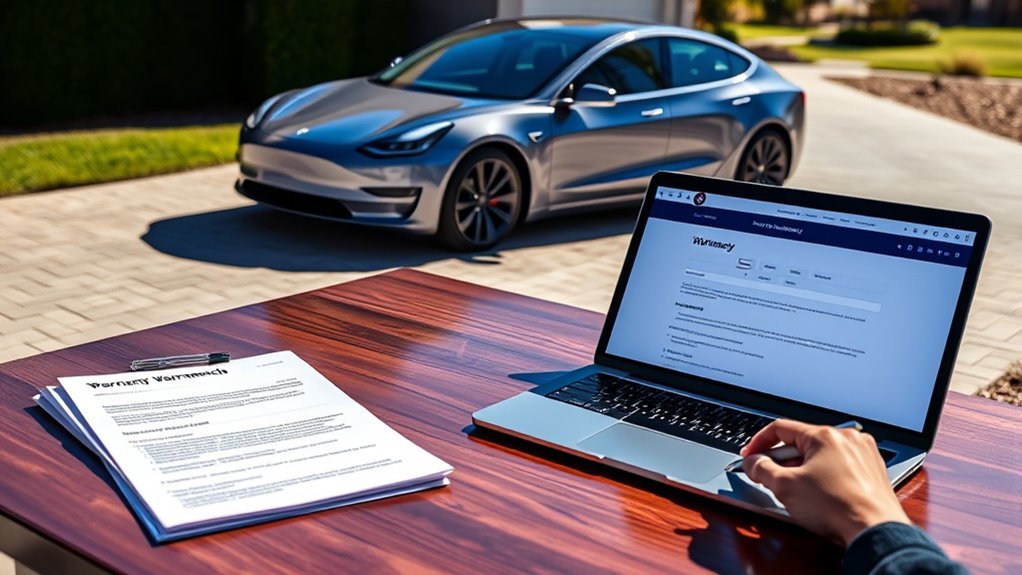
Submitting a claim requires clear communication and evidence. Follow these steps to ensure a fast review of your request.
Prepare Required Documentation
Gather your vehicle identification number (VIN) and current mileage before you contact support. Take clear photos or videos of any physical defects or warning lights on your dashboard.
Keep a digital file of your service history. If you previously tried to fix the issue, include those records to help the technician identify the root cause quickly.
Submit Claim Online
Log into your Tesla mobile app or website account to initiate the process. Navigate to the “Service” section and describe your issue with as much detail as possible.
- Select the specific component causing the issue.
- Upload your photos or documents to the portal.
- Choose an appointment date at an authorized service center.
- Monitor the status updates through the app dashboard.
Key Details of Tesla’s Extended Service Agreements
If you plan to keep your vehicle beyond the factory warranty, you might consider an Extended Service Agreement (ESA). This contract adds 2 to 4 years of coverage, though it specifically targets manufacturing defects.
The ESA does not cover routine wear and tear items like tires, brake pads, or wipers. It also excludes battery and drivetrain components already covered by the longer 8-year warranty.
Costs depend on your model, ranging from roughly $1,800 to $3,500. For used vehicles, Tesla offers a shorter extension of 1 year or 10,000 miles to provide a buffer for new owners.
What Voids Your Tesla Warranty?
Certain actions can cancel your warranty protection. Making unauthorized hardware or software modifications ranks as the most common reason for denied claims.
Using non-certified technicians for complex repairs can also void your coverage. Always use authorized centers to ensure your work meets manufacturer standards.
Hard driving, such as racing or off-road use, falls outside standard coverage terms. Additionally, environmental damage from natural disasters usually requires your own insurance policy rather than a manufacturer warranty.
Maintenance Tips to Keep Your Tesla Warranty Valid
Reliable maintenance keeps your warranty active. Follow the recommended service intervals outlined in your owner manual.
- Schedule visits at authorized Tesla service centers only.
- Use certified original parts for all necessary replacements.
- Store copies of all invoices and digital service records.
- Follow the battery charging guidelines in the owner manual.
Frequently Asked Questions About Tesla Warranty Coverage
What should you know about Tesla warranty coverage? The basic warranty protects you for 4 years or 50,000 miles, while the battery coverage extends much further. Both warranties follow the vehicle, which helps maintain value when you sell it to a new owner.
Always verify your specific model coverage in your Tesla account. If you need more protection, the Extended Service Agreement remains a viable option for manufacturing defect coverage.
Frequently Asked Questions
What Is Included in the Tesla Basic Warranty?
The basic warranty covers material and workmanship defects for 4 years or 50,000 miles. It includes electronics, suspension parts, and interior hardware, but it excludes routine maintenance and accident damage.
What Is Not Covered by Tesla Warranty?
The warranty does not cover tires, brake pads, or other wear-and-tear items. It also excludes any damage resulting from collisions, environmental hazards, or unauthorized vehicle modifications.
What Does the Tesla Extended Warranty Not Cover?
The Extended Service Agreement excludes battery degradation, drivetrain components, and regular wear items. It strictly provides extra protection against unexpected manufacturing defects for additional years.
What Are the Things Covered in Warranty?
Your warranty covers mechanical and electrical malfunctions that occur during normal operation. This includes core systems like the infotainment screen, the battery pack, and the electric motor, provided the vehicle has not been modified.
Conclusion
Understanding your Tesla warranty allows you to protect your investment and anticipate potential service needs. Focus on keeping your service records organized and utilizing authorized service centers for every repair. Following these steps ensures your vehicle remains reliable and fully covered throughout your ownership.






Leave a Reply