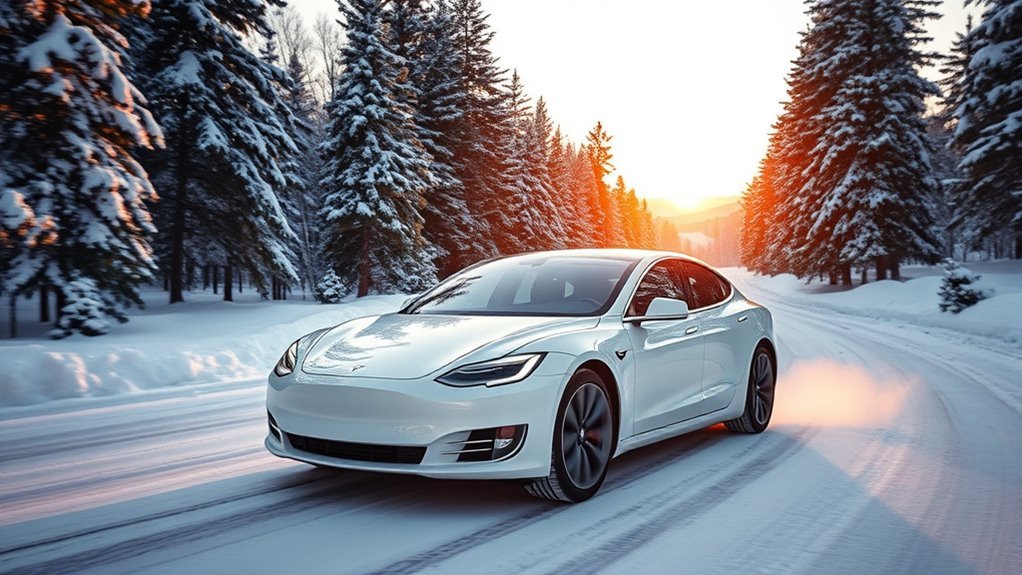
Cold weather often creates anxiety for electric vehicle owners, but you can retain more battery range with a few simple adjustments. Preconditioning your car while it remains plugged in stands as the most effective way to start your journey with an efficient battery. Use this guide to manage your energy consumption and maintain your Tesla’s performance throughout the winter season.
Quick Answer
To maximize range in cold weather, precondition your Tesla while plugged in to warm the battery, inflate your tires to the recommended pressure, and use seat heaters instead of the cabin heater. Reducing your driving speed slightly and planning charging stops strategically also helps preserve battery life in freezing temperatures.
Key Takeaways
- Precondition your Tesla while plugged in to warm the battery and cabin before departure.
- Prioritize seat heaters over the main cabin heater to lower energy draw.
- Check tire pressure often, as cold air causes it to drop and increases drag.
- Drive smoothly and reduce highway speeds by 10-15 mph to save energy.
- Charge to 100% before long trips and plan stops to keep the battery warm.
How Cold Weather Affects Your Tesla Range
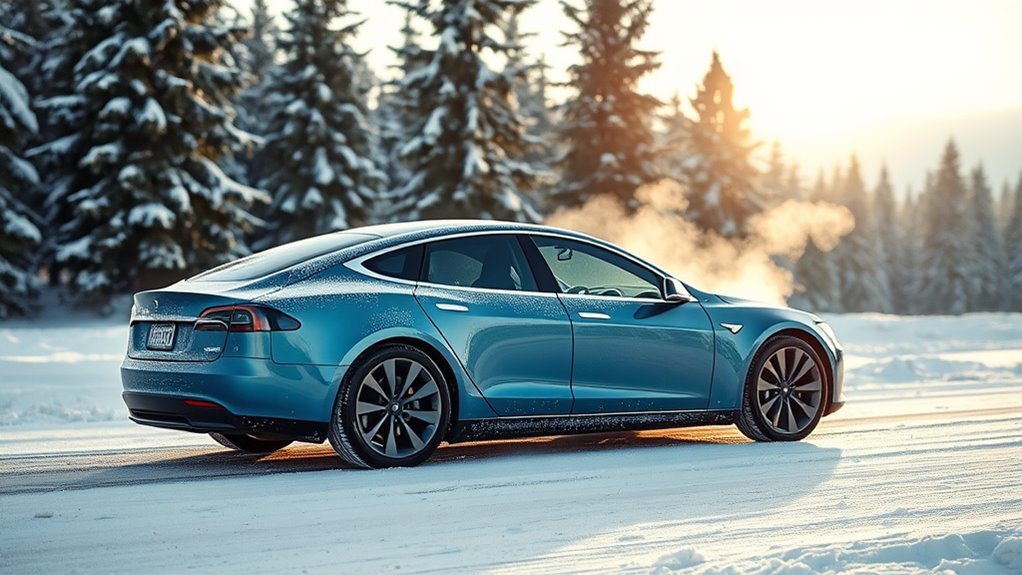
Cold temperatures impact your Tesla by reducing battery efficiency and increasing energy consumption. Denser cold air creates more aerodynamic drag, forcing the motor to work harder to maintain speed.
Heating the cabin requires significant power, often drawing 2-6 kWh of energy. Meanwhile, cold batteries experience higher internal resistance, which lowers total output and limits available range.
Prepare Your Tesla for Winter Driving
Preparation helps you avoid range anxiety during the winter months. Start by setting your departure time using the scheduled departure feature within the Tesla app. This ensures the vehicle warms the cabin and battery while drawing power from your home charger instead of the battery pack.
Cold air causes tire pressure to drop, which increases rolling resistance and lowers efficiency. Check your tire PSI at least once a month during winter. Keep extra supplies in your car, such as a portable charger and a snow brush, to stay ready for unexpected delays.
Drive Efficiently in Winter Conditions
Efficiency relies on smooth inputs rather than aggressive acceleration. Rapid starts force the battery to discharge energy quickly, which is less efficient in cold conditions. Maintain a steady speed, as fluctuating speed requires frequent energy-intensive adjustments.
| Strategy | Benefits |
|---|---|
| Smooth Acceleration | Enhances energy conservation |
| Steady Speed | Reduces energy demands |
| Use Seat Heaters | Conserves battery power |
| Precondition While Plugged In | Optimizes performance |
Using seat heaters creates a localized heat source, which allows you to set the main cabin heater to a lower temperature. This simple change preserves significant range during longer drives. Always consult a qualified professional if you notice unusual battery drain during normal driving conditions.
Essential Maintenance for Cold Weather
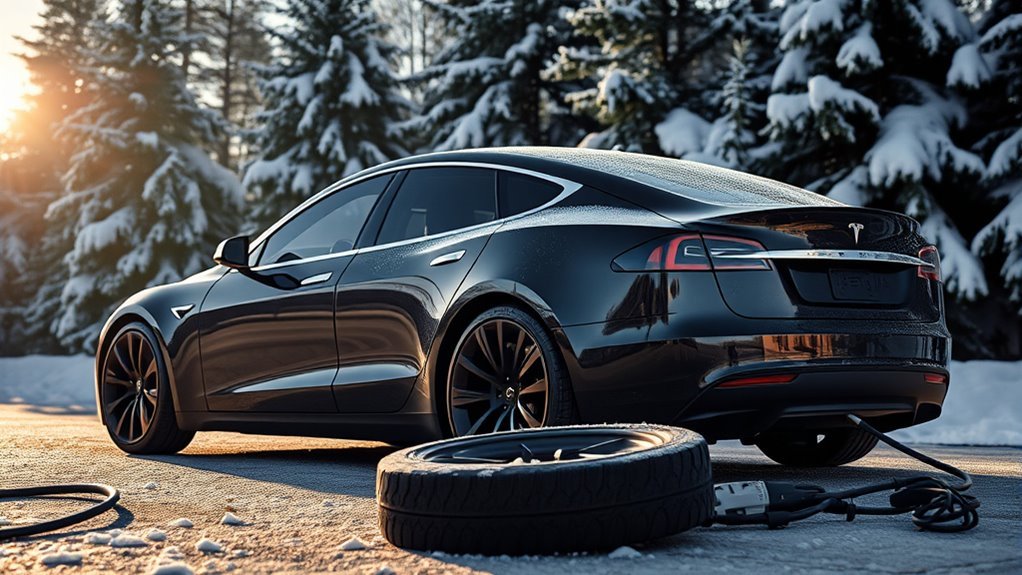
Regular maintenance ensures your vehicle handles freezing temperatures safely. Winter tires remain flexible in the cold, providing better grip than standard all-season tires on ice and snow.
Protect your door seals with a rubber seal conditioner to prevent them from freezing shut. Use Wiper Service Mode to keep your wipers from sticking to the windshield during snowstorms. Keep your vehicle software updated, as Tesla frequently releases improvements for battery thermal management.
Smart Charging for Long Winter Journeys
Smart charging habits protect your battery health during the winter. Charge your vehicle to 100% just before leaving for a long trip. Frequent charging while at home keeps the battery warm, which is vital for efficient operation.
Use the built-in navigation to plan your charging stops. The car will automatically precondition the battery as you approach the charger, resulting in faster charge times. Monitor your energy usage through the in-car app to see how your speed and climate settings affect your remaining range.
Frequently Asked Questions
How do I maximize Tesla range in winter?
Precondition the battery while plugged in, keep tires inflated, and use seat heaters instead of the cabin heater. These steps minimize energy drain and keep the battery at an optimal temperature.
Does cold weather affect Tesla range?
Yes, cold weather decreases range because batteries are less efficient in the cold. Increased aerodynamic drag and the energy required to heat the cabin also contribute to lower efficiency.
How can I prevent battery loss when parked overnight?
Keep your car plugged in, if possible, to allow the system to manage thermal regulation. Limit features like Sentry Mode, which draws energy from the battery while the car sits idle.
What is the best way to drive a Tesla in snow?
Use Chill Mode to provide smoother acceleration and better traction control. Reduce your speed to maintain stability and give yourself more time to react to icy patches.
Conclusion
Preparing your Tesla for winter allows you to maintain efficiency and enjoy your drives regardless of the temperature. Apply these maintenance and charging strategies to protect your battery and maximize your range. Start by preconditioning your vehicle today to see an immediate improvement in your winter driving experience.



Leave a Reply