
When your Toyota Aqua won’t start, check the 12-volt battery first. It should read around 12.6 volts. Inspect the battery connections for corrosion and make sure they’re tight. Next, confirm there’s adequate fuel by checking the gauge and looking over the fuel system for clogs or leaks. Listen for clicking sounds, which may point to starter motor problems. If you’re still stuck, further diagnosis may be needed to uncover deeper issues affecting your vehicle.
Quick Answer
- Battery first: A weak or dead 12V battery is the most common reason a Toyota Aqua won’t start. Use a multimeter to check voltage (healthy = ~12.6V).
- Key fob: A dead key fob battery can prevent your Aqua from recognizing the key. Try replacing the fob battery or holding it near the start button.
- Starter motor: Clicking sounds when you turn the ignition often signal a failing starter or a weak battery connection.
- Fuel system: An empty tank, clogged filter, or faulty fuel pump can all prevent starting. Check the gauge and listen for the fuel pump when turning the ignition on.
- When in doubt: Persistent dashboard warning lights or error codes mean it’s time for a professional diagnosis, especially with hybrid-specific systems.
How to Diagnose Starting Issues in Your Toyota Aqua

When diagnosing starting issues in your Toyota Aqua, start with the right tools and a step-by-step approach.
Use a diagnostic tool (OBD2 scanner) to check for error codes. These can reveal underlying problems with the hybrid system. Next, verify that your 12-volt battery isn’t dead or weak. A healthy battery should read around 12.6 volts. Remember to press the brake pedal to confirm the vehicle can enter “Ready” mode.
Inspect all fuses, particularly those related to the engine and ECU. Blown fuses can prevent starting entirely. If your dashboard lights up with no response except for the Check Engine Light, focus on potential ignition switch malfunctions or immobilizer issues. These may need professional diagnosis.
Finally, consider a faulty fuel pump if everything else checks out. A failing pump can also stop your Aqua from starting.
How to Check Your 12V Battery Health
Checking the health of your 12V battery is one of the most important steps in troubleshooting starting issues with your Toyota Aqua.
Start by using a multimeter to measure the battery voltage. A healthy battery should read around 12.6 volts when fully charged and at rest. If the voltage drops below 12.4 volts, you likely have a weak battery that may struggle to start your vehicle. For a detailed walkthrough on testing car batteries with a multimeter, Haynes Manuals has a helpful guide.
Use a multimeter to check your battery voltage; healthy batteries read around 12.6 volts when fully charged.
Inspect the battery terminals for corrosion or loose connections. These can block electrical flow. Make sure the vehicle is off during this check.
If you still have issues after a jump-start, consider having the battery load tested. A clicking sound when trying to start your Aqua often signals a dead or weak battery, not a starter motor fault.
Regular checks can help you avoid surprise starting issues and keep your driving experience hassle-free.
Troubleshooting Key Fob and Immobilizer System Issues
If your Toyota Aqua won’t start, don’t overlook the key fob or immobilizer system. A faulty key fob can prevent the vehicle from recognizing the key. You’ll often see a “Key Not Detected” message on the dashboard.
Start by replacing the key fob battery. This is one of the most common fixes. If that doesn’t solve the problem, try holding the key fob close to the start button. This can sometimes provide temporary functionality if the fob is weak.
Should the key fob still fail to work, reprogramming or replacement may be necessary. A malfunctioning immobilizer system could also be at fault. In that case, professional diagnosis and potential reprogramming might be required to restore normal operation.
Testing Your Starter Motor and Alternator
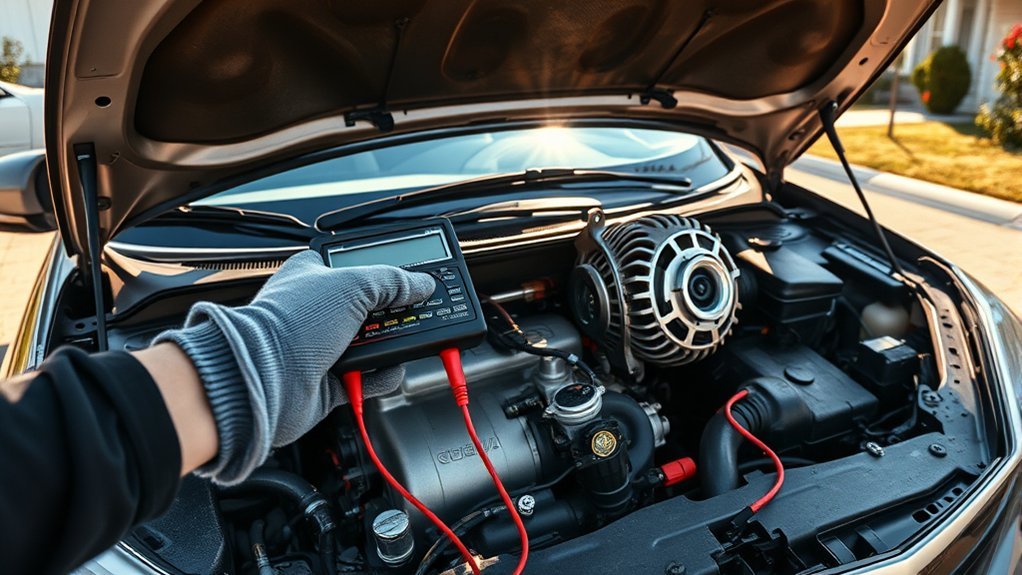
When your Toyota Aqua won’t start, it’s worth testing the starter motor and alternator for potential failures.
Listen for clicking sounds when you turn the ignition. This often indicates starter issues. You should also measure the alternator’s output voltage to make sure it’s charging the battery properly.
Understanding how these components work can help you pinpoint the problem and avoid unnecessary repairs.
Signs of Starter Failure
The starter motor is responsible for cranking the engine. If you hear clicking sounds (a single click or rapid clicks), that’s a clear sign it’s not functioning correctly.
This could come from loose connections in the ignition circuit or battery. If the dashboard lights dim when you attempt to start the vehicle, that could also point to electrical problems related to the starter motor.
If you notice grinding noises or the starter fails to engage at all, it’s time to consider a replacement. Regular checks can help keep your starter motor running smoothly.
Testing Alternator Output Voltage
A faulty starter motor often points to issues that can stem from the alternator as well.
Start by testing alternator output voltage with a multimeter set to DC voltage. Connect the positive lead to the battery’s positive terminal and the negative lead to the negative terminal. While the engine runs, you should see a voltage reading between 13.8 and 14.4 volts. If it drops below 13 volts during engine revs, your alternator might be failing.
Proper alternator function is essential for charging the battery. A bad alternator can leave you with a dead battery, even if the battery itself is new.
Regular inspection of these components is important for reliable performance.
Common Starter Motor Issues
Starting issues often stem from the starter motor or alternator. Identifying common problems with these components is important.
A failing starter motor typically produces a clicking sound or no response when you engage the ignition. This means it’s not cranking the engine. To test the starter motor, use a multimeter to check if it’s receiving power. If it is but still fails to function, replacement may be necessary.
The alternator plays a key role in charging the battery while the engine runs. A faulty alternator can lead to starting issues and a drained battery, even if the battery is new. Symptoms of a bad alternator include dimming headlights and electrical system failures.
Regular inspections will help maintain these critical components.
Diagnosing Fuel System Issues in Your Toyota Aqua
To diagnose fuel system issues in your Toyota Aqua, start by inspecting fuel delivery components.
Check the fuel gauge to make sure there’s adequate fuel. Then assess the fuel filter and pump for blockages or failures.
Addressing common problems like clogged filters or faulty pumps can prevent starting difficulties and improve overall performance.
Fuel Delivery Inspection Steps
First, check the fuel gauge to confirm there’s sufficient fuel. An empty tank is an easy thing to overlook.
Next, inspect the fuel lines for leaks or blockages that could stop fuel from reaching the engine.
Examine the fuel filter for clogs. A dirty filter restricts flow and leads to starting issues.
Listen for the fuel pump when you turn on the ignition. A malfunctioning pump won’t provide the necessary pressure.
If problems persist, conduct a fuel pressure test to confirm the system delivers the correct pressure to the injectors.
Common Fuel System Problems
Fuel system problems show up in various ways and often lead to starting issues in your Toyota Aqua. An empty gas tank is a common culprit, so always check your fuel gauge first.
If the tank’s fine, examine the fuel filter. Clogs can severely restrict fuel flow and prevent your car from starting. Poor fuel quality can also cause engine performance issues, including starting failures.
Inspect the fuel lines for leaks or blockages. These can block the delivery of fuel to the engine. If you notice the engine cranking without starting, you may need a professional to check the fuel injectors or fuel pump.
Addressing these issues quickly helps keep your Toyota Aqua running smoothly.
Hybrid System Tips for the Toyota Aqua
The Toyota Aqua is a hybrid, so a few extra considerations apply beyond what you’d check on a standard car.
The Aqua uses a high-voltage hybrid battery pack in addition to the 12V auxiliary battery. If the hybrid battery is severely depleted or has a fault, the vehicle may refuse to enter “Ready” mode. Dashboard warnings related to the hybrid system, such as a “Check Hybrid System” message, typically require a professional scan tool for proper diagnosis.
Keep in mind that the 12V battery in a hybrid doesn’t crank the engine the way it does in a conventional car. Instead, it powers the onboard computers and electronics. The high-voltage battery and motor/generator handle engine cranking. So even a slightly weak 12V battery can prevent startup, since the computers need adequate voltage to boot up and initiate the start sequence.
If your Aqua has been sitting unused for more than two weeks, the 12V battery may have drained. Toyota recommends driving your hybrid regularly to maintain both battery systems. For a broader overview of Toyota-specific starting problems across hybrids and conventional models, the Toyota Parts Center troubleshooting guide is a useful reference.
When to Consult a Mechanic for Your Toyota Aqua
Consult a mechanic for your Toyota Aqua if you experience starting issues, warning lights, or unusual sounds indicating potential underlying problems.
If your car won’t start, start by checking the 12-volt battery. If it’s weak or dead, it’s time to consult a mechanic for professional testing and possible replacement.
Keep an eye on persistent dashboard warning lights or error codes. These may signal underlying hybrid system or electrical issues that require expert diagnosis.
If you hear clicking sounds when trying to start, this could mean a failing starter motor or a weak battery. A mechanic can assess this accurately.
If the engine cranks but won’t start, fuel delivery issues could be at play. A mechanic can perform fuel pressure tests and inspect the fuel system.
With complex electronic systems like the immobilizer, it’s best to seek a mechanic experienced with hybrid vehicles. This helps avoid further complications.
Don’t wait too long. Your safety and vehicle performance depend on it.
Frequently Asked Questions
Why Is My Toyota Aqua Hybrid Car Not Starting?
Your Toyota Aqua hybrid might not start due to battery issues, electrical problems, a starter malfunction, or fuel system failures. Check the battery’s charge, starter connections, and verify adequate fuel is present for ignition.
Why Does My Toyota Have Power but Won’t Start?
When your Toyota has power but won’t start, it’s often a matter of battery issues, starter problems, fuel delivery failures, or ignition system malfunctions. Troubleshoot these areas to get your car back on the road.
What Is the First Thing to Check When a Car Won’t Start?
When your car won’t start, check the battery health first. Make sure it’s fully charged, inspect the fuel level, and examine the ignition system and starter motor for any faults that could prevent starting.
What Does It Mean When a Hybrid Says Check Charging System?
When your hybrid displays a “Check Charging System” warning light, it signals potential hybrid battery issues. Prioritize an electrical system check and make sure the charging system is properly maintained to avoid further complications and performance issues.
Conclusion
Think of your Toyota Aqua as a puzzle where each component is a piece that must fit perfectly. When one piece falters, whether it’s the battery, starter, or fuel system, the whole picture stays incomplete. By systematically diagnosing each aspect, you can find the path to resolution. If the pieces still don’t align, don’t hesitate to consult a mechanic. Sometimes expert guidance is the key to getting your Aqua back on the road.







Leave a Reply