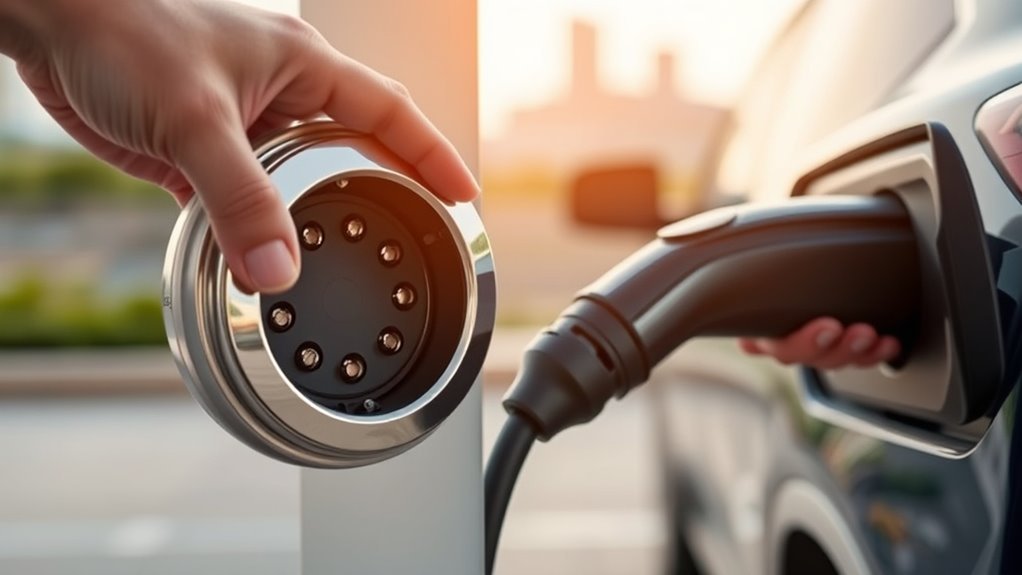
The Type 2 EV charging socket is the standard connector for electric vehicles in Europe, supporting AC charging with outputs up to 43 kW. It guarantees compatibility with most EV models, including major brands. To maximize efficiency, confirm your vehicle matches the Type 2 socket specifications and use a 240V circuit for quicker charging. Regularly inspect your cables and utilize smart features for peak performance. Discover more about troubleshooting and future trends in charging technology.
What Is the Type 2 EV Charging Socket and How Does It Work?
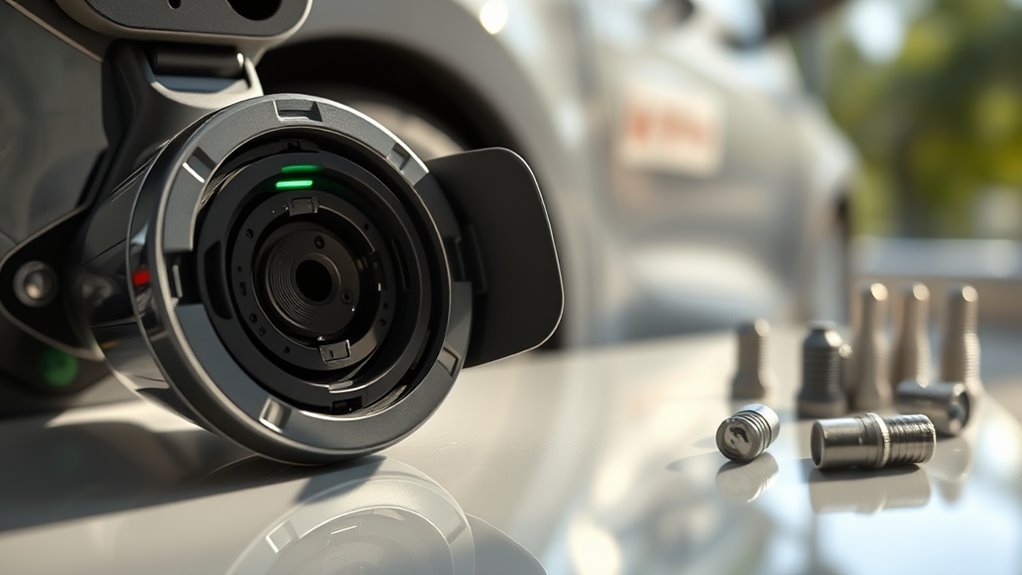
The Type 2 EV charging socket, commonly known as the Mennekes connector, is a critical component for electric vehicle (EV) charging in Europe.
The Type 2 EV charging socket, or Mennekes connector, is essential for electric vehicle charging across Europe.
It features seven pins and adheres to Type 2 specifications, making it the standard for AC charging, with power outputs reaching up to 43 kW. You can charge your EV at rates between 3 kW and 50 kW, thanks to its capability for both single-phase and three-phase charging.
This versatility guarantees compatibility with various EV models, including those from popular manufacturers like BMW and Volkswagen.
Charging safety is paramount, and the Type 2 connector includes an automatic locking mechanism. This feature secures the connection during charging, preventing accidental disconnection and guaranteeing a safe charging experience.
Key Features of the Type 2 Connector Enhancing Charging Efficiency
While charging your electric vehicle, understanding the key features of the Type 2 connector can greatly enhance your charging efficiency. This connector, standardized in Europe, offers several advantages that cater to diverse charging needs.
- Versatile Charging: Supports both AC and DC charging.
- Power Output: Delivers up to 43 kW, accommodating a range of 3-50 kW.
- Safety Features: Automatic locking mechanism guarantees secure connections during charging.
- Adaptability: Compatible with both single-phase (up to 32A) and three-phase (up to 63A) systems.
- Interoperability: Works with IEC 62196 Type 1 (SAE J1772), enhancing compatibility across different EV models.
Compatibility of Type 2 Connectors With Electric Vehicles: Key Points
Understanding the compatibility of Type 2 connectors with electric vehicles (EVs) is crucial for maximizing your charging options.
The Type 2 connector, or Mennekes, is widely adopted across Europe and is compatible with a majority of EV brands, including BMW, Audi, and Volkswagen. It features seven pins, supporting both single-phase and three-phase AC charging, with power outputs reaching up to 22 kW for Level 2 charging.
This standardized connector, compliant with IEC 62196-2, guarantees interoperability among various models, allowing many EVs to charge at speeds between 3.7 kW and 22 kW. As a result, you’ll enjoy considerably shorter charging times compared to lower-rated connectors.
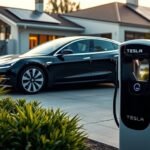
Remarkably, Tesla vehicles in Europe also utilize Type 2 connectors for AC charging, providing seamless access to public charging networks while offering adapters for non-Tesla stations.
Embracing Type 2 compatibility broadens your EV charging possibilities.
How to Maximize Efficiency When Charging With Type 2 Connectors
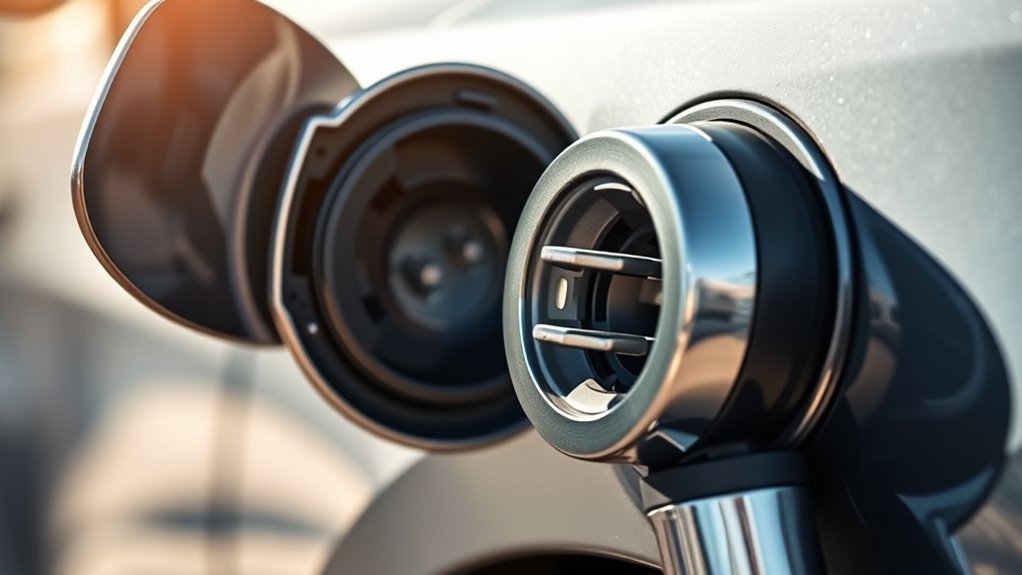
Maximizing efficiency when charging with Type 2 connectors involves a few key practices.
By adopting these habits, you can enhance your charging experience and achieve significant energy savings:
- Confirm your EV is compatible with Type 2 connectors for peak performance.
- Use a charging station on a 240V circuit to achieve faster charging speeds, providing up to 75 miles of range per hour.
- Regularly check and maintain your charging cable and connector to secure a solid connection.
- Leverage smart charging features to schedule charging during off-peak hours, reducing electricity costs.
- Monitor your vehicle’s onboard charger capacity; remember, a higher capacity means faster charging.
Why Do EV Owners Love Using Type 2 Charging Stations?
Many EV owners love using Type 2 charging stations because they offer unmatched versatility and efficiency.
These chargers support both single-phase and three-phase charging, making them compatible with a wide range of electric vehicles across Europe. With a maximum output of 43 kW, you can gain an impressive 10-75 miles of range per hour, dramatically cutting down your charging time compared to Level 1 options.
The user experience is enhanced by the automatic locking mechanism in Type 2 connectors, ensuring a secure connection that prevents accidental disconnection during charging.
The automatic locking mechanism in Type 2 connectors secures your connection, eliminating the risk of disconnection during charging.
Plus, Type 2 stations are conveniently located in public areas like shopping centers and workplaces, allowing you to charge while going about your day.
This growing network of Type 2 charging stations contributes to reliable access, providing significant charging benefits that many EV owners appreciate.
Embracing this infrastructure means you can enjoy a more liberated electric vehicle lifestyle.
Troubleshooting Common Type 2 Charging Problems
When you encounter issues with a Type 2 charging station, it’s essential to troubleshoot effectively to get back on the road.
Start by checking these key areas:
- Confirm the charging cable is securely connected to both the vehicle and the charger.
- Look for any error messages on the charging station display; they can guide your troubleshooting.
- Verify that your vehicle’s battery isn’t already fully charged, as this can prevent charging.
- Check if the charging station is receiving power; a tripped circuit breaker or outage can render it inoperable.
If problems persist, consult your EV manufacturer’s user manual or contact customer support for assistance.
Following these steps can help you identify and resolve common Type 2 charging problems, guaranteeing a smoother charging experience and keeping you on the move.
Future Trends in Type 2 Charging Technology
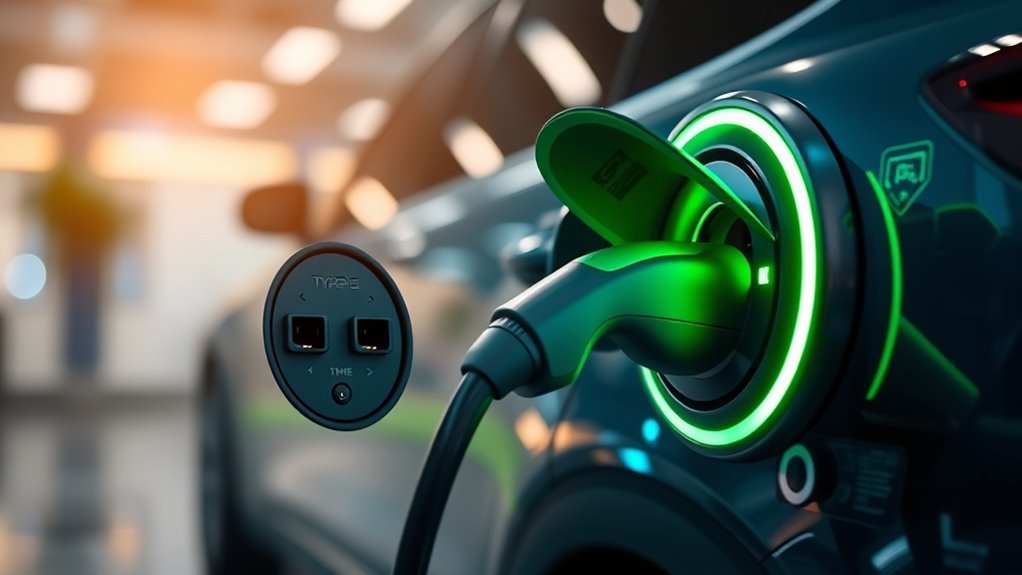
As Type 2 charging technology evolves, you’re likely to see enhanced charging speeds that greatly reduce your wait times.
The push for universal connector standardization will also streamline your charging experience, making it easier to find compatible stations across Europe.
These advancements are set to transform the landscape of electric vehicle charging, benefiting both users and manufacturers alike.
Enhanced Charging Speeds
How can enhanced charging speeds revolutionize the electric vehicle experience?
With advancements in Type 2 charging technology, you can expect significant improvements in convenience and efficiency. As charging infrastructure evolves, the potential for faster charging becomes a reality, allowing you to travel farther with less downtime.
Here are some key benefits:
- Charging rates up to 43 kW for quick top-ups.
- CCS Combo 2 technology enabling DC fast charging up to 350 kW.
- Future connectors potentially offering up to 900 kW.
- Smart charging optimizing energy management based on demand.
- Faster charging cycles as battery technology advances.
These innovations not only reduce charging times but also enhance the practicality of electric vehicles for everyday use, liberating your travel experience.
Universal Connector Standardization
While the push for universal connector standardization is gaining momentum, the Type 2 connector has emerged as the leading charging interface in Europe, with full compliance expected by 2025.
This evolution in connectors aims to achieve universal compatibility, simplifying your charging experience. You’ll benefit from accessing a diverse range of charging stations without juggling multiple adapters.
The CCS Combo 2 variant enhances this with DC fast charging capabilities up to 350 kW, boosting efficiency.
The European Commission’s endorsement of the Type 2 connector is pivotal for promoting interoperability among various EV manufacturers and networks.
Looking ahead, global collaboration is set to further standardize connectors, ensuring seamless integration across regions and types of electric vehicles, liberating you from charging hassles.
Frequently Asked Questions
Is a Type 2 Charger Compatible With All EVS?
A Type 2 charger isn’t universally compatible with all EVs. While it meets many EV charging standards in Europe, some models, especially from North America, may need adapters to connect effectively. Always check your vehicle’s specifications.
What Is a Type 2 EV Charging Socket?
A Type 2 EV charging socket is a widely used plug type in Europe, supporting various charging standards. It features seven pins for safe, reliable AC charging and accommodates both single-phase and three-phase power supplies.
What Is the Protocol for Type 2 Connector?
The Type 2 connector follows specific type 2 standards, ensuring efficient communication between the vehicle and charger. This protocol enhances charging efficiency, allowing for ideal power delivery tailored to different electric vehicle models and charging conditions.
Are All Level 2 EV Chargers the Same?
Not all Level 2 EV chargers are created equal; their efficiency varies wildly. You must consider installation requirements and guarantee compatibility with your vehicle to maximize charging speed and experience the liberation of electric driving.
Conclusion
To sum up, the Type 2 EV charging socket is essential for enhancing your electric vehicle experience. With over 80% of EVs in Europe equipped with Type 2 connectors, it’s clear they’re becoming the standard. By understanding compatibility and efficiency tips, you can optimize your charging sessions and enjoy the benefits of quicker, more reliable power. As technology advances, expect even greater improvements in charging infrastructure, making your EV journey smoother than ever.






Leave a Reply