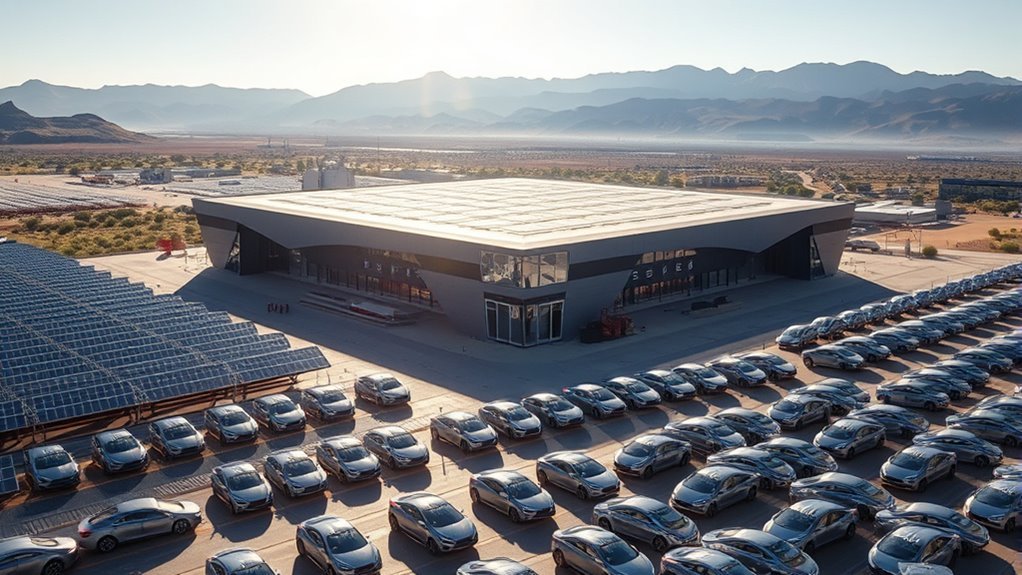
Tesla cars originate from four major manufacturing hubs: Fremont, Shanghai, Berlin, and Austin. Each facility serves a strategic regional purpose, from balancing global supply chains to meeting local market demands for specific models. Understanding these locations helps buyers grasp how Tesla manages production capacity and vehicle availability.
Quick Answer
Tesla manufactures vehicles in the United States, China, and Germany to serve regional markets efficiently. The company operates the Fremont Factory and Gigafactory Texas in the U.S., Gigafactory Shanghai in China, and Gigafactory Berlin in Europe. This global network allows Tesla to reduce logistics costs, shorten delivery times, and scale production to meet rising demand.
Key Takeaways
- Tesla operates major manufacturing facilities in Fremont, Shanghai, Berlin, and Austin to serve global markets.
- The Fremont Factory functions as Tesla’s original large-scale plant and produces the Model S, Model X, Model 3, and Model Y.
- Gigafactory Shanghai produces Model 3 and Model Y vehicles for both Chinese domestic demand and global exports.
- Gigafactory Berlin targets a production capacity of up to 500,000 vehicles annually for the European market.
- Gigafactory Texas produces the Model Y and the Cybertruck while housing the company’s global corporate headquarters.
Overview of Tesla’s Global Manufacturing Hubs
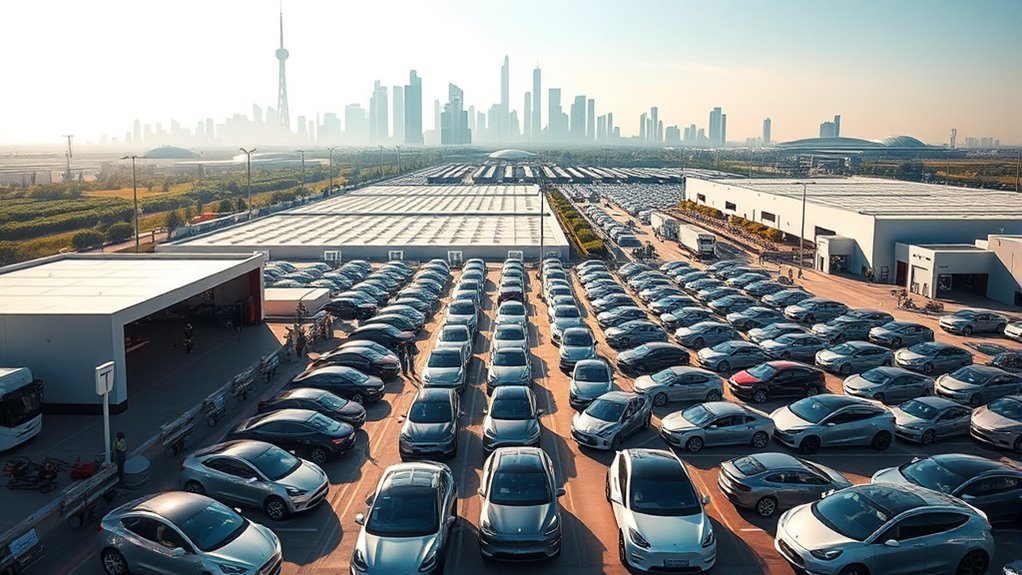
Tesla’s network of manufacturing hubs sits at the heart of its strategy to lead the electric vehicle market. By operating facilities across three continents, the company strengthens its supply chain and boosts production efficiency in target regions.
The Fremont Factory in California originated as a joint venture between General Motors and Toyota. Tesla acquired the site in 2010, and the first Model S production vehicles began leaving the assembly line in 2012. Today, the facility manufactures the Model S, Model X, Model 3, and Model Y.
Gigafactory Shanghai ranks as one of Tesla’s highest-volume production sites. It produces the Model 3 and Model Y, supporting both domestic Chinese sales and international exports. This strategic location helps Tesla lower logistics expenses and improve delivery speeds across Asia and parts of Europe.
Tesla’s Fremont Factory set the foundation, while Gigafactory Shanghai drives high-volume global production.
In Germany, Gigafactory Berlin focuses on the Model Y for the European market. This location allows Tesla to rely less on imports and provides European customers with shorter delivery windows.
Gigafactory Texas in Austin produces the Model Y and the Cybertruck. It serves as Tesla’s global headquarters following the company’s relocation from California. You can learn more about that move in this CNBC report on Tesla’s headquarters relocation.
For a broader and regularly updated overview of all Tesla facilities, including battery and energy sites, see the Wikipedia list of Tesla factories.
How Gigafactory Shanghai Supports Global Strategy
Gigafactory Shanghai plays a critical role in Tesla’s global operations. Opened in 2019, it was the company’s first major factory outside the United States. It produces Model 3 and Model Y vehicles.
The facility has grown into one of Tesla’s largest production centers. Its high annual output helps meet strong demand in China, which remains one of the largest electric vehicle markets worldwide.
By manufacturing locally, Tesla reduces shipping costs and delivery times. This approach also enhances supply chain stability. The factory works closely with local suppliers, which supports cost-efficient production.
The Role of the Fremont Factory in Production
The Fremont Factory remains a cornerstone of Tesla’s operations. It was the first major manufacturing plant and continues to build the Model S, Model X, Model 3, and Model Y.
Recent reports indicate the facility employs about 20,000 workers. Its scale supports large production volumes while maintaining Tesla’s engineering standards.
Fremont has introduced advanced manufacturing upgrades, such as single-piece casting processes. These reduce the number of parts needed and improve overall efficiency.
| Feature | Details | Impact |
|---|---|---|
| Size | About 5.5 million square feet | Supports large-scale production |
| Employment | 20,000+ employees | Boosts local economy |
| Production Models | Model S, Model X, Model 3, Model Y | Diversifies offerings |
| Upgrades | Single-piece casting | Improves efficiency |
How Gigafactory Berlin and Texas Expand Capacity
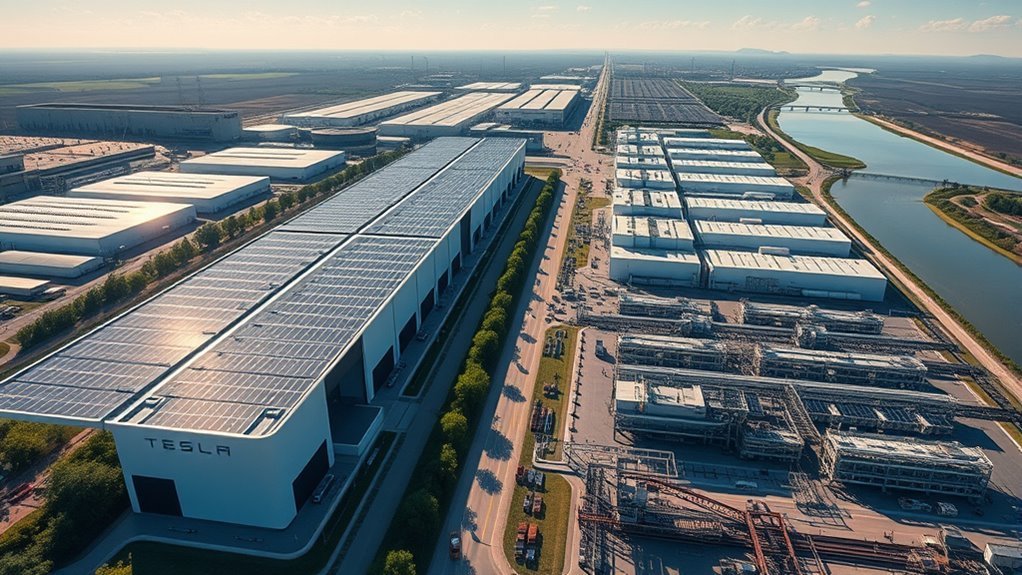
Gigafactory Berlin and Gigafactory Texas significantly strengthen Tesla’s global production capacity.
Berlin began delivering vehicles in 2022 and focuses on the Model Y for Europe. Its projected annual capacity of up to 500,000 vehicles allows Tesla to serve European customers faster without heavy reliance on imports.
Gigafactory Texas in Austin produces the Model Y and the Cybertruck. It is designed for future expansion and advanced manufacturing processes, including large single-piece structural castings integrated with battery packs.
Together, these factories improve supply chain efficiency and reduce transportation costs. They are essential to Tesla’s effort to meet rising global demand for electric vehicles.
Why Factory Locations Matter for EV Buyers
The location of Tesla’s factories directly influences the buyer experience. Regional production means shorter shipping distances and faster delivery timelines.
For example, Gigafactory Shanghai increases supply for Asia, while Berlin serves European customers. In the United States, Fremont and Austin handle domestic demand.
This global footprint helps Tesla adapt to local market needs. It also strengthens production stability and lowers logistics costs. For buyers, this often translates to better availability and more predictable delivery dates.
Frequently Asked Questions
Are Teslas made in China?
Yes, some Tesla vehicles come from China. Gigafactory Shanghai builds Model 3 and Model Y units for the Chinese market and specific export regions. However, Tesla also manufactures vehicles in the United States and Germany.
Are Tesla vehicles American-made?
Many Tesla vehicles are American-made. Fremont and Gigafactory Texas produce vehicles for the U.S. market. Other models come from overseas depending on the specific region.
Is Tesla still building a plant in Mexico?
Tesla has announced plans for a factory in Mexico to expand its production footprint. The facility is intended to support next-generation vehicle production and further strengthen North American operations.
Does Tesla manufacture in India?
No, Tesla does not currently manufacture in India. Local sales would rely on imports at this time. Future production has been discussed but is not confirmed.
Final Thoughts
Tesla’s factories in Fremont, Shanghai, Berlin, and Texas form the backbone of its global manufacturing system. Each location plays a specific role in supporting high-volume production, regional demand, and long-term corporate growth. By scaling your understanding of these facilities, you can better appreciate how Tesla maintains its position in the electric vehicle industry.







Leave a Reply