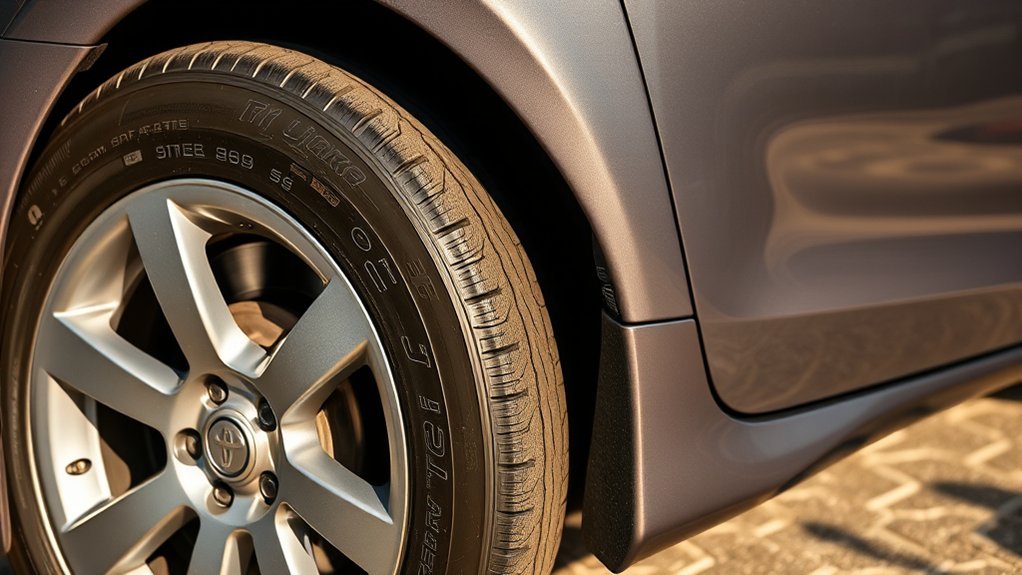
For your Toyota Sienna, it’s essential to maintain the right tire pressure. The recommended PSI is 35 for the front tires and 33 for the rear tires. Keeping these pressures optimized guarantees better safety, performance, and fuel efficiency. Regular checks will help you avoid uneven tire wear and improve handling. Stay tuned for tips on how to accurately check your tire pressure and adjust it according to load and driving conditions.
Understanding Why Tire Pressure Matters for Your Toyota Sienna
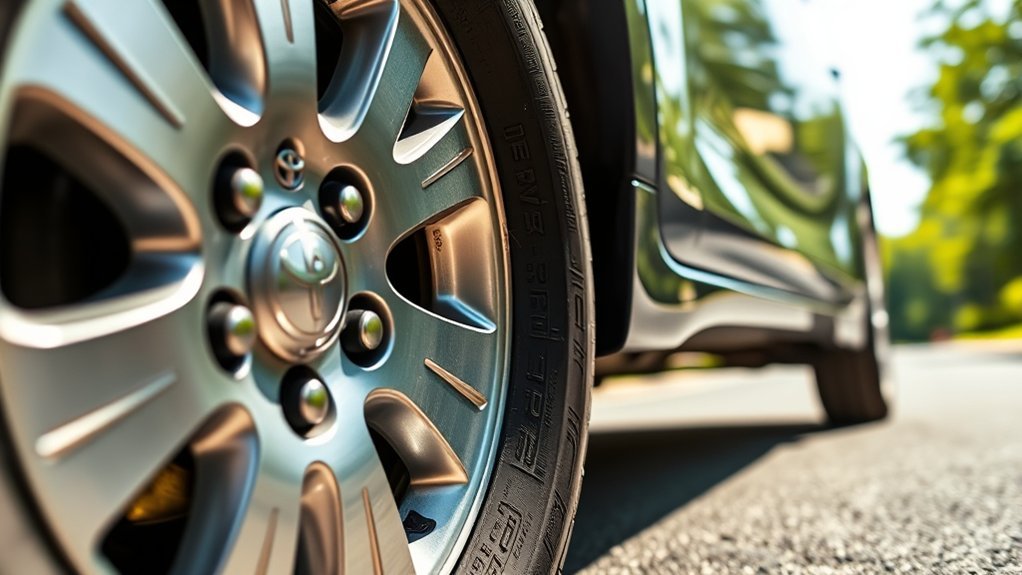
Understanding the importance of tire pressure for your Toyota Sienna is crucial for maintaining safety and performance. Maintaining the correct tire pressure directly influences fuel efficiency, tire longevity, and your vehicle’s handling.
Under-inflated tires can cause increased wear, reduced traction, and longer braking distances, compromising your safety. Conversely, over-inflated tires lead to a harsher ride and uneven wear, both of which detract from an enjoyable driving experience.
Under-inflated tires increase wear and reduce traction, while over-inflated tires create a harsh ride and uneven wear.
To guarantee peak performance, check your tire pressure regularly, ideally when the tires are cold. Temperature fluctuations can affect pressure, so it’s essential to stay vigilant.
Utilizing the Toyota app or your vehicle’s tire pressure monitoring system (TPMS) enables you to track your tire pressure effectively while on the road. By prioritizing the correct tire pressure, you empower yourself to drive confidently, knowing that you’re enhancing both safety and performance in your Sienna.
Recommended Front and Rear Tire Pressure for Toyota Sienna
Maintaining the correct tire pressure is essential for your Toyota Sienna‘s performance and safety. For ideal handling and tire longevity, you should set the front tires to a PSI recommendation of 35 and the rear tires to 33 PSI.
Deviating from these figures can lead to uneven tire wear and adversely affect your vehicle’s braking performance. To guarantee accurate readings, check your tire pressure when the tires are cold, as heat can artificially inflate the pressure.
Utilizing the Toyota app can enhance your experience by allowing you to monitor the last recorded tire pressure values conveniently. Keeping your Sienna’s tires at the recommended PSI not only promotes safety but also enhances fuel efficiency and overall driving comfort.
How to Check Your Toyota Sienna Tire Pressure Accurately
To guarantee your Toyota Sienna operates at its best, checking tire pressure accurately is key. Start by purchasing a reliable pressure gauge from discount or auto parts stores.
Before you check tire pressure, make sure your tires are cold for the most accurate results, as heat from driving can skew the readings.
Unscrew the valve cap from the tire’s valve stem, then press the gauge firmly onto the stem to get a reading. For your Toyota Sienna, the recommended tire pressure is 35 PSI for the front tires and 33 PSI for the rear.
After obtaining the readings, compare them with the recommended values. If adjustments are necessary, inflate or deflate accordingly.
Finally, don’t forget to replace the valve cap to keep dirt and moisture out. Regularly checking your tire pressure will enhance performance and prolong tire life, making sure a smooth drive.
How Incorrect Tire Pressure Affects Performance and Safety
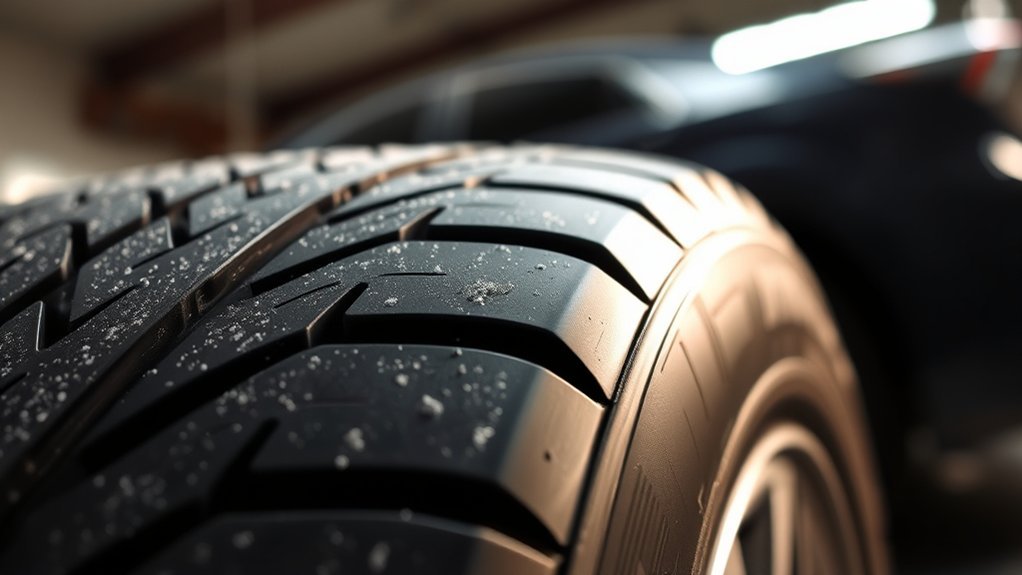
While driving your Toyota Sienna, incorrect tire pressure can severely compromise both performance and safety.
If your tires are under-inflated, you’ll experience excessive wear on the outer edges, reducing tire longevity. Conversely, over-inflated tires lead to central tread wear, impacting grip and control.
Deviating from the recommended 35 PSI for the front and 33 PSI for the rear can also hinder traction, resulting in longer braking distances and decreased ride comfort. Higher pressures create a harsher ride, while lower pressures may give a squishy feel that diminishes handling.
Additionally, temperature fluctuations can greatly alter tire pressure, further affecting performance and safety. Regularly checking and adjusting your tire pressure is crucial to guarantee peak fuel efficiency and maintain overall vehicle stability.
Prioritizing proper tire pressure not only enhances your driving experience but also safeguards your well-being on the road.
How to Adjust Tire Pressure Based on Load and Conditions
Adjusting your Toyota Sienna’s tire pressure based on load and driving conditions is essential for peak performance and safety.
Adjusting your Toyota Sienna’s tire pressure is crucial for optimal performance and safety on every journey.
When your vehicle is unloaded, set the front tires to 35 PSI and the rear tires to 33 PSI. If you’re carrying heavy loads or towing, increase the tire pressure slightly above these recommended levels to enhance load capacity and reduce tire wear.
Regularly monitor your tire pressure, as temperature fluctuations can impact readings. Always check the pressure when the tires are cold for accurate results; driving heats them up, leading to inflated readings.
If you notice excessive tire wear or handling issues, consult the tire sidewall for maximum pressure ratings specific to your tire model.
Adjusting tire pressure appropriately guarantees your Sienna performs at its best, giving you the freedom to enjoy every journey safely.
Troubleshooting Common Tire Pressure Monitoring System Issues
When you notice warning signs from your Tire Pressure Monitoring System (TPMS), it’s essential to address them promptly.
A blinking TPMS light often signals that a sensor needs replacement, while a steady light after correcting tire pressure may require a system reset.
Understanding these common issues can help you maintain peak performance and safety in your Toyota Sienna.
Common TPMS Warning Signs
Understanding the common warning signs of the Tire Pressure Monitoring System (TPMS) in your Toyota Sienna is vital for maintaining ideal driving performance.
If you notice the TPMS light illuminated, it’s important to check your tire pressure manually, as this warning indicates that one or more tires may be below the recommended levels—typically 35 PSI for front tires and 33 PSI for rear tires.
A blinking TPMS light suggests a potential need for sensor replacement, as these sensors can wear out over time.
If your tire pressures are confirmed to be within range but the light remains on, it could indicate a malfunctioning sensor or that the system needs recalibration.
Regular maintenance guarantees your TPMS effectively monitors tire pressure.
Sensor Replacement Procedures
Replacing a faulty TPMS sensor in your Toyota Sienna is vital for maintaining accurate tire pressure readings.
Start by checking your tire pressures; if they’re correct but the warning light blinks continuously, you’ll likely need a sensor replacement.
Remember, TPMS sensors typically last 5-10 years, so regular maintenance is key.
For ideal performance and compatibility, opt for genuine OEM TPMS sensors during the replacement process.
After installing the new sensor, it’s important to reset the system.
You can do this using a diagnostic tool or by following the specific instructions outlined in your owner’s manual.
Tips for Keeping Your Tire Pressure Optimal
To keep your tire pressure ideal, regularly check it, especially when your tires are cold.
Temperature changes can affect pressure readings, so adjust accordingly to maintain the recommended levels.
Monitoring tire pressure consistently guarantees safety and performance for your Toyota Sienna.
Regular Pressure Checks
While regular tire pressure checks might seem tedious, they’re essential for guaranteeing your Toyota Sienna performs safely and efficiently.
Check your tire pressures at least once a month and before long trips. Use a reliable pressure gauge to measure cold tire pressure, as heat can lead to inflated readings that don’t reflect true values.
The recommended tire pressure is 35 PSI for the front tires and 33 PSI for the rear, balancing comfort and durability.
To stay proactive, monitor tire pressures using the Toyota app, which shows the last recorded values.
Always refer to your owner’s manual for specific guidelines and verify your tires are in prime condition for a safer driving experience.
Adjust for Temperature Changes
Temperature fluctuations can greatly impact tire pressure, making it crucial to adjust your Toyota Sienna‘s tires accordingly. A drop in temperature can reduce tire pressure by about 1 PSI for every 10°F decrease.
To guarantee an accurate reading, check your tire pressure in the morning when the tires are cold. Conversely, rising temperatures can increase tire pressure, possibly exceeding the recommended 35 PSI.
Keep an eye on this to maintain ideal performance. Regularly using a reliable tire pressure gauge will help you monitor these changes effectively.
Always refer to the owner’s manual or the sticker on the driver’s side door jamb for the correct PSI recommendations based on current ambient temperature conditions.
When to Seek Professional Help for Tire Pressure Concerns
When should you consider seeking professional help for tire pressure concerns?
If your Toyota Sienna’s TPMS light is blinking, it signals a potential sensor issue that requires professional assistance.
Additionally, if you notice uneven tire wear, it may indicate alignment or suspension problems that need expert evaluation.
Don’t hesitate to consult a tire professional if you’re unsure about the appropriate PSI for your specific tire model or load requirements.
Experiencing unusual handling or vibrations while driving? It’s vital to have your tire pressure and overall tire condition assessed by a qualified technician.
Finally, for guidance on adjusting tire pressure due to ambient temperature changes or when carrying heavy loads, seek help from tire experts.
They can provide tailored recommendations to guarantee your safety and vehicle performance.
Prioritizing these checks can liberate you from potential hazards on the road.
Frequently Asked Questions
What Is the Correct Tire Pressure for a Toyota Sienna?
For your Toyota Sienna, maintain the front tire pressure at 35 PSI and the rear at 33 PSI. Proper tire pressure enhances driving safety, improves handling, and promotes tire longevity, ensuring a smoother ride.
Is 40 Psi Good Tire Pressure for a Toyota?
Using 40 PSI for your Toyota might seem beneficial, but it can compromise vehicle safety by reducing tire contact with the road. Stick to the manufacturer’s recommended tire pressure for peak performance and safety.
Should I Run 35 or 40 Psi for Tires?
You should run 35 PSI for ideal tire wear and fuel efficiency. While 40 PSI might offer a firmer ride, it risks uneven wear and reduced grip. Always check pressure when tires are cold for accuracy.
Should Your Front and Back Tires Be the Same Psi?
No, your front and back tires shouldn’t have the same psi. For ideal tire maintenance and pressure monitoring, make sure you follow manufacturer specifications. This helps enhance handling, stability, and tire longevity while improving fuel efficiency.
Conclusion
In the journey of maintaining your Toyota Sienna, tire pressure is the compass guiding you toward safety and performance. Just as a well-calibrated compass guarantees you stay on course, adhering to the recommended psi keeps your vehicle balanced and efficient. Regular checks and adjustments in response to changing conditions symbolize your commitment to safety. When you treat your tires with care, you’re not just enhancing performance; you’re also paving the way for a smoother, more reliable ride.







Leave a Reply